

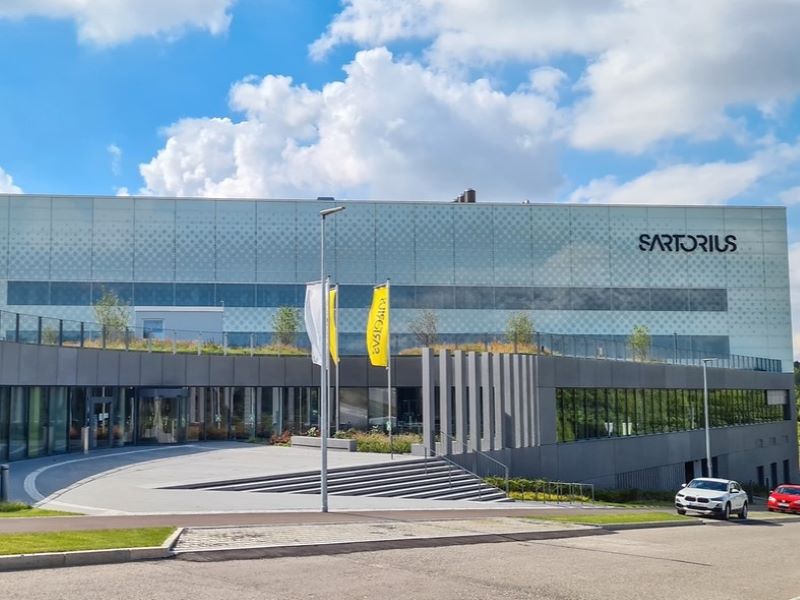
German biopharmaceutical and life sciences company Sartorius Stedim Cellca’s cell culture technology centre is located in Ulm, Germany. Sartorius Stedim Cellca is a subsidiary of Sartorius Stedim Biotech.
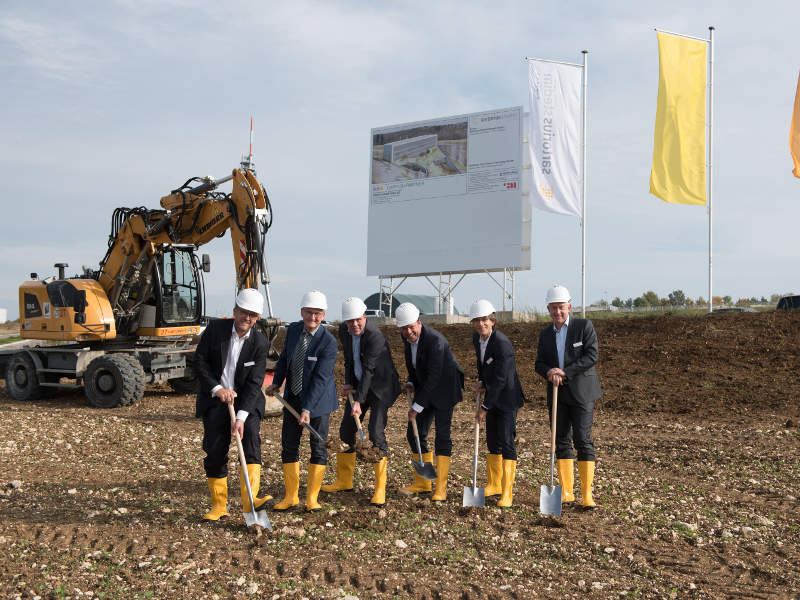
In September 2017, the company held a groundbreaking ceremony for the facility to mark the start of construction. The facility was built with an investment of around €30m ($35.2m).
Recommended White Papers
Recommended Buyers Guides

Opened in November 2021, the facility operates with 120 employees.
Location of Sartorius’ cell culture facility
Sartorius Stedim Cellca’s cell culture technology centre is located in Science Park III between Stuttgart and Munich on land bought by Sartorius in November 2016. It is accessible via different transportation routes.
The company operated from a rented building in Laupheim with 90 employees before moving to the Ulm centre.
Moving Sartorius Stedim Cellca’s operations to this facility made it easier and more convenient for international customers to visit the company.
The relocation also places the cell culture technology centre closer to universities and research institutes in the vicinity of Ulm.
Details and purpose of the cell culture technology centre
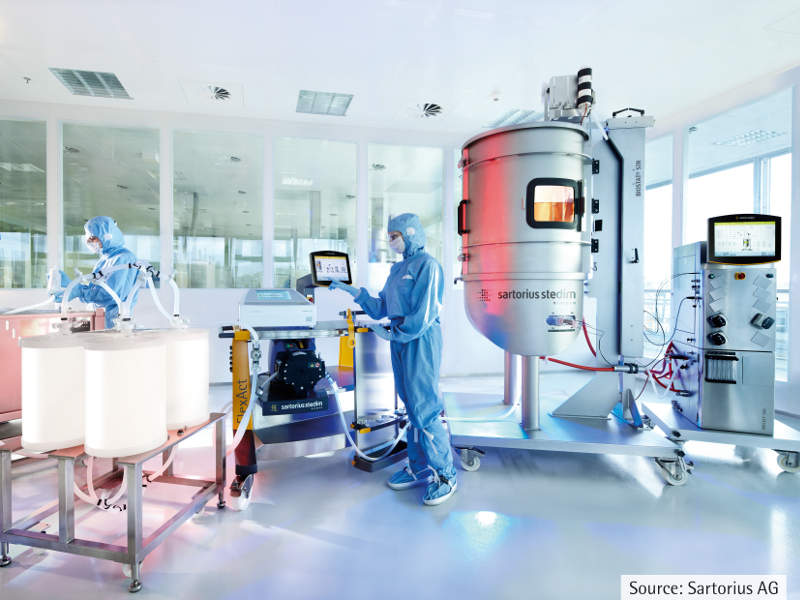
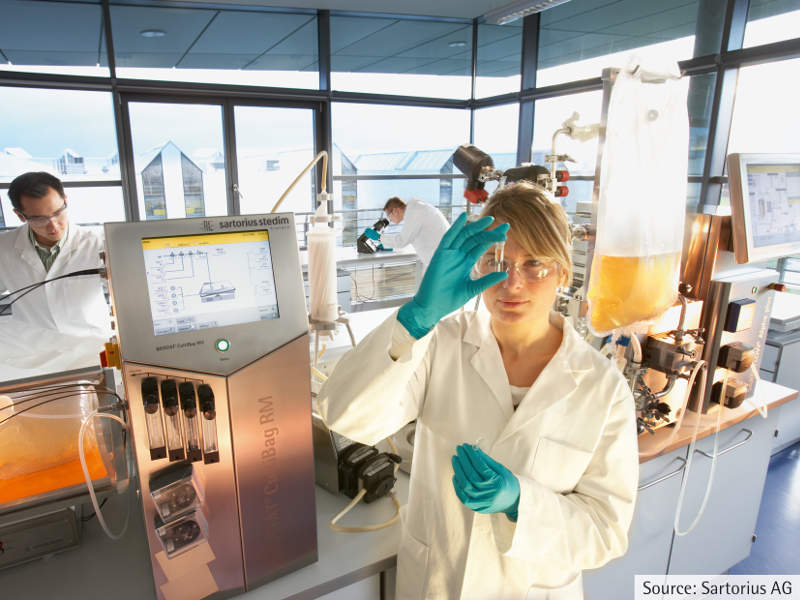
Sartorius Stedim Cellca’s cell culture technology centre spans 6,000m² (65,000ft2). It includes office space and specialist laboratories focused on developing cell lines and refining cell culture media, which are key inputs for biologics manufacturers producing next-generation medicines and vaccines.
The new facility was developed due to the rapid growth in the company’s business that necessitated a bigger space for the growing employee base and production facilities.
The centre comprises a single-storey podium with an underground car park, incorporating a delivery area, topped by a three-storey block.
Sartorius’ Ulm cell culture facility design and features
The building features a distinctive glass facade. Covering more than 3,200m2, it comprises 675 glass panels installed as a structural glazing facade. Each element, weighing up to 650kg, is individually designed.
Assembled like pieces of a puzzle, the panels collectively depict a large cloud motif. This visual effect was achieved using an innovative double digital printing process, in which white circular dots of varying sizes were applied across the entire glass surface.
The printed dot pattern, which covers around 50% of the glass surface, removes the need for external sun shading. It lowers the level of solar radiation entering the building and helps to reduce heat build-up in the neighbouring laboratory wing.
In the new laboratory area, glazed partition systems create open, bright workspaces and adaptable laboratory environments.
A glass corridor running alongside the laboratories provides visitors with a view into the advanced development facilities. Outward visibility is maintained, while views into the building are restricted.
In the office zone, an open-plan concept has been adopted. It combines greater flexibility and opportunities for interaction among employees with a range of quiet areas and small think tank spaces for focused work.
Details of the Sartorius Cellca CHO expression platform
Sartorius Stedim Cellca devised a unique cell line development technology platform for protein production of biopharmaceuticals in Chinese hamster ovary (CHO) cells.
The platform helps provide stable cell lines with simple feed-batch processes for the biopharmaceutical industry. It consists of an expression vector, a host cell line, a CHO media system and an upstream process design.
The Cellca CHO expression platform helps generate cell cultures from the DNA stage to the reference cell bank stage within four months. It has developed a standard feed-batch process that can produce 3g/litre protein titres in 12–14 days.
The processes can be transferred and scaled up to 1,000 litres-range bioreactors using the platform.
Sustainability features
The Ulm facility was granted German Sustainable Building Council (DGNB) Gold certification in August 2021 for incorporating various sustainability features.
The building features KfW55 standard energy-efficient systems, a rooftop photovoltaic system and low-pressure loss in mechanical ventilation systems.
Contractors involved
Carpus+Partner provided architecture, building physics, concept study, energy concept, laboratory planning, multidisciplinary planning and project management services for the project.
Marketing commentary on Sartorius Stedim Cellca
Based in France, Sartorius Stedim Biotech is a total solution provider, with its portfolio covering various aspects of biopharmaceutical manufacturing.
In 2015, Cellca was acquired by Sartorius Stedim Biotech Group to become Sartorius Stedim Cellca. The new entity develops cell lines and protein production processes, as well as licensing technologies for protein production and media to develop cell culture.
In 2025, Sartorius Stedim Biotech employed more than 14,000 people across 60 sites in 37 countries globally.
