

Biolex Therapeutics is a biotech company involved in the development and commercialisation of complex proteins and monoclonal antibodies that cannot be produced using traditional methods or can only be manufactured at great cost.
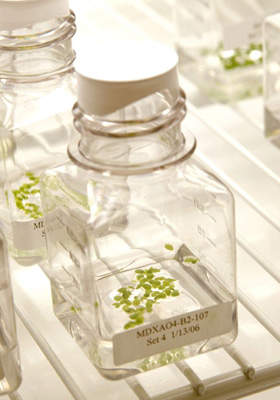
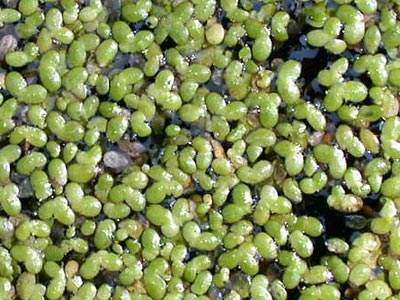
The company has a unique, patented method called the LEX System that uses Lemna (a genus of aquatic plants) as a transgenic host in the manufacture of therapeutic peptides. This technology was obtained as part of the acquisition of the French biotech company LemnaGene in July 2005.
Recommended White Papers

Recommended Buyers Guides

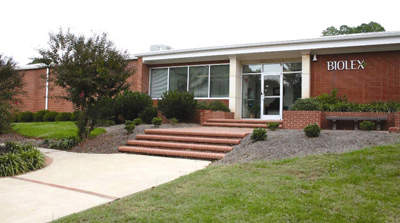
Biolex is working on the development of its own pipeline of products as well as supporting the programmes of its strategic partners. One of its lead product candidates is Locteron, which is under joint development with OctoPlus. Biolex also has a multi-protein strategic alliance with Centocor and collaborations with other biotech companies, including Medarex. The Biolex facility is based in the Research Triangle region of North Carolina.
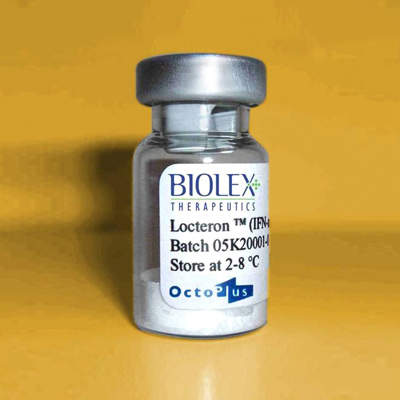
Locteron
Alfa interferon is a protein used to treat infectious diseases, including hepatitis B, hepatitis C and certain cancers. Locteron is a controlled release formulation of OctoPlus’ proprietary biodegradable PolyActive drug delivery technology with Biolex’ BLX-883, a recombinant alfa interferon produced using LEX System.
Locteron is designed to be more convenient for patients than the currently used pegylated alfa interferon, as it can be administered every two weeks.
Phase I clinical trials were completed in 2005. The Phase IIa randomised study, known as SELECT-1 (Safety and Efficacy of Locteron: European Clinical Trial-1), evaluated a range of up to four doses of Locteron given every two weeks in combination with the antiviral drug ribavirin, in treatment-naive hepatitis C patients with the geneotype-1 variant of the virus. The 32 patients on the trial were treated with the combination therapy for 12 weeks.
The results of the trial were presented at the 58th Annual Meeting of the American Association for the Study of Liver Diseases. They showed a significant dose response and that patients suffered far fewer side effects than other pegylated interferon systems.
Biolex and OctoPlus began SELECT-2, a Phase IIb trial of Locteron, in April 2009, and interim results from the 12-week treatment period were presented during the 45th International Liver Congress in Austria. The results showed that there was a fall in the occurrence of flu-like adverse events when compared to PEG-Intron control. These findings will be used as the basis for dose selection in the Phase III development programme.
The LEX System
The LEX System gives Biolex the ability to develop a therapeutic protein from the primary amino acid sequence through a scale-up of purified cGMP product suitable for clinical trials and commercial supply. The system couples the natural characteristics of Lemna with advanced genetic engineering and protein recovery methods.
The system is ideal for the production and development of monoclonal antibodies and hard-to-make proteins. Peptides produced with the LEX System include multimeric proteins, alfa interferon and monoclonal antibodies.
In May 2007, Biolex announced an agreement with Genmab to evaluate the LEX System as a manufacturing system for antibodies developed with Unibody technology.
Biolex GMP facility
In 2005, Biolex undertook the expansion of its Good Manufacturing Practice (GMP) biomanufacturing facility in Pittsboro, North Carolina. The facility, which opened in September 2004, needed to expand due to an increase in the number of collaborations Bioloex had with larger pharmaceutical companies to develop peptide therapeutics, as well as its own increased product pipeline.
In 2004, Biolex had formed four top-tier corporate collaborations for ten proteins including Bayer HealthCare (two proteins), Centocor (six proteins) and Debiopharm. The facility employed 45 personnel when it first opened – the expansion doubled that number to 90 and also doubled the production capacity.
Design and construction
The facility was designed and constructed between March and August 2005. the facility was constructed in a modular fashion during a this period, using a 50-year-old converted textile mill to house the manufacturing and processing equipment.
The floor space of the phase two expansion is 7,500ft², giving the facility a total of around 13,000ft². The project required an estimated investment of $3.6m. The next stage of expansion will take place according to the commercialisation of Locteron and other drugs in the pipeline.
The construction project was awarded to O’Neal on a design-build basis: the design was carried out by O’Neal Engineering; the construction was carried out by O’Neal Constructors; and the validation by O’Neal. Because of the use of an older building, the simplicity of the design and the use of modular systems for the processing equipment, the phase two expansion was in use and producing active pharmaceutical ingredients by the end of October 2005. The process of bringing a new plant on-line usually takes two to three years.
The reduction in time with the Biolex expansion allowed capital to be invested in the clinical development pipeline, potentially avoiding capital investment risk. The equipment suppliers for the new facility included Controlled Environments, PureFlow, Advantage Engineering and Covington.
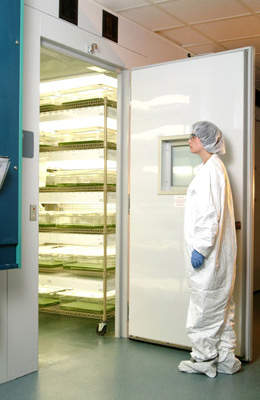
Equipment installed included a media preparation suite, a cleanroom, temperature controlled storage facilities, simple, modular environmental chambers for plant growth (adapted from agricultural equipment) and a downstream processing and purification train.
The requirement for upstream process and utility equipment was minimised because of the use of the genetically stable Lemna plant, which only requires salts, carbon dioxide and light for peptide expression. There was also no requirement for many stainless steel vessels with CIP and SIP systems as well as WFI and steam clean systems.
The use of the transgenic Lemna meant that the project involved mostly architectural changes to the building, HVAC installation and electrical design and construction. Many of the utility systems were bought off the shelf, which also saved money. The modular design also saved a lot of time and brought down costs.
