
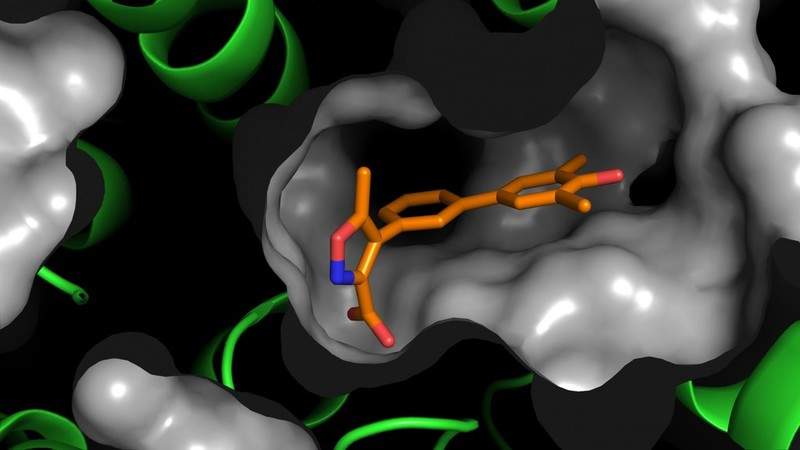
Researchers at the University of Manchester have formulated a non-antibiotic drug for the treatment of infection caused by Mycobacterium tuberculosis bacteria (MptpB), including antibiotic resistant strains.
The drug has been designed to target the bacteria’s defences, instead of the organism itself.
Go deeper with GlobalData


Discover B2B Marketing That Performs
Combine business intelligence and editorial excellence to reach engaged professionals across 36 leading media platforms.
The bacteria secrete Virulence Factor molecules that prevent the body’s immune response against it. During the latest research, the team found that inhibition of the MptpB Virulence Factor will enable white blood cells to kill the bacteria ‘efficiently’.
A regimen to treat tuberculosis typically involves a combination of antibiotics over six to eight months. This may lead to side effects and includes a 20% risk of disease recurrence. The bacteria also become resistant to certain antibiotics.
The researchers said that the new drug targets MptpB, which is not similar to anything in humans, and hence cannot negatively affect the human cells.
As the drug does not directly target the bacteria, it is believed to have lower chances of resulting in resistance.
Project leader Lydia Tabernero said: “For more than 60 years, the only weapon doctors have been able to use against TB is antibiotics. But resistance is becoming an increasingly worrying problem and the prolonged treatment is difficult and distressing for patients.
“And with current treatments, there’s no guarantee the disease will be eliminated: antibiotics do not clear the infection and the risk of being infected with drug-resistant bacteria is very high.
“But by disabling this clandestine bacteria’s defences we’re thrilled to find a way that enhances the chances of the body’s immune system to do its job, and thus eliminate the pathogen.”
When tested in guinea pigs with acute and chronic infection at Rutgers University in the US, the new non-antibiotic drug was found to be effective and led to a significant decrease in the bacterial burden.
The researchers expect to evaluate the agent in humans within three to four years.


