

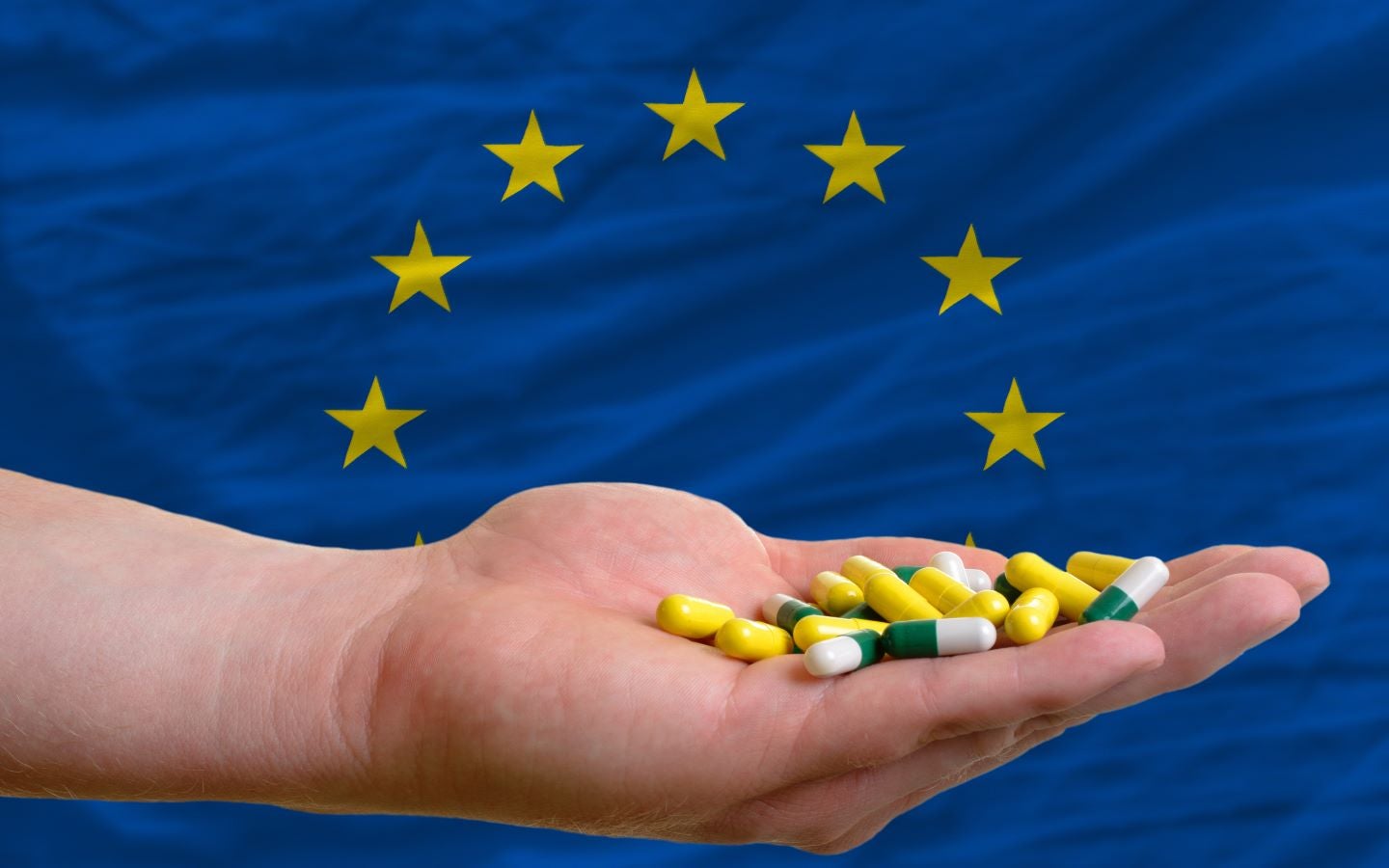
The EU’s “Union list of critical medicines” stole many pharma-related headlines this week. Its publication is undoubtedly significant, but the impact has been overblown in some quarters.
The Union list of critical medicines registers a few hundred active substances essential to healthcare systems for which continuity of supply in the EU is termed a priority. Featuring on the list does not necessarily mean that a product will experience scarcity – the Union list simply describes serious disease medicine products that could cause patient harm or difficulties for national-level healthcare systems in the EU-27 if a shortage ever arose. The list should be understood to mean that the named active substances will be subject to pre-emptive shortage prevention strategies, including sets of actions to diversify supply sources, encourage extra stockpiling, enhance monitoring, and possibly establish investment incentives for EU-based manufacturers. Voluntary solidarity mechanisms, which may facilitate greater amounts of medicine sharing within the EU internal market, are also on the cards. At the same time, some of the policy actions that may emerge hinge on whatever finalised form EU general pharmaceutical legislation takes.
Go deeper with GlobalData

How significant is the Union list of critical medicines?
Lists that address supply scarcity issues are commonplace across multiple jurisdictions globally, and indeed they have been prevalent at a national level in the EU for several years. What is a new development is that the Union list of critical medicines is EU-wide and another step by institutions to reach into areas that were previously largely national competency.
Policymakers intend the list to improve supply continuity and address potential shortages. However, the short-term prospect of stemming the tide of drug shortages is limited due to the complexity of reorganising supply chains. The mechanisms represent a stop-gap measure that is unlikely to do much to alleviate the supply situation in 2024. The pharmaceutical industry is far more mindful of the EC’s longer-term ambition to establish a closer EU Health Union, underpinned by EU involvement in joint procurement activities and possibly even in pricing arrangements. Such policies will develop alongside “reshoring” and “friend-shoring” initiatives to relocate some essential medicines manufacturing to the EU and allied countries, and thereby shorten international supply chains.
Is there a risk of other countries developing or expanding similar lists?
The US Committee on Oversight and Accountability is investigating growing numbers of critical drug shortages. An FDA database currently identifies 128 medicine shortages. The investigation aims to gain a better understanding of the FDA’s future response and mitigation strategies against shortages. According to committee members, there is a risk that US drug shortages could worsen under the Inflation Reduction Act (IRA) price controls for prescription medicines, potentially leading to less investment in domestic pharmaceutical production and exacerbating supply chain insecurity. In that context, we may see the US’s drug shortage list expand in 2024, as well as more imports of non-FDA-approved generic drugs manufactured in China. The drug shortage list also prompted the Biden administration to outline a plan in late 2023 to increase domestic production of essential pharmaceuticals, including potentially leveraging the Defense Production Act. These developments look familiar across the Atlantic to how the EU is attempting to guard against supply disruptions and “de-risk” critical medicine supply networks linked to China and India.
Another common thread with the EU agenda is that Canada published a report in December 2023, aimed at drawing up long-term strategies to prevent medicine shortages. 12 months after the establishment of Canada’s Drug Shortages Task Force, the report envisages creating a list of medicines critical to patients and vulnerable to shortages. This has all the features of the EU’s Union list of critical medicines. The similarities do not end there, since stakeholders also request additional requirements should be put in place for products on the list such as “safety stocks”. Rumoured figures suggest “safety stocks” could amount to a 20% extra margin for drugs in short supply.
Ultimately, the EU’s Union list of critical medicines may be one of the factors that prompts greater alignment between some groups of countries, culminating in the further modernisation of regulatory tools to improve supply chain visibility and enhance responses to supply chain vulnerabilities.
Unfortunately, the public may have come away with the mistaken impression that the Union list of critical medicines has the potential to immediately reduce shortages, which is not realistic. Any reductions in shortages are a long-term prospect: Some of the list’s limitations may be partially addressed from mid-2024 onwards when the list is expanded on a phased basis, but other enhancements may have to wait until the European Commission operationalises a Critical Medicines Alliance in 2024. This alliance aims to coordinate action at an EU level between member states, EU agencies and industry pillars, focusing on a specific number of critical medicines where the risk of shortages is expected to be highest and where the potential impact on EU-27 healthcare systems could be serious.
This article is produced as part of GlobalData’s Price Intelligence (POLI) service, the world’s leading resource for global pharmaceutical pricing, HTA and market access intelligence integrated with the broader epidemiology, disease, clinical trials and manufacturing expertise of GlobalData’s Pharmaceutical Intelligence Center. Our unparalleled team of in-house experts monitor P&R policy developments, outcomes and data analytics around the world every day to give our clients the edge by providing critical early warning signals and insights. For a demo or further information, please contact us here.

