
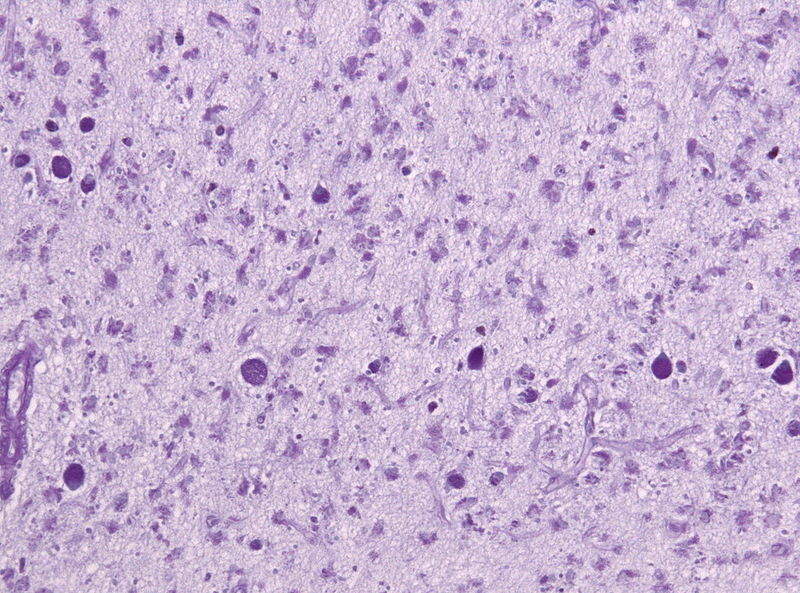
Biotechnology firm Regenxbio is developing a new neurodegenerative candidate RGX-181 for treating late-infantile neuronal ceroid lipofuscinosis type 2 (CLN2) disease.
CLN2 disease is considered as one of the most common types of Batten disease and is caused due to tripeptidyl peptidase 1 (TPP1) gene mutations. It is rare, has a paediatric onset and is autosomal recessive.
Go deeper with GlobalData


Discover B2B Marketing That Performs
Combine business intelligence and editorial excellence to reach engaged professionals across 36 leading media platforms.
The most common symptoms of the condition are seizures, loss of vision and blindness, cognitive decline, rapid deterioration of language and motor functions, and premature death.
While the disease currently lacks cure, therapy options include palliative care or enzyme replacement that require permanent implantation of a device.
Regenxbio will leverage its NAV technology platform to develop RGX-181 as a new, one-time gene therapy for CLN2 disease.
The drug candidate will use NAV AAV9 vector to directly deliver the gene encoding for TPP1 enzyme, which is deficient in children with the disease, into the central nervous system (CNS).
RGW-181 has been formulated to alter CNS cells, as well as provide a sustainable TPP1 source and facilitate long-term correction of cells with a single intracisternal injection.
In animal models of CLN2 disease, RGX-181 is said to have demonstrated the ability to restore TPP1 activity and improve neurobehavioral function and survival, compared to non-affected models.
Regenxbio senior vice-president and chief scientific officer Olivier Danos said: “Children with CLN2 disease experience an array of serious symptoms such as seizures, deterioration of language and motor skills, blindness, cognitive decline and premature death.
“The goal of our RGX-181 clinical programme is to develop a single-dose treatment to halt progression of neurological decline and improve a broad range of these devastating symptoms experienced by children with CLN2 disease.”
The company expects to file an investigational new drug (IND) application in the US next year to launch a global first-in-human clinical trial of the drug candidate across the country and Europe.


