
US-based drugmakers are meeting rising demand not by competing for local talent, but by collaborating through trade associations to support the next generation of workers.
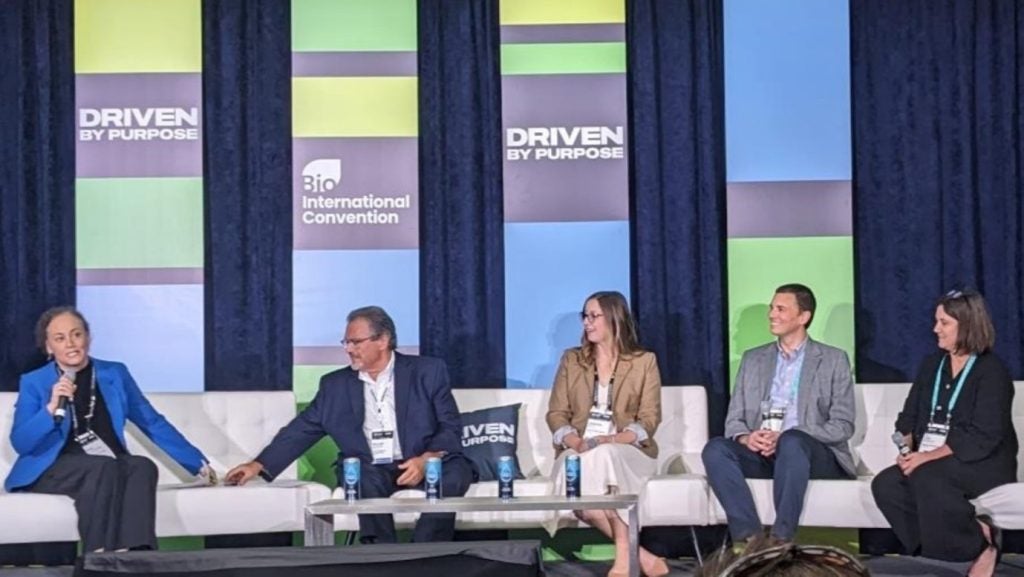
At the 2026 BIO conference in San Diego, which is taking place from 22–25 June, representatives of trade associations and pharma developers shared positive experiences of using state-wide forums to coordinate with local governments and higher education as a way to ensure both workforce size and skill meet demands on production.
The US has seen a wave of commitments by major developers to onshore medicine manufacturing and R&D following a slew of import tariffs on pharmaceuticals implemented by President Donald Trump. In order to secure exemptions from tariffs, these developers have earmarked billions to construct new facilities in the country.
North Carolina has emerged as one of the main recipients of this rising investment. For example, J&J and Roche both committed $2bn in 2025 and 2026 in the state, respectively. Even before this, in the last five years, the region has seen unprecedented growth for its biopharma sector, according to Bill Monteith, programme manager of North Carolina Life Sciences Organisation’s (NCLifeSci) Biotech Manufacturers Forum (BMF), who says workforce development is now a top priority.
Monteith explained that in the early 1990s, life sciences companies in North Carolina formed the genesis of NCLifeSci in a framework to avoid poaching each other’s employees. Decades later, the initiative has expanded and evolved to include academic institutions with which it aims to attract more higher education graduates into biopharma manufacturing.
Eli Lilly is one of the companies signed up to the forum. Its senior director of human resources, Jennifer Petty, says the rapid pace of up-scaling at Lilly in recent years has led it to engage in the BMF to discuss its growing need for talent with other companies in similar positions.
One solution undertaken by Lilly has been to pool efforts to develop its talent pipeline with those of rival companies, shunning any older business practice of keeping recruitment strategies from competitors. “A rising tide lifts all boats,” remarked Petty.
North Carolina’s success is being emulated by smaller US biopharma hubs. Through its NCLifeSci equivalent, Oregon Life Sciences, biopharma developers in Oregon are able to share hiring plans and initiatives they otherwise would disclose to competitors directly, said director of Thermo Fisher Scientific’s site in Bend, Oregon, James Hulvat.