
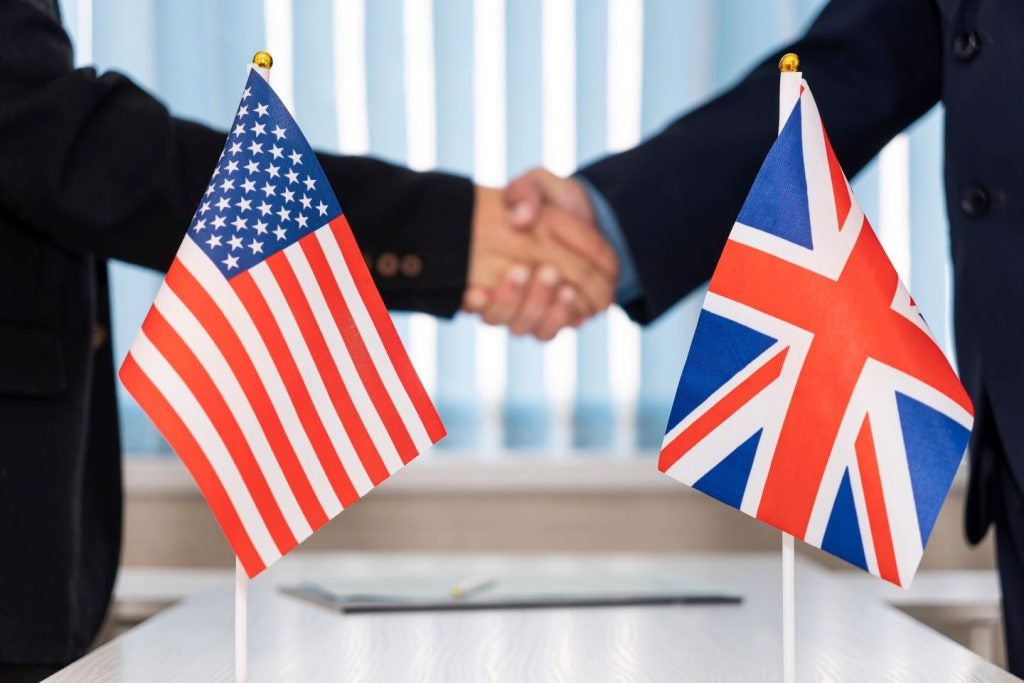
The US Food and Drug Administration (FDA) and the UK’s Medicines and Healthcare products Regulatory Agency (MHRA) will more formally collaborate to combine the agencies’ expertise, helping shape the future of global healthcare regulation.
Focal areas of the newly created liaison programme include medical devices, artificial intelligence (AI), and innovative medicines. According to the agencies, the creation of a more formalised collaborative approach in these areas will make it easier to respond more quickly to advances in science and technology and support the development of safe, effective products for patients across both countries, while retaining full regulatory independence.
A key aspect of the harmonisation programme, which was announced during the DIA Global Annual Meeting, taking place from 14 to 18 June in Philadelphia, is the appointment of reciprocal liaison officer roles within each organisation. These officers will enhance day-to-day collaboration, support scientific exchange and streamline approaches to emerging regulatory challenges and decisions, the agencies' stated.
MHRA CEO, Lawrence Tallon, said: “By creating dedicated liaison roles, we are taking our collaboration to a new level, improving how we share expertise, align on regulatory science and technology, and respond to the pace of innovation.
“This will help product developers cross the Atlantic, in both directions, because our regulatory decisions will become more closely aligned, reducing friction to market from the UK to the US and vice versa.”
The liaison programme follows the agencies' commitment to deepening cooperation between the UK and the US on medical device regulation in April.
FDA deputy commissioner, Grace Graham, commented: “American patients and innovators benefit when regulators collaborate, as aligning on regulatory science can speed access to medical products and reduce time to markets both here and in the UK.”
Responding to the initiative, Scott Whitaker, CEO of the Advanced Medical Technology Association (AdvaMed), highlighted that closer alignment between the agencies will reduce red tape and “accelerate patient access to lifesaving medtech on both sides of the Atlantic”.
Initiative follows recent pharma and AI developments
Regarding pharma, closer collaboration between the FDA and MHRA follows the UK-US pharmaceutical trade and pricing agreement. Implemented in April 2026, the deal secured 0% tariffs on UK drug exports to the US, with the UK agreeing to raise the net price the NHS pays for new branded medicines by 25% in return.
Commenting on this aspect of the agencies’ collaboration, Duncan Edwards, CEO of BritishAmerican Business, said: “Building on the UK-US pharmaceutical agreement, it sends a positive signal to companies looking to invest, innovate and grow on both sides of the Atlantic. Businesses value certainty, and closer cooperation between regulators can help provide it.”
The liaison programme also comes as the MHRA enters the final stages of developing a new AI regulatory framework to account for the current levels of advancement being seen with the technology.
In shaping this framework, which is intended to replace the medical device regulation (MDR) that currently governs AI in healthcare in the UK, the MHRA set up the National Commission on the Regulation of AI in Healthcare. Final results from the ‘policy-shaping’ consultation into the regulatory future for the technology were published on 11 June. Of the 761 unique responses obtained from stakeholders, including NHS bodies, industry, and academia, 50% of respondents said the existing framework for AI needed substantial revision, while 21% called for a complete overhaul.