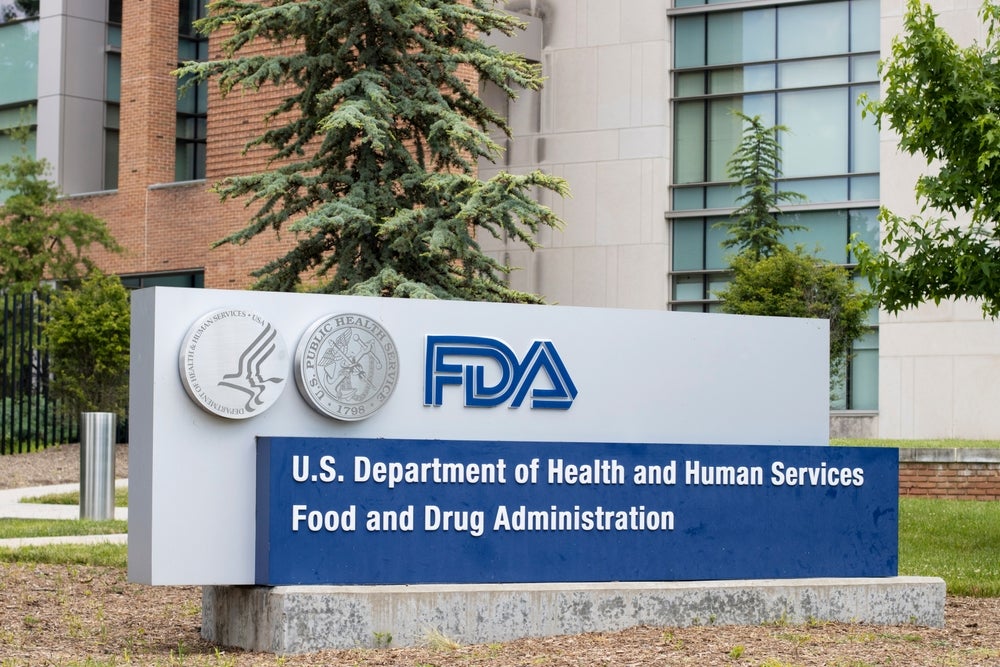
The US Department of Health and Human Services (HHS) has selected four senior leaders to assume permanent positions in the US Food and Drug Administration (FDA), bringing some respite to a tumultuous period for the regulator fraught with several high-profile management changes.
As per a statement from the HHS, acting directors of both the FDA’s drug and biologics evaluation centres, Michael Davis and Karim Mikhail, will take on their current roles on a permanent basis, bringing leadership clarity to the agency offshoots that have had a revolving door of senior officials over the past year and a half.
Davis, who has worked at the FDA in some capacity for more than eight years, has been the acting director of the Center for Drug Evaluation and Research (CDER) since May 2026 following the ouster of his acting predecessor, Tracy Beth Høeg. During his time at the helm of CDER, Davis hopes to bolster access to “safe and affordable critical medicines,” the HHS says, while strengthening the domestic drug supply chain.
Meanwhile, Mikhail has been at the FDA for a little over a year, having served as a senior advisor to the office of the commissioner during the Makary era until April 2026, before taking the role of acting director of CBER in May that same year. Mikhail originally replaced Katherine Szarama as the acting director of the regulatory division, who briefly took the helm after the second exit of prior lead, Vinay Prasad, in April 2026.
While his experience within the agency itself may not be extensive, Mikhail has worked in the pharma and biotech spaces for nearly three decades. In his role, he plans to modernise CBER’s regulatory frameworks – with a notable focus on rare diseases, while bolstering the US’s vaccine safety surveillance efforts.
Another notable FDA appointment to come out of this HHS announcement is the hiring of the agency’s first deputy commissioner for technology and artificial intelligence (AI), with Jared Seehafer now the first incumbent.
Previously, Seehafer has held multiple positions within the intersection of the software, AI and FDA-regulated medical technology. His most recent was a stint at the FDA as a senior advisor.
His selection for this role adds further credence to the FDA’s commitment to harnessing AI under directives from the Trump administration.. Previously, the agency inked a collaborative framework with the European Medicines Agency (EMA) to ensure that pharma employs best practices when using AI in drug development, while it also made its own foray into AI by incorporating the technology into its workflow in May 2025.
With the FDA potentially transitioning into a new leadership era, it is yet to be seen if the changes will improve stability in the agency, which has previously contended with mass layoffs, accusations of politicisation and slow review times.
“We are building an FDA that moves faster, demands excellence, and delivers results for the American people,” commented health secretary, Robert F. Kennedy, Jr.
“These leaders will drive the reforms needed to confront our nation’s most serious health challenges and strengthen American leadership in medical innovation,” he added.
Kyle Diamantas remains acting commissioner of the agency following Marty Makary’s high-profile resignation in May 2026. In August, President Trump nominated Heidi Overton to lead the FDA. Overton, who is currently a White House health policy aide, will still require confirmation in front of the Senate.