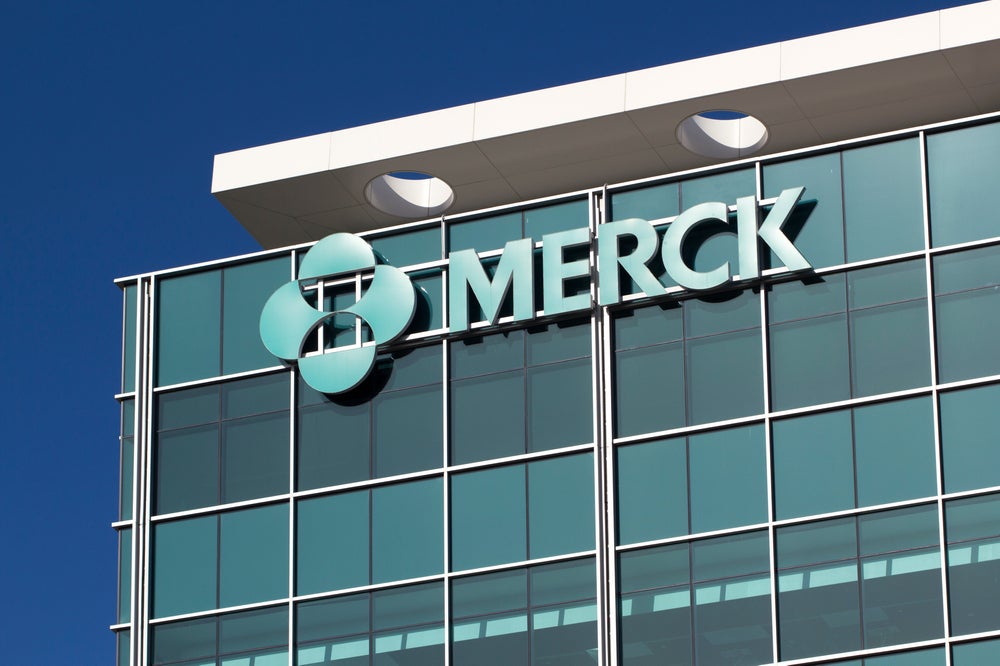
MSD (Merck & Co) has once again turned to China to fortify its pipeline – this time inking a licensing deal with Shanghai-based biotech, SciBrunch Therapeutics, centred around a KRAS inhibitor, SPR2015, as buzz around targeting the RAS pathway continues to build.
As per the agreement, MSD will hand over $400m upfront and up to $1.73bn in development and commercial milestone payments for the exclusive global rights to SPR2015 – a preclinical-stage, oral therapy designed to inhibit the ‘on’ version of KRAS G12D. According to MSD, KRAS G12D is one of the most common RAS mutations found in human tumours.
While the publicised details of this deal are sparse, MSD has shared that preclinical data points to the drug’s anti-tumour potential, with testing conducted on KRAS G12D-mutant cell lines highlighting its potential to selectively inhibit the growth and division of cancer cells, while sparing their wild-type counterparts.
On top of this, results from in vivo and patient-derived xenograft models have demonstrated SPR2015’s antitumour promise as a standalone treatment.
MSD leans on dealmaking amid key patent expiries
MSD forges this deal as drugs targeting RAS – the family of cell growth and division-regulating genes under which KRAS sits – gains increasing industry attention. This uptick in sector interest closely follows the landmark Phase III success and subsequent swift approval of Revolution Medicines’ Rasonque (daraxonrasib) in pancreatic cancer. Earlier this year, the drug made history by doubling overall survival (OS) and becoming the first RAS(ON) inhibitor to reach the market.
It also comes as MSD looks to diversify its pipeline amid the looming patent expiry of its best-selling asset, Keytruda (pembrolizumab), which the company expects to lose its market exclusivity in 2028. As part of this strategy, the company has inked multiple deals with Chinese biotech companies – including LaNova Medicines and Sichuan Kelun Biotech.
MSD has also turned to M&A to bolster its pipeline in recent months, with the company having acquired a blood cancer asset through its $6.7bn takeover of Terns Pharma back in March. The New Jersey-based pharma giant was also reportedly eyeing a takeover of Revolution Medicines for up to $32bn, although this never came to fruition.
Last year, MSD splashed out a total of $19.2bn on two high-profile acquisitions, including that of cardiopulmonary specialist Verona Pharma and respiratory disease-focused biotech, Cidara Therapeutics.