

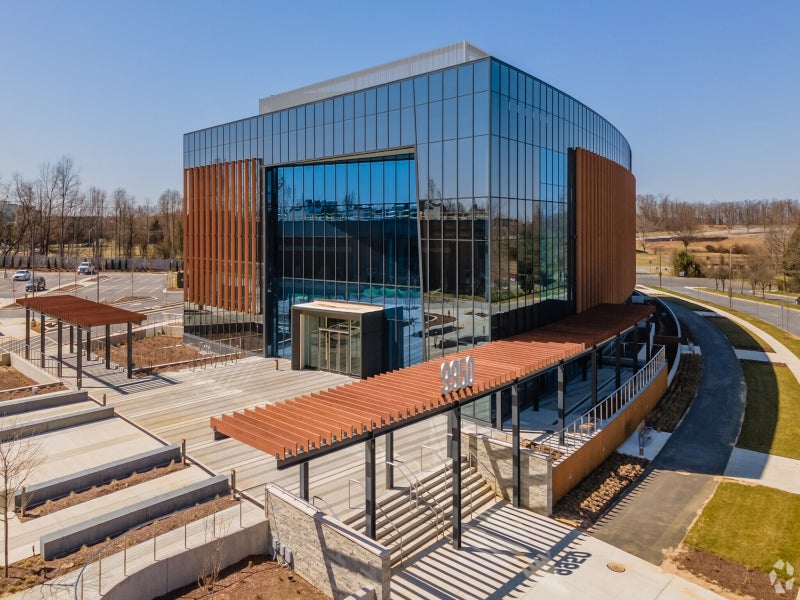
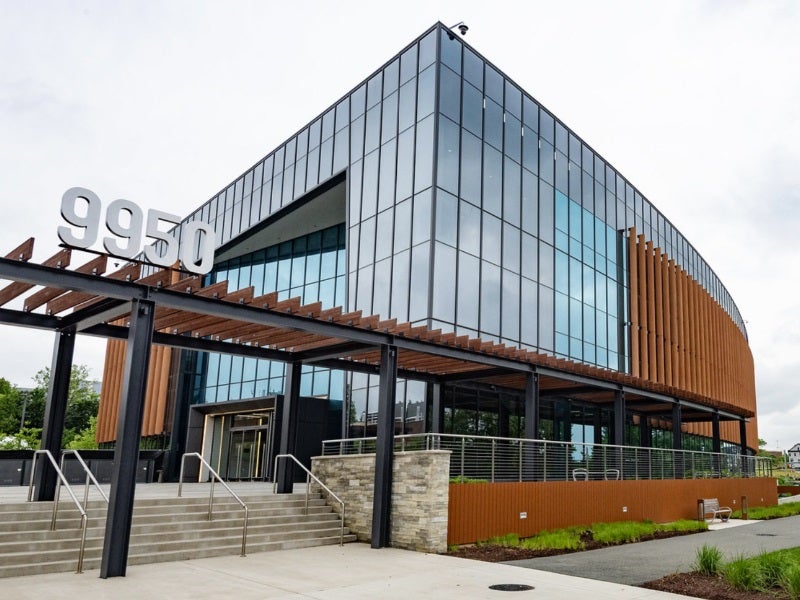
UK-based biopharmaceutical company AstraZeneca’s advanced manufacturing facility is located in Rockville, Maryland, US.
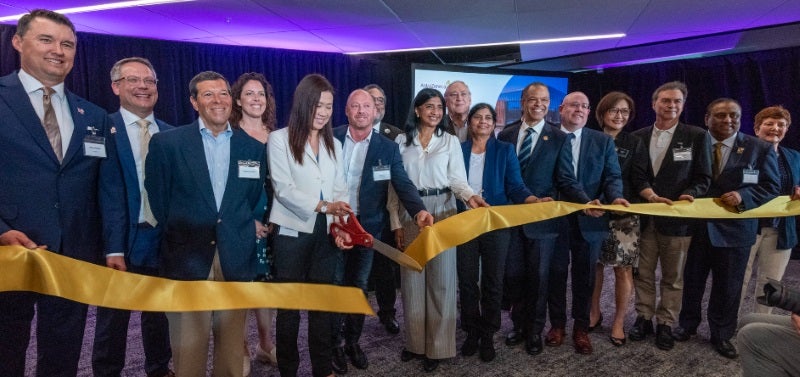
Announced in February 2024, the project boasts an investment of $300m (£223.95m). It was opened in May 2025 and is expected to generate more than 150 new highly skilled jobs.
Recommended Buyers Guides

The facility is designed to produce life-saving cell therapy platforms, which are essential for critical cancer trials and future commercial supply.
It expands the company’s manufacturing footprint in the US and accelerates the discovery and development of the next-generation cell therapy.
The expansion aligns with AstraZeneca’s broader strategy in oncology cell therapy, aiming to enhance the immune system’s T-cells to combat cancer more effectively.
It fortifies AstraZeneca’s global manufacturing and supply network, reinforcing its dedication to delivering innovative treatments to patients worldwide.
The facility is focused on the production of T-cell therapies to facilitate clinical trials globally and can potentially be expanded to cater to other disease areas in the future.
Location of AstraZeneca’s advanced manufacturing facility
AstraZeneca’s cell therapy manufacturing facility is situated at 9950 Medical Centre Drive within the Alexandria Centre® for Life Science – Shady Grove mega campus in Rockville, Maryland.
The site has been leased to AstraZeneca by Alexandria Real Estate Equities. The UK-based pharmaceutical company has entered a 13-year lease agreement with Alexandria Real Estate Equities for the entire Class A+ facility, which is set to last until June 2036.
The Shady Grove campus comprises approximately 1.2 million rentable square footage (RSF) in operation and 807,000 RSF designated for future development, providing a scalable environment for companies.
Located less than five miles from one of AstraZeneca’s global research and development centres, the facility is strategically placed within the thriving life sciences corridor in Montgomery County, Maryland. With proximity to several universities, the life sciences ecosystem provides an attractive place for offering access to new and experienced talent.
AstraZeneca’s cell therapy manufacturing facility details
The 84,264ft² cell therapy facility is dedicated to the manufacturing of CAR-T cell therapies, supporting AstraZeneca’s global clinical trials in cancer treatment.
The site represents the latest investment in cell therapy for AstraZeneca following strategic partnerships and acquisitions, including those with Quell Therapeutics, AbelZeta, Cellectis and Neogene Therapeutics.
The Rockville site joins AstraZeneca’s extensive network of approximately 30 manufacturing and supply sites across 16 countries, which are either currently operational or under development.
Financing details from Maryland
The Maryland Department of Commerce provided a $500,000 conditional loan through the Advantage Maryland programme to support the project.
Montgomery County provided a $100,000 conditional grant from its Economic Development Fund. AstraZeneca is expected to be eligible for further incentives such as the More Jobs for Marylanders programme and the state’s Job Creation Tax Credit upon hiring new employees.
Advancements in AstraZeneca’s oncology cell therapy
AstraZeneca’s oncology cell therapy ambitions were significantly advanced with the acquisition of Neogene Therapeutics in November 2022. Subsequently, in June 2023, the company entered an agreement with Quell Therapeutics to develop engineered T-regulatory cell therapies for autoimmune diseases.
Collaborations with Cellectis in November 2023 furthered AstraZeneca’s objectives in cell therapy and genomic medicine.
The company’s portfolio in cell therapy is designed to enhance the immune system’s T-cells to more effectively combat cancer.
Research teams are exploring innovative approaches to target and arm CAR-Ts, aiming to improve their efficacy in solid tumours by countering the immune-suppressive tumour microenvironment.
AstraZeneca is developing next-generation cell therapies, potentially offering off-the-shelf patient-ready therapies developed from the cells of healthy donors.
It is also advancing with multiple armoured autologous chimeric antigen receptor therapies, including those targeting Glypican 3 in hepatocellular carcinoma.
