

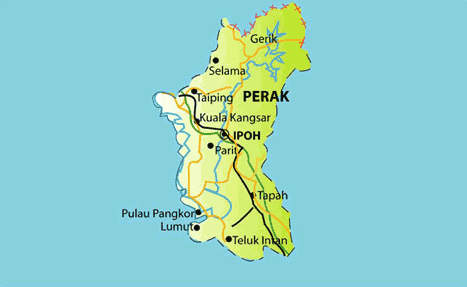
With the ascendancy of the Indian pharmaceutical and biotech industries has come expansion and, in some cases, foreign investment into new facilities. Bharat Biotech is one Indian company with the foresight to invest in other areas of Asia and its vaccine production plant in Perak, Malaysia is its first on foreign soil. Bharat Biotech specialises in developing and manufacturing vaccines and bio-therapeutics.
The facility was built on a 6ha greenfield site with significant aid from the Malaysian Government in the form of tax incentives and grants. Malaysia has excellent resources and an investment-friendly environment, which includes government assistance for the biotech sector.
Recommended Buyers Guides

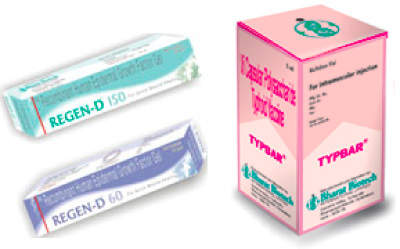
Bharat Biotech uses the plant to manufacture a chloride-free hepatitis B vaccine. It also uses some of the plant’s capacity to manufacture other vaccines for malaria and typhoid, a hormone for diabetic foot ulcers and cardiovascular drugs.
The company already has one of the largest biotech manufacturing facilities in Asia at its headquarters facility in Genome Valley, Hyderabad (Thurkapally) in India. The multi-product biological facility has a floor space of 350,000ft² and can produce a vast range of biotech products in commercial quantities, with reactors ranging in size from 50l to 20,000l. Its milestones were the development of the chloride-free hepatitis B vaccine and indigenously produced probiotic yeast.
Partnership and construction
In 2005, Bharat Biotech entered into a memorandum of understanding with Remco Engineering and Consultancy and Perak Development Corporation (PDC) in order to set up its first overseas unit in Malaysia.
Bharat Biotech extended its technical expertise and Remco built and outfitted the plant. PDC owns the land. The plant enables Bharat Biotech to penetrate the Middle East and Asian markets, particularly Indonesia. The plant began commercial production in the third quarter of 2007.
The plant has been constructed in Perak’s Seri Iskandar Pharmaceutical Park at a cost of MYR50m ($13.23m). It includes an R&D facility and a manufacturing building, with areas for fermentation vessels, media preparation, downstream processing and purification.
There is also an administration block, QA and QC laboratories, a plant-room and a packaging and warehousing area. A utility block houses chiller units, a cooling tower, a tank farm, waste handling and plant facilities.
Products and the future
The Perak plant has been designed to take up production of other vaccines and a range of other biotech products as they progress through the Bharat Biotech’s drug pipeline.
The company is keen on developing therapeutic products such as recombinant lysostaphin and recombinant vascular endothelial growth factor. It filed an investigational new drug application for recombinant lysostaphin at the end of September 2005, and the drug obtained patent rights in the US, Europe, India, China, Australia in 2009.
Indikinase, Bharat Biotech’s recombinant streptokinase for treating myocardial infarction, is also produced at the plant. The company is also in the advanced stages of developing a rabies vaccine, and other vaccines are in the pipeline, including DPT, hepatis B and Hib combination vaccines are planned. Probiotics and growth factors are two further promising areas for the company.
