

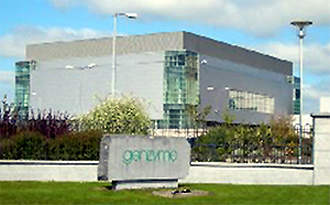
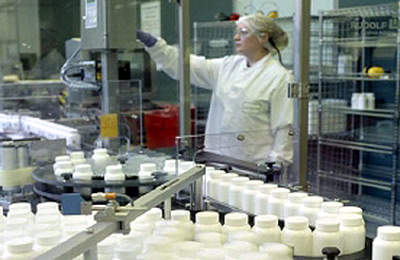
Genzyme Flanders is a European subsidiary of the US biotech giant Genzyme Corporation. The 70,000ft² facility in Geel, Belgium, was acquired in 2002 after the demise of the Belgian biopharmaceutical company Pharming. Since the takeover, the facility has been the major site in Europe for Genzyme’s monoclonal antibody production.
The plant expansion project was authorised in 2003 and started in early 2004. It was originally scheduled to be opened by 2007, but was accelerated due to demand for its monoclonal antibody products and instead officially opened in late 2005. Full production began in 2006 following a period of validation and FDA and EMEA inspection. The expansion project required an investment of over €75m and provided employment for more than 100 new staff.
Recommended White Papers

Recommended Buyers Guides

The Geel facility produces treatments for a range of metabolic conditions including Pompe disease, B-cell chronic lymphocytic leukaemia, Gaucher disease, Fabry disease and Mucopolysaccharoidosis. Genzyme is one of the few companies researching into and producing treatments for these diseases. The expansion was part of a major expansion plan for Genzyme facilities across Europe, requiring an investment of over US$540m. By 2009, the total investment made in the Geel facility was €350m.
In May 2009, Genzyme announced another expansion project to increase capacity, which will involve the addition of a 4000l bioreactor. The expansion, scheduled for completion by mid-2011, will require an investment of €46m. The project is expected to create 80 new jobs.
In January 2011, Genzyme announced plans to construct yet another production facility in Geel. The facility, which requires an investment of €250m, will support the long-term development of Myozyme and Lumizyme, which are indicated for the treatment of Pompe disease.
Groundbreaking took place on 24 January 2011. The facility will be equipped with 8,000l bioreactors, a complete purification installation and additional space for future expansions. It is expected to be ready for commercial approval by late 2014.
Contractors
The Project Management (PM) Group was awarded the contract to design and manage construction of the new buildings. The biotechnology engineering contract was awarded to the US-based CRB. Cegelec of Belgium was responsible for the HV electrical facilities, utilities and also for the control systems, installation of cleanrooms and computerised management systems with its partner AMEC-Spie.
The expansion has involved modifications to the existing cell culture bioreactors (2 ×10,000l) and associated purification train so that the facilities could be used for the production of monoclonal antibodies.
The majority of changes involved modification to the purification suites, by reconfiguring the process flow and additional operations equipment.
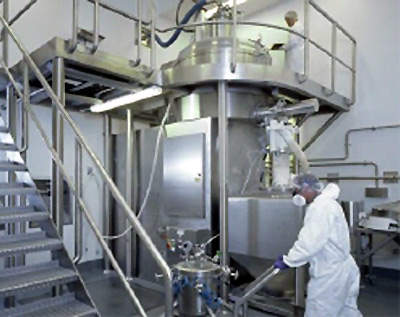
The plant also required increased bioreactor capacity and two new 4,000l perfusion bioreactors, a new cold purification train, new buffer preparation facilities and clean in place (CIP) skids. With the new facilities in place the plant has been able to produce multiple products. The third 4000l bioreactor together with the existing two bioreactors will be used to manufacture therapeutic proteins to treat Lysosomal storage disorders. The third bioreactor will be approved by the end of 2011.
Products and conditions
The expansion at the Geel site provided Genzyme with its first manufacturing facility for the production of humanised monoclonal antibodies, and produce Campath (alemtuzumab), an injectable treatment for B-cell chronic lymphocytic leukaemia. Genzyme started preparations to produce in-house batches of Campath during 2005, and hoped to produce the first complete production runs before the end of 2006; however, the company didn’t complete marketing and development rights to the drug until 2009.
The facility also produces Pompe disease treatment Myozyme (alglucosidase alfa), which was approved by regulatory authorities in the US and Europe in early 2009. Pompe disease is an inherited lysosomal storage disorder affecting approximately 5,000–10,000 patients worldwide. The disease, which affects muscular tissue, often kills its victims before the age of one. The first commercial batch of Myozyme was shipped in 2009.
Genzyme supplies a range of therapeutic and diagnostic products to European countries. Some of these that are produced or are expected to be produced at the Geel site include:
- Cerezyme (imiglucerase for injection), which is the only safe and effective treatment for Type 1 Gaucher disease available. Cerezyme controls and reverses many of the signs and symptoms of Type 1 Gaucher disease, a rare genetic disorder
- Fabrazyme (agalsidase beta) for the treatment of Fabry disease was authorised in August 2001 by the European Commission, as the first drug to pass under the new EU Orphan Medicinal Productions Regulation. Fabry disease is a rare and often fatal genetic disorder
- Aldurazyme (laronidase) is the only European treatment for mucopolysaccharidosis I (MPS I), an often fatal genetic disease that affects approximately 3,000–4,000 people worldwide
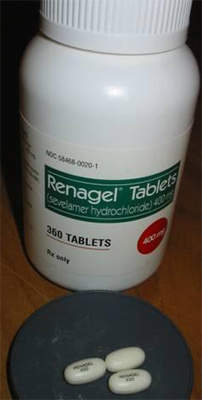
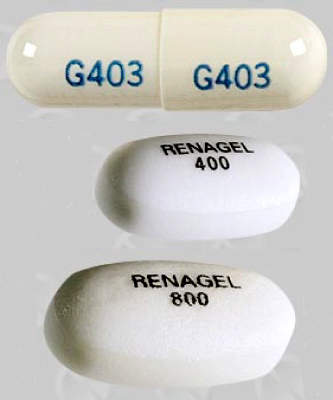
- Renagel (sevelamer hydrochloride) is a calcium-free phosphate binder that reduces phosphorus levels in hemodialysis patients. Other phosphate binders on the market today contain either calcium or aluminium, which are considerably more risky
- Thyrogen (thyrotropin alfa for injection) is used in follow-up screenings of cancer patients who have had their thyroid glands removed. Patients taking Thyrogen are no longer required to suspend thyroid supplements before their screenings, escaping the effects of hypothyroidism, which include fatigue, depression, and weight gain
