

Grifols is developing a new plasma fractionation plant in Llica de Vall, Barcelona, Spain, to address rising demand for plasma-derived medicines in Europe.
The company plans to invest €160m ($186.3m) in the first phase of the project, which is expected to add three million litres per year to its plasma fractionation capacity.
Recommended Buyers Guides

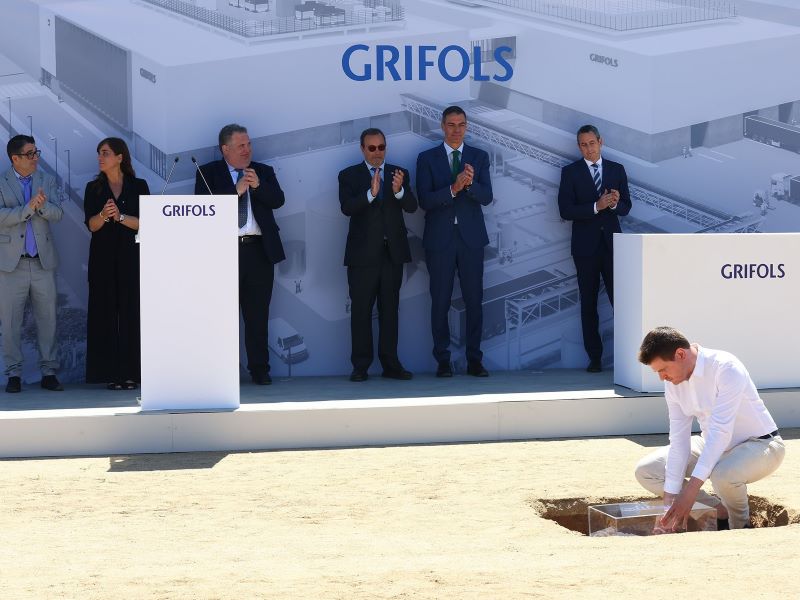
Announced in July 2025, the project broke ground in June 2026. The facility is scheduled to become operational in 2030.
Once operational, the facility is projected to create around 400 highly skilled positions. It is expected to reinforce Grifols’ industrial footprint in Catalonia and support treatment provision for more than 300,000 patients in Europe who depend on plasma-derived therapies.
The Government of Catalonia has designated the project as a strategic asset for its role in helping to reinforce the region’s strategic independence and ability to meet its own needs for plasma-derived medicines.
Location
The new plasma fractionation facility is located in the Can Gurri area of the Llica de Vall municipality, Barcelona, Spain, next to the Llevant Industrial Park in Parets del Valles.
The plant will be directly connected to Grifols’ long-established neighbouring campus in Parets del Valles, creating an integrated 25-hectare (62 acre) biotechnology hub employing more than 3,700 people.
Grifols opened its first plant in Parets del Valles in 1972 and the site now hosts a significant share of its manufacturing operations in Spain.
Grifols plasma fractionation plant details
The new fractionation plant will occupy more than 80,000m² (861,113ft²) and is an expansion to the existing 517,000ft² site that Grifols acquired in May 2020 to enhance its industrial and research capabilities for plasma-derived medicines and diagnostic solutions.
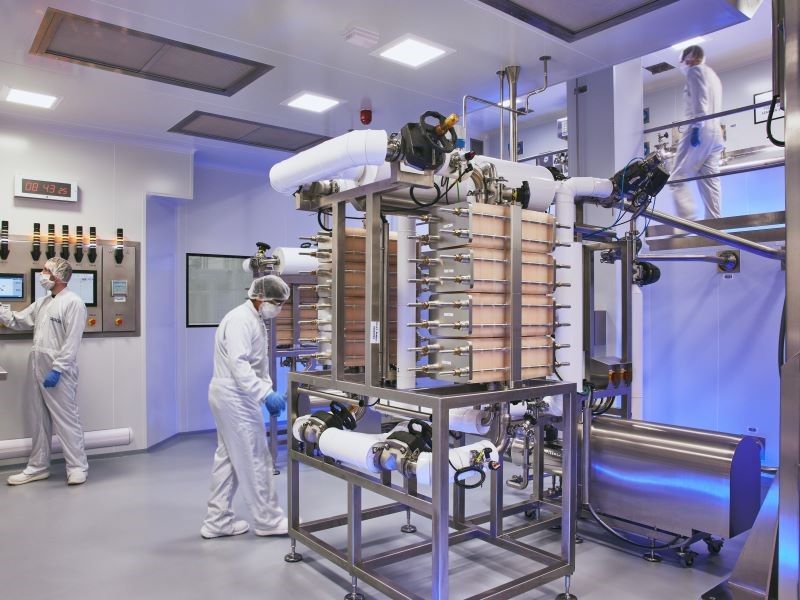
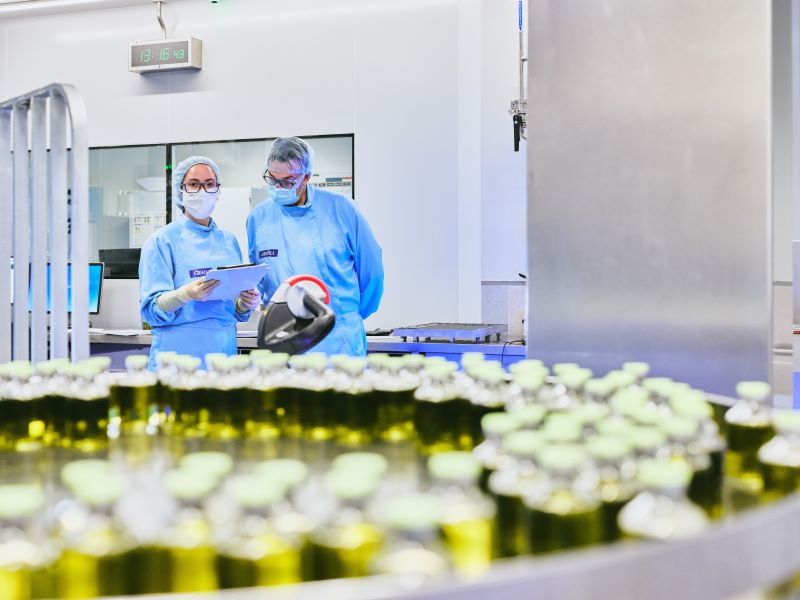
The site will house a plasma fractionation unit, logistics operations, a testing laboratory and warehouse space. It is intended to reinforce the company’s capacity to secure the supply of essential medicines including immunoglobulins and other plasma-derived therapies.
The facility is designed as a highly digitalised, automated smart facility, incorporating intelligent resource-monitoring networks, robotic systems, AI and advanced data systems to optimise production and improve operational efficiency.
Sustainability features
Grifols is incorporating energy efficiency, digitalisation and circular economy principles into the design of the Llica de Vall plant to limit environmental impact and support a long-term, resource-conscious growth model.
The campus will include intelligent systems for monitoring and managing resources to optimise energy and water consumption. These measures are intended to deliver a 15% improvement in energy efficiency, a 60% reduction in emissions and around 20% in water savings.
Circular-economy practices are being built into the project to facilitate the reuse, recycling, repair and repurposing of materials over their life cycles.
The fractionation facility is expected to run entirely on renewable electricity, and Grifols is assessing the addition of a biogas plant that could provide up to 30% of the site’s natural gas demand. The biogas installation will produce renewable energy from industrial by-products, further supporting the project’s resource efficiency objectives.
Contractors involved
Grifols Engineering, Grifols’ biopharmaceutical design and engineering business, is responsible for designing and constructing the plasma fractionation plant at the Llica de Vall site.
The fractionation complex will include a dedicated area for Grifols Engineering.
Marketing commentary on Grifols
Founded in Barcelona, Spain, in 1909, Grifols focuses on treatments across multiple therapeutic areas including neurology, immunology, hepatology, intensive care and pulmonology, as well as haematology and infectious diseases.
The company operates in more than 30 countries and regions, supplying healthcare products and solutions for chronic, rare and common diseases in more than 110 markets.
Grifols is an early entrant in the plasma industry and operates plasma fractionation plants primarily in Barcelona, Spain, and California, US. Currently, the company runs what it describes as the world’s largest network of plasma donation centres, with around 400 sites across North America, Europe, Africa, the Middle East and China. The company employs more than 25,000 people globally and generated €7.5bn ($8.9bn) in revenue in 2025.
