

On 1 May 2026, Specialised Therapeutics’ Niktimvo (axatilimab) was registered in the Australian Register of Therapeutic Goods following priority review by the Therapeutic Goods Administration (TGA). It is approved for chronic graft-versus-host disease (cGVHD) after failure of at least two prior lines of systemic therapy in adults and paediatric patients aged six years and older weighing at least 40kg. Australia is the first market to authorise the therapy following its US approval in August 2024.
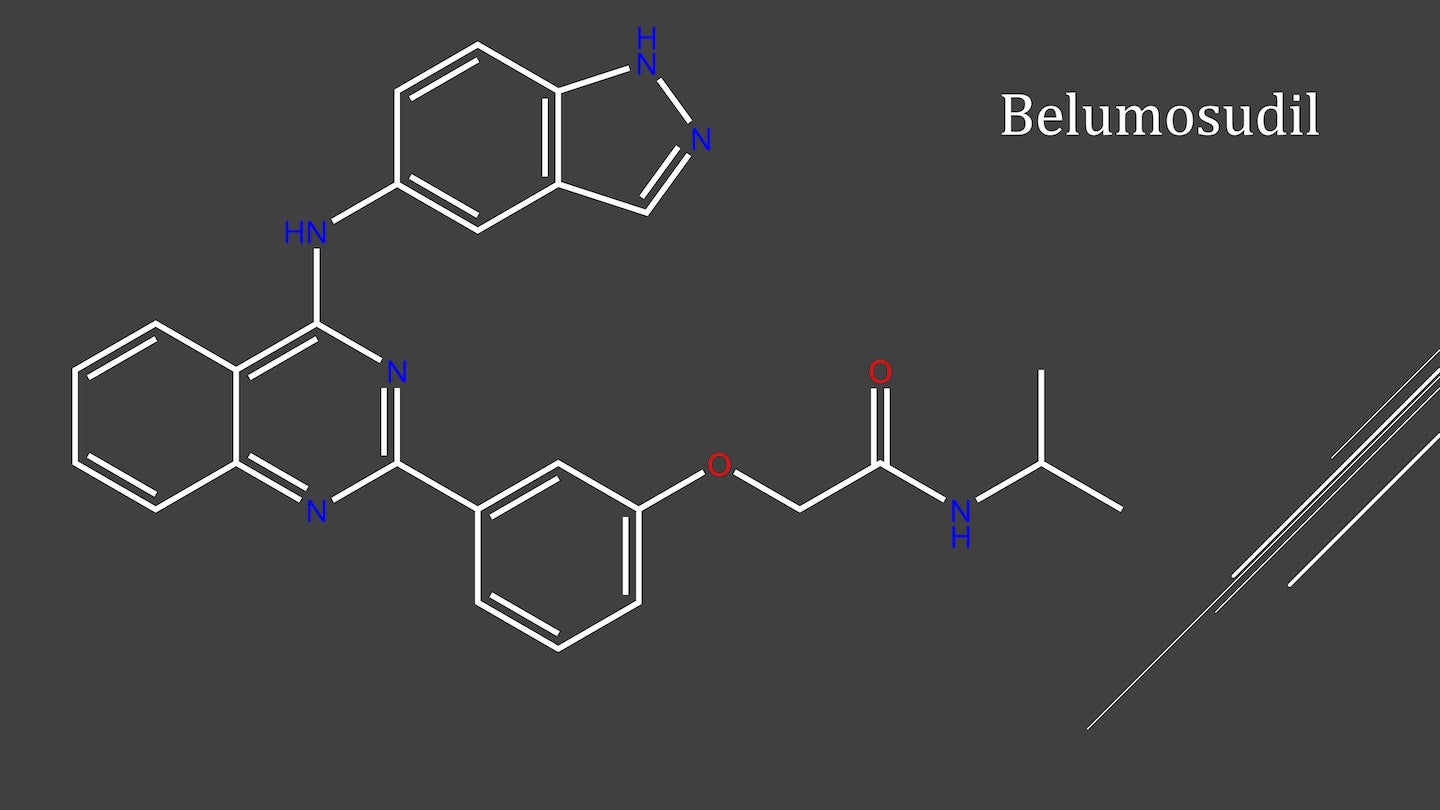
Niktimvo is a humanised immunoglobulin (Ig) G4 monoclonal antibody that blocks colony stimulating factor-1 receptor (CSF-1R). By disrupting CSF-1R signalling, Niktimvo reduces the development, survival, and activity of monocyte-derived macrophages, which contribute to cGVHD inflammation and tissue fibrosis. This mechanism differentiates Niktimvo from TGA-approved therapies such as ruxolitinib and belumosudil, and may be particularly relevant in patients with fibrotic, multi-organ disease.
Go deeper with GlobalData

The approval was based primarily on AGAVE-201 (NCT04710576), a global, open-label, randomised, dose-ranging, Phase II study in 241 heavily pretreated patients with recurrent or refractory cGVHD. Participants received Niktimvo at 0.3mg/kg every two weeks, 1mg/kg every two weeks, or 3mg/kg every four weeks. Patients were randomised among the three Niktimvo dose groups. At the approved 0.3mg/kg dose, the overall response rate was 74% (95% confidence interval [CI]: 63%–83%) by Cycle 7 Day 1 using 2014 National Institutes of Health response criteria. The TGA summary also reported that more than half of patients achieved a clinically meaningful reduction in cGVHD symptoms by month seven.
Approximately 60% of responding patients were alive and had not required new systemic therapy for at least 12 months after their initial response. Together, these findings indicate clinically relevant activity and durability in a population that had already exhausted multiple systemic options.
The Phase III REACH3 trial reported a 49.7% overall response rate at Week 24 with ruxolitinib versus 25.6% with best available therapy. The best overall response through Week 24 was 76.4% with ruxolitinib versus 60.4% with best available therapy. The single-arm Phase II ROCKstar study reported best overall response rates of 74% and 77% with once- and twice-daily belumosudil, respectively (Zeiser et al., [2021] N Engl J Med; Cutler et al., [2021] Blood). These studies used different designs, populations, and response timepoints, so the figures cannot be directly compared with AGAVE-201. The paediatric Niktimvo label is also narrower than the study’s broad eligibility, applying only to patients ages six years and older weighing 40kg or more. Ongoing pharmacovigilance will be important because Niktimvo is included in Australia’s Black Triangle Scheme.
Dose selection is important to the benefit-risk profile. Higher Niktimvo exposure was associated with more dose-dependent laboratory abnormalities and higher discontinuation rates in AGAVE-201, supporting the selection of 0.3mg/kg every two weeks, capped at 35mg. At the approved dose, common adverse reactions included fatigue, elevated liver enzymes, and infusion-related reactions. Infusion reactions occurred in 18% of patients and were Grade 3 or 4 in 1.3% of patients.
Ruxolitinib and belumosudil provide meaningful options for refractory cGVHD, but the continuing need for third-line therapy shows that some patients remain refractory, relapse, or require alternatives because of organ-specific response, toxicity, or treatment burden. Niktimvo adds a differentiated macrophage-directed mechanism, but its adoption will depend on more than overall response rate. Prescribers are likely to weigh organ-specific activity, symptom benefit, durability, safety, prior treatment history, and the operational burden of a 30-minute intravenous infusion every two weeks.
Reimbursement is the immediate access constraint. Specialised Therapeutics stated that Niktimvo was not listed on the Pharmaceutical Benefits Scheme (PBS) when the approval was announced, and added that it was exploring a reimbursement pathway. Given the small eligible population and specialist treatment setting, a PBS listing would be important for equitable access and would strongly influence the pace of commercial uptake.
Overall, the approval validates CSF-1R as a new therapeutic approach for cGVHD and provides an additional option for heavily pretreated Australian patients. Niktimvo’s near-term role is most likely to be in later-line disease while two Incyte-sponsored studies, a Phase II trial of axatilimab plus ruxolitinib (NCT06388564) and the Phase III AXemplify-357 trial of axatilimab plus corticosteroids (NCT06585774), will test whether macrophage targeting can move earlier in the treatment pathway. Reimbursement, real-world safety, and comparative positioning will determine its longer-term impact.

