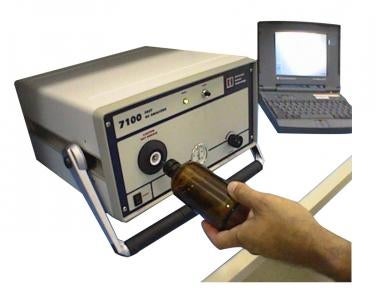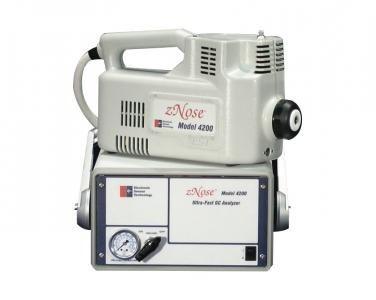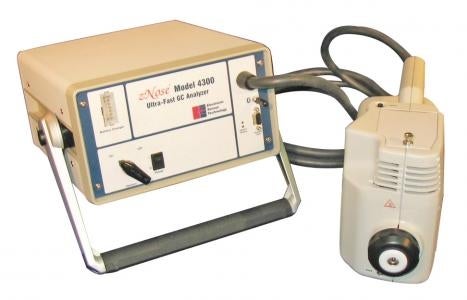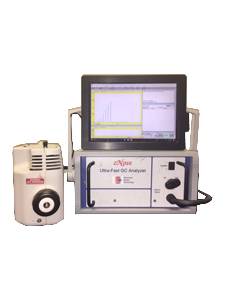

Conventional electronic noses (eNoses) produce a recognisable response pattern using an array of dissimilar but not specific chemical sensors.
Electronic noses have interested developers of neural networks and artificial intelligence algorithms for some time, yet physical sensors have limited performance because of overlapping responses and physical instability. eNoses cannot separate or quantify the chemistry of aromas.
Samples of antiseptic soap and cleaning lotion was supplied by the Nanozak corporation and manufactured by U.S. Chemical.
The antiseptic soap contained the active ingredient chloroxylenol (0.5%) as well as other ingredients such as potassium tallate, sodium lauryl sulfate, potassium cocoate, cocamide dea, phenoxyethanol, tetrasodium edta, sodium chloride and and proprietary fragrance chemicals. The cleaning lotion used the same active ingredient together with potassium tallate, sodium lauryl suflate, potassium cocoate, cocamide dea, styrene acrylates copolymer, tetrasodium edta, phenoxyethanol, and peach fragrance producing chemicals.