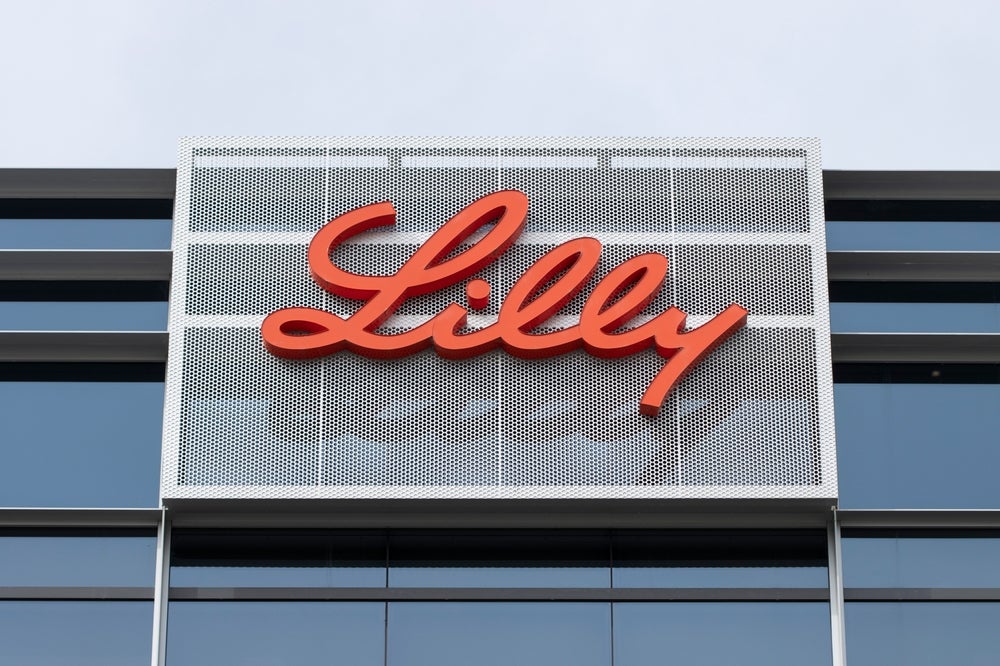
Pharmaceutical giant Eli Lilly has agreed to acquire Engage Biologics for up to $202m in cash, marking another addition to the company’s growing genetic medicines roster.
At the centrepiece of this deal is Engage’s preclinical non-viral DNA delivery platform, Tethosome, which the biotech has designed in a bid to sidestep the tolerability, potency and redosability challenges faced by other DNA delivery methods.
The platform combines a lipid nanoparticle (LNP)-delivered DNA payload with an mRNA-encoded sequence, which Engage says may boost expression and enhance localisation in tandem.
In a statement, Engage’s CEO, Will Olsen, said: “We are excited to begin our next chapter with Lilly, which has demonstrated unmatched speed and a uniquely forward-thinking approach to genetic medicine.”
“We believe that the combination of Engage’s platform with Lilly’s significant capabilities will meaningfully accelerate development of new genetic therapies,” Olsen added.
The California-based startup’s approach to DNA delivery has not just attracted Lilly’s eyes, however, as Enagage reports that seed investors like SciFounders, Cal Innovation Fund, Pioneer Fund, Y Combinator and the Cystic Fibrosis Foundation have all bet on the company. The Gates Foundation and a portion of the National Institutes of Health (NIH) have also handed over non-dilutive funds to Engage.
Lilly’s acquisition of Engage comes as non-viral approaches like LNP-based delivery systems make a mark on the genetic medicines space, with some experts noting that they could hold the potential to overcome some of the manufacturing complexities and safety bottlenecks linked to viral vectors.
Lilly continues its M&A push
As Eli Lilly revels in the success of its obesity and type 2 diabetes portfolio, which recently helped become the first pharmaceutical company to join the $1tn market cap club, the company is taking a hands-on approach to bolster its pipeline – having spent billions to acquire seven companies since the start of 2026.
Most recently, the company hedged its bets on oncology through its $2.3bn takeover of blood cancer specialist, Ajax Therapeutics and its $300m buyout of dual-payload antibody-drug conjugate (ADC) developer, CrossBridge Bio. Lilly also took the sleep drug biotech, Centessa Pharmaceuticals under its wing for $7.8bn in early April.
Lilly has taken a proactive approach to dealmaking, having inked several artificial intelligence (AI)-focused deals. This includes a $2.75bn pact with AI-powered drug developer, Insilico Medicine, and a $1bn agreement with NVIDIA to develop a co-innovation lab for drug discovery.
To further champion the potential of AI-powered drug discovery, Lilly and Nvidia will also build pharma’s “most powerful” supercomputer to shorten development cycles.