
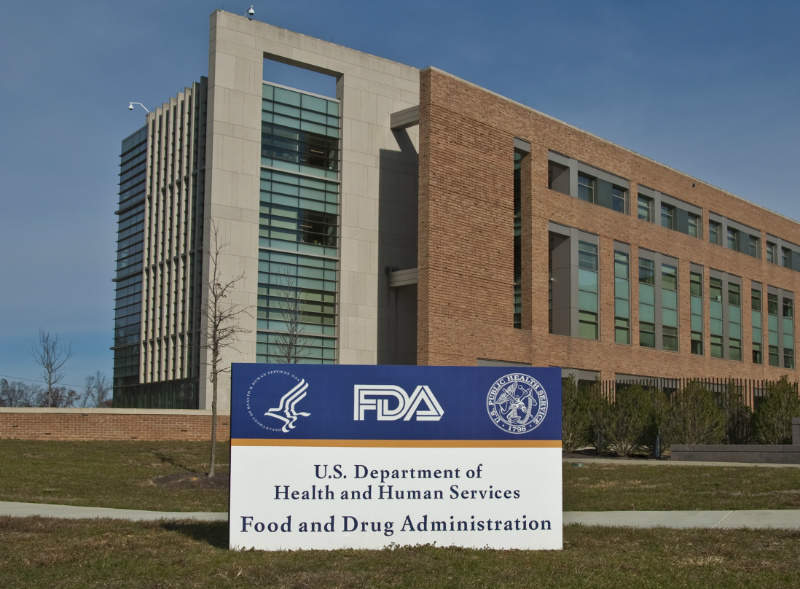
Stakeholders in the rare disease development community say that new guidance documents, released by the US Food and Drug Administration (FDA) over the past year, have delivered much-needed clarity on regulatory expectations, including what is and what is not permissible.
Since the Trump administration took office in January 2025, with Robert F. Kennedy Jr (RFK Jr) assuming the position of Health Secretary, there have been several changes in the FDA, including the release of some notable draft guidance documents for rare disease developers.
While experts broadly agree that the FDA has always been receptive and open to rare disease developers in the past, it has generally been on a case-by-case basis, making it difficult for sponsors to be sure the agency will be satisfied with a trial design. One notable example is Disc’s bitopertin - a treatment for erythropoietic protoporphyria (EPP), which faced regulatory scrutiny after the agency raised concerns about the company’s use of a surrogate endpoint.
As a result, the draft guidance documents, including the “Rare Disease Evidence Pathway (RDEP)”, the “Plausible Mechanism Pathway” and the “Innovative Designs for Clinical Trials of Cellular and Gene Therapy Products in Small Populations”, provide much-needed clarity on what designs will and will not be accepted, hopefully instilling confidence in sponsors and investors.
Clarity and innovation are crucial
Although formal guidance has been lacking, sponsors have been choosing endpoints and patient sample sizes they believe will be adequate, while recognising that the agency may not ultimately agree, says Minsu Kang, director of Regulatory and Clinical Affairs at paediatric rare disease biotech Polaryx.
“Now we have a much better idea as to what exactly the FDA is looking for, especially for ultra-rare diseases affecting less than 1000 patients in the US,” he says.

Allowing sponsors to be more innovative is also a necessity for rarer diseases, due to the types of therapies being developed, notes Laksheeta Johari, analyst at Lifescience Dynamics, a strategic decision support consultancy for life science companies.
“When sponsors are developing therapies that aim to address the root cause, while ensuring they are safe and efficacious, there needs to be flexibility in the way they design their trials, in the way the data is generated and presented, and how long they are monitoring these patients for,” she says.
Kang believes that sponsors being able to change protocols during studies is vital to ensure they can learn from a study, rather than it being inconclusive, which he believes is the worst outcome for everyone involved.
“In a failed study, we know that the drug didn't work, but an inconclusive study means we don't know if the therapy works or not because the data is unclear. Having design elements that allow us to potentially adapt a study and enrol more patients to find more conclusive answers is really helpful for everyone, and it does accelerate development programs.” Kang explains.
The release of the RDEP guidance shows that the agency recognises the challenges the rare disease space faces, Johari adds, without sacrificing patient safety. She hopes that the processes and changes in principles will allow for more development in the space, which continues to have great unmet need.
The cell and gene therapy (CGT) guidance also acknowledges the importance of studies being representative of the wider rare disease population, which is vital to avoid issues post approval, says Paul Melmeyer, Executive Vice President, Public Policy and Advocacy, at the Muscular Dystrophy Association (MDA).
“Within the guidance, we see the FDA call for study representativeness, which is very important to ensure patients enrolled in the study are representative of those who may be seeking that treatment if it is to be approved by the FDA,” Melmeyer explains.

“We also see within the guidelines that the FDA is trying to ensure that if an individual has been receiving other therapies, they're not automatically excluded from participating in CGT studies. Patients with rare diseases are, of course, going to be trying to treat that disease in any way possible, so to then be excluded from clinical trials is often very challenging.”
As beneficial as these new guidance documents are, they must be implemented consistently, says Melmeyer, to ensure sponsors have confidence in the rare disease development sector.
“One of the things that we've seen over the past year that is concerning to us is the removal of staff with the regulatory expertise to be thinking innovatively and implementing these innovative pathways. We hope that the review divisions that are going to be charged with implementing these pathways are well-resourced and that they have the experts on staff to move at the pace at which the biopharmaceutical industry expects them to move,” Melmeyer explains.
Building confidence among sponsors and investors
These new guidance documents will make the rare disease space more attractive to sponsors, especially smaller organisations, Johari believes.
“Wherever there's more formulated guidance, it also allows sponsors to properly understand how flexible they can be with the clinical trial design. I think the touch points that it allows with the FDA are very important for sponsors as well,” Johari explains.
“When it's a smaller organisation, those touch points with regulatory agencies become even more crucial, because they have a limited pool of resources, and they want to make sure they're working in the right direction. I think that having formulated guidance in place will make the process smoother as we look into the future.”

It may also encourage a greater influx of large pharma companies into rare disease development, Johari adds. The field has been dominated by smaller biotechs, yet recent deals show big pharma’s growing interest in rare disease development, including acquisitions by Eli Lilly of Adverum Biotechnologies and a partnership with MeiraGTx.
This guidance won’t just appease sponsors, but also investors who have had some hesitancy about rare disease, Kang adds.
“With recent failures, I think investors are still a little bit skittish about the rare disease space because it's still considered high risk. Having regulatory predictability does, on some level, derisk the development process. The guidance comes with meaningful and frequent conversations with the agency throughout the development process, meaning sponsors are not just waiting for the end of Phase II or pre-IND meeting to discuss any concerns.”
While it will take time to judge the full impact, for companies already active in rare disease development, the new guidance offers something long in short supply: clarity. By articulating the agency’s expectations more explicitly, these documents provide a firmer regulatory compass for trial design and execution - increasing confidence that programmes will meet required standards and, in time, improving the odds that more therapies progress successfully to approval.