

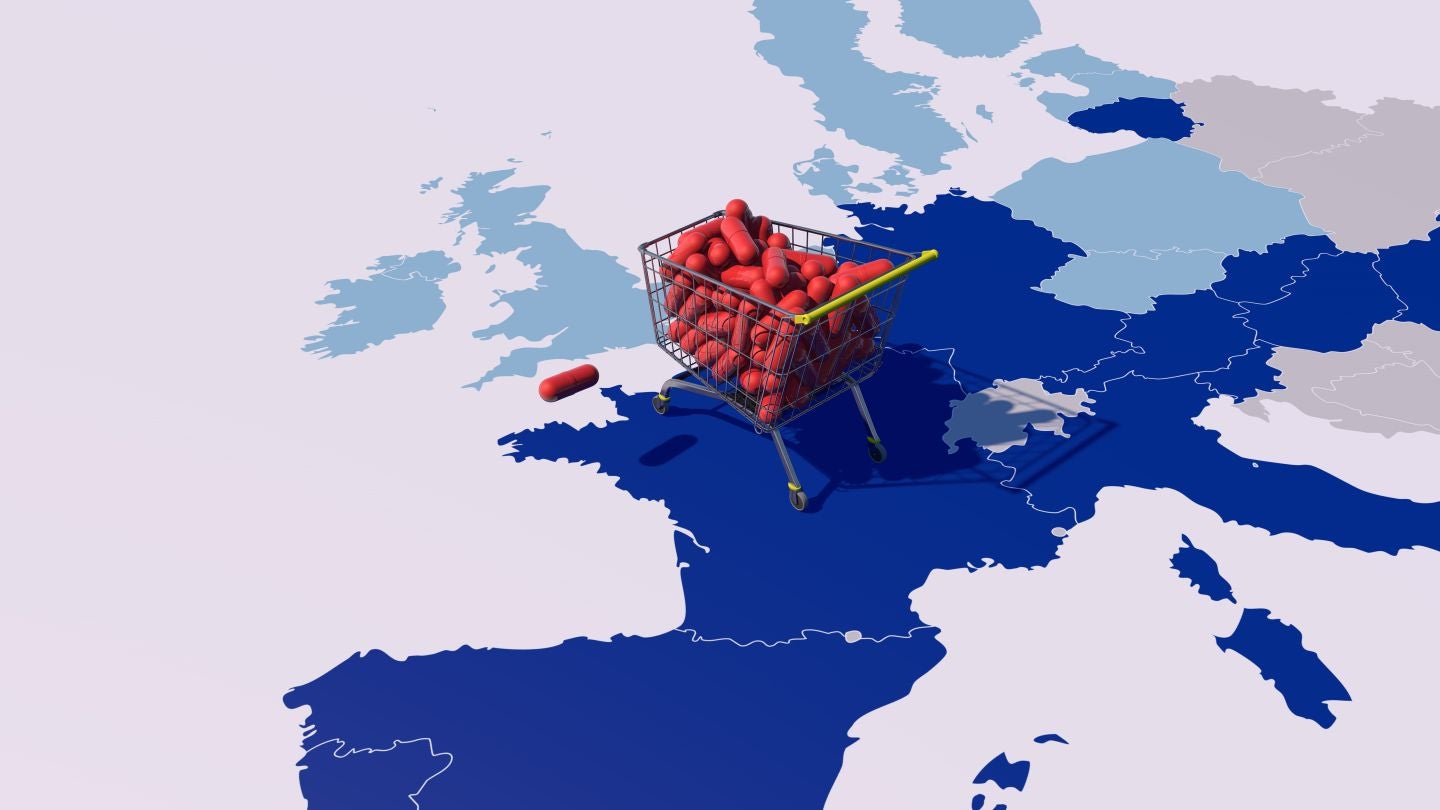
On 1 December, the fortunes of the UK pharma sector changed radically, with the UK Government becoming the first in the world to secure a 0% US import tariff on pharmaceuticals. However, while zero tariffs may give UK pharma companies such as GSK and AstraZeneca an edge over neighbouring EU and Swiss companies, whose products are subject to 15% import tariffs in the US, the accompanying terms of the deal may have even more far-reaching consequences for the UK economy, since they include measures that have been high on the wish-list for many firms investing in the UK pharma sector in 2025.
There will be a much-needed, albeit temporary, resolution to major payback problems with the government’s main cost-containment mechanism for National Health Service (NHS) medicines, the clawback-based Voluntary Scheme for Branded Medicines Pricing, Access and Growth (VPAG), by capping payback at 15% in 2026–28. There will also be a long-overdue 25% rise in the National Institute for Health and Care Excellence (NICE) cost-effectiveness threshold for the NHS provision of novel medicines. This will be the first increase in this threshold for over 20 years. The UK government has also pledged to double the portion of gross domestic product (GDP) that it allocates to innovative drugs, from 0.3% to 0.6%, over the next ten years.
Go deeper with GlobalData

In return, alongside the zero-tariff element, the US will also avoid targeting UK drug pricing practices under the Most Favored Nation (MFN) strategy.
A welcome reprieve for VPAG members with payback capped at 15% in 2026–2028
The 2024–2028 VPAG operates on a clawback model used for many decades to contain the costs of NHS prescription medicines. VPAG member companies (most pharma firms operating in the UK) pay back a mandatory levy on revenue from the NHS sales of branded prescription medicines (innovative drugs, branded generics, biosimilars, and other biologics) at annually set rates whenever annual NHS drug sales growth exceeds an allowed growth rate threshold. In 2025, the headline payback rate for newer drugs unexpectedly jumped to 22.9% (23.5% including an R&D investment component) from a relatively manageable 15.1% in 2024. This payback rate hike generated an outcry in the UK pharma sector, since a similar problem had happened in 2023, and the VPAG model had been designed in the hope of avoiding this issue. In April 2025, the Association of the British Pharmaceutical Industry (ABPI) entered in-depth discussions with the UK Department of Health and Social Care (DHSC), but the talks fell through without a resolution in August.
However, the ABPI persisted in its pursuit of a resolution to the problem, and discussions resumed in November. The extra pressure from the US administration to create a more favourable environment for pharma R&D in the UK may have been pivotal in pushing through the new cap on payback rate at 15% in 2026–2028, although a solution was urgently needed regardless, to support an acceptable new payback rate for 2026. The government and ABPI have also pledged to redesign the VPAG model to reduce its unpredictability and avoid major payback hikes in the future, but this will not need to be finalised until 2029, giving both parties breathing space.
The first increase in NICE’s basic cost-effectiveness threshold in over 20 years
For over 20 years, the standard NICE incremental cost-effectiveness ratio (ICER) acceptability threshold, which is used in health technology assessments (HTAs) to evaluate new medicines for NHS provision, has been limited at £20,000–£30,000 ($26,397–$39,594) per quality-adjusted life year (QALY) with no changes to reflect the increasing cost of medicines. However, NICE has now agreed to raise this to £25,000–£35,000 ($33,003–$46,204) per QALY – a 25% increase in the lower threshold and a 17% increase in the upper value. NICE plans to use the new ICER thresholds on new and in-progress HTAs from April 2026, but not retrospectively. NICE has estimated that the new thresholds could support NHS recommendations of an additional 3–5 innovative medicines or new indications each year. NICE will also be introducing a new value set to boost the acceptability of new medicines that improve quality of life.
US Tariffs are shifting - will you react or anticipate?
Don’t let policy changes catch you off guard. Stay proactive with real-time data and expert analysis.
By GlobalDataCould this be a long-awaited turnaround for the UK pharma sector?
The combination of VPAG risk limitation, less restrictive NICE thresholds, and a promised boost to NHS innovative drug spending could trigger a rapid turnaround in the fortunes of the UK pharma sector at the end of a particularly problematic year where companies have faced considerable challenges with pricing pressures and punitive clawback rates. These developments could allow the standing of the UK R&D sector to recover, restoring its position as a priority launch market. However, while this is excellent news for pharma in the UK, questions still remain about the affordability of these changes for the Treasury and the NHS.
This article is produced as part of GlobalData’s Price Intelligence (POLI) service, the world’s leading resource for global pharmaceutical pricing, HTA and market access intelligence integrated with the broader epidemiology, disease, clinical trials and manufacturing expertise of GlobalData’s Pharmaceutical Intelligence Center. Our unparalleled team of in-house experts monitors P&R policy developments, outcomes and data analytics around the world every day to give our clients the edge by providing critical early warning signals and insights. For a demo or further information, please contact us here.

