
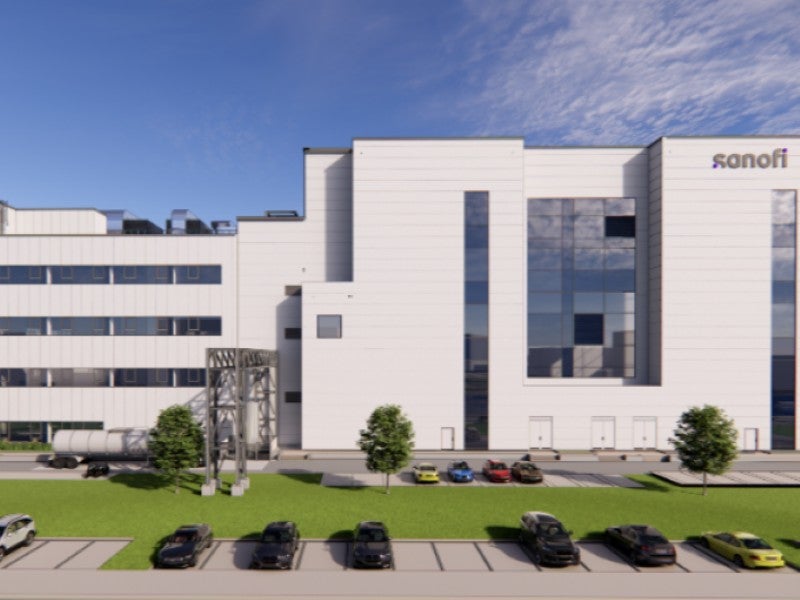
Sanofi is constructing an insulin manufacturing facility at its integrated research and manufacturing campus in Frankfurt, Germany.
The site is designated to manufacture next-generation insulin active pharmaceutical ingredients (APIs).
Recommended White Papers
Recommended Buyers Guides

Sanofi currently provides insulin to approximately 15 million people across more than 100 countries each year. The Frankfurt facility is intended to support the company’s global manufacturing network and its capacity to supply insulin over the longer term.
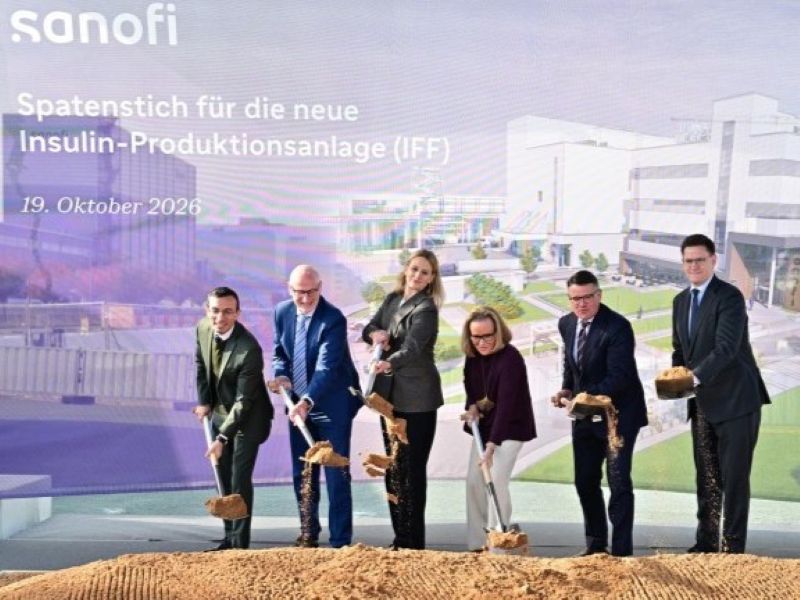
The €1.3bn ($1.47bn) project was first announced in August 2024. The project’s ground-breaking was held in October 2026.
Full commercial API output from the new facility is projected to commence in 2032 following final regulatory licensing.
Sanofi insulin manufacturing facility location
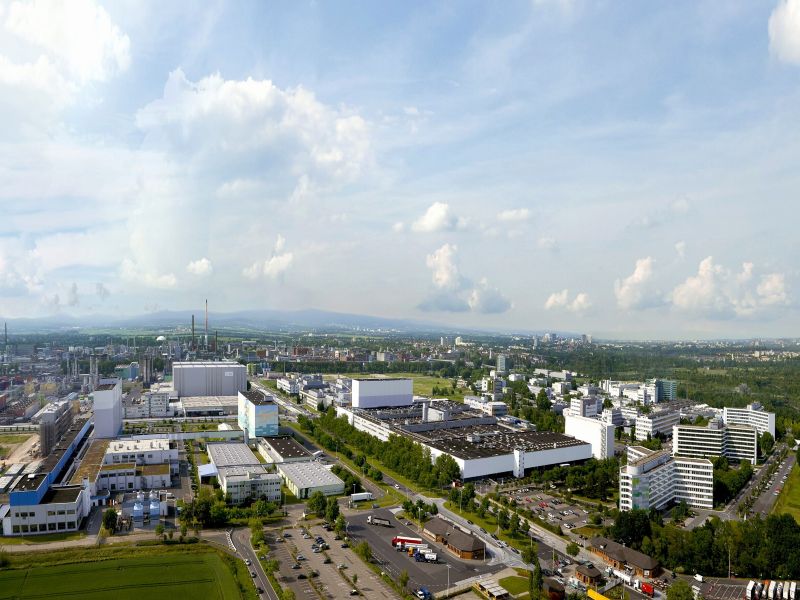
The insulin manufacturing facility is being built within Sanofi’s BioCampus in Industriepark Höchst in Frankfurt, Germany.
Spanning 460 hectares, the industrial park accommodates more than 90 chemical and pharmaceutical enterprises and employs approximately 20,000 people.
Formerly the primary manufacturing site of Hoechst, the park’s infrastructure has been operated by Infraserv Höchst since 1998. Commercial activities across the site span biotechnology, automated logistics, energy generation, resource management, and advanced research and production processes.
Sanofi insulin manufacturing facility details
Sanofi’s insulin manufacturing facility will occupy a 36,000m² (387,500ft²) footprint, which is equivalent to approximately five football pitches. It will draw on more than 100 years of manufacturing experience at Sanofi’s BioCampus in Frankfurt.
The plant is planned to incorporate advanced automated production systems, digital technologies, and AI in manufacturing and quality-control processes.
Financing details of Sanofi’s new facility
The project is being supported by the German federal government, the State of Hesse, and the City of Frankfurt under the EU’s state aid framework.
In September 2026, the European Commission (EC) approved public support and German State aid of €400m ($442.9m) to Sanofi for the project.
The funding is part of a national pharmaceutical strategy introduced by the German federal government aimed at increasing support for pharmaceutical companies, simplifying approval processes, and improving the conditions for research and development in Germany.
Structured as compensation for a public service obligation, the state aid covers the net costs incurred by Sanofi-Aventis Deutschland to safeguard insulin supplies, according to the EC.
Under the agreement, Sanofi must finish building the new production facility by the end of 2032, maintain an annual output of at least 1.1 tonnes (t) of insulin at the location through 2042, retain a 1t reserve of active substance through 2024, and give priority to European Economic Area markets during supply shortfalls.
Details of the Frankfurt BioCampus
Sanofi’s Frankfurt-Höchst campus is the group’s largest operating site globally and the second-largest insulin manufacturing facility in the world. The location has produced insulin for over a century and currently supplies approximately 35% of all diabetes patients in the European Union.
Operations at the BioCampus encompass the complete insulin supply chain, including API synthesis, fill-and-finish processing, pen and device assembly, packaging, and international distribution.
Nearly 4,000 employees work across the site’s insulin operations, which deliver approximately 20 distinct insulin formulations.
Marketing commentary on Sanofi
Sanofi is a research and development (R&D)-led biopharmaceutical company with a pipeline that spans five therapeutic areas and includes 61 compounds in clinical development, with 20 candidates in Phase III trials.
The company operates in 70 countries and provides vaccines and medicines internationally. Germany is one of its key locations, with more than 7,850 employees working across R&D, manufacturing, production, marketing, and sales.
Sanofi’s manufacturing and supply division produces approximately two billion doses of medicines and vaccines annually across 37 sites worldwide.
