


Skin disease has a growing profile in drug development. New immuno-dermatology agents, topical biologics and cell-based treatments are moving through the pipeline for conditions from atopic dermatitis and psoriasis to vitiligo and alopecia. Over 16,000 such trials were listed as completed, ongoing or planned as of December 2025 in GlobalData’s clinical trial database, with emerging markets outside Europe and North America accounting for an increasingly large share.
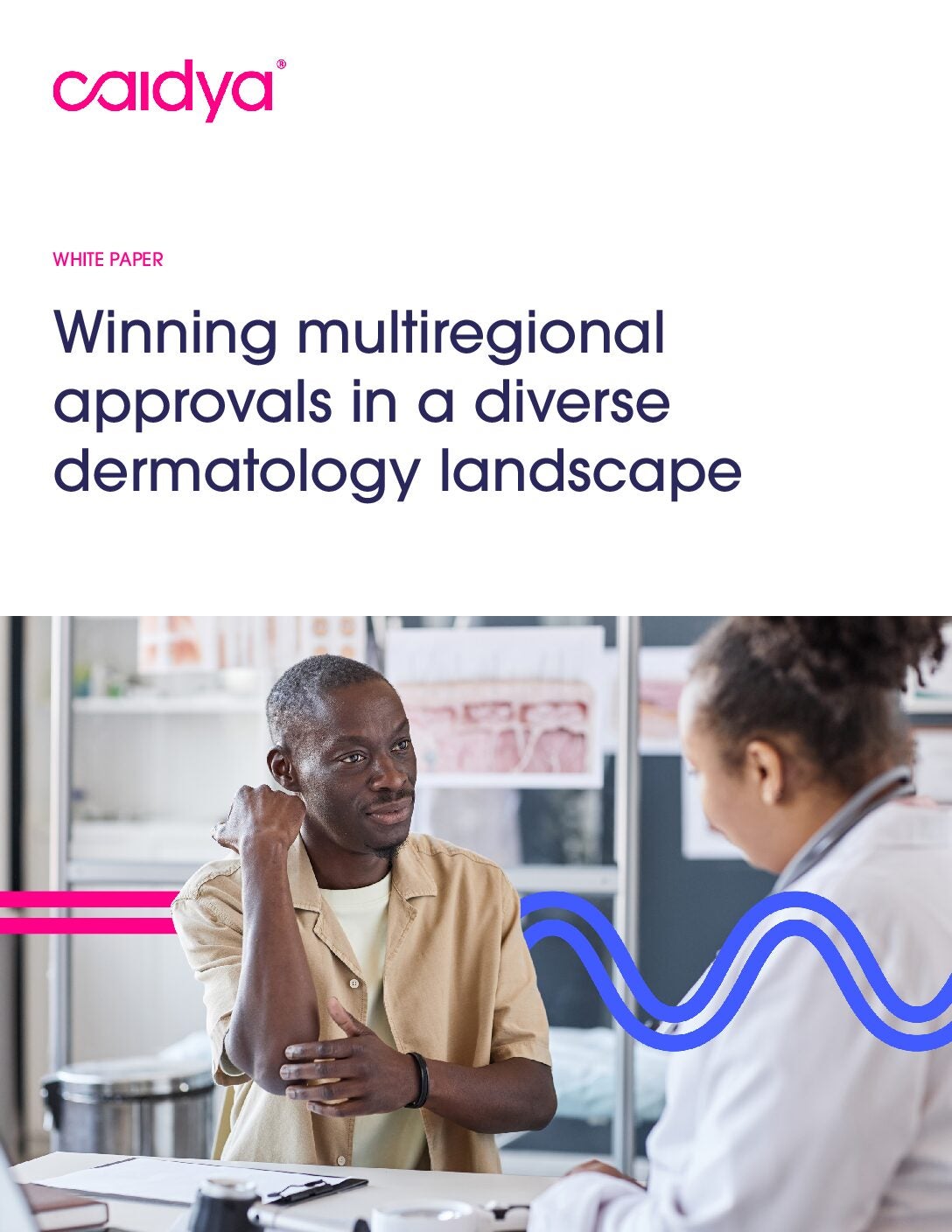
Yet the way many of these medicines are tested – frequent site visits, subjective physician scores and limited geographic reach – is a due a refresh. Medics are hoping to move toward decentralized or hybrid trials relying on novel technological components.
Across the whole clinical trial landscape, the share of studies using at least one virtual element has increased from about 5% in 2017 to nearly 10% in 2025. Mobile healthcare – such as telemedicine, home nursing and remote drug delivery – is the most common component, present in more than half of trials that use any decentralized feature; web-based tools like electronic patient-reported outcomes and eConsent come next.
Dermatology sits squarely in this shift. GlobalData’s clinical trial database shows the number of remote-first dermatology projects annually more than doubled in the period 2021-2025 compared with the prior five years. The discipline is well suited to remote approaches: disease activity is visible and can be captured with photographs or video, while many symptoms such as itch, pain and sleep disturbance can be reported directly by patients.
But there is still room for progress. With visual scoring systems widespread and slow recruitment an intractable issue – particularly for rarer conditions or studies that exclude patients living far from specialist centres – digital tools and decentralized methods offer ready answers, and are likely to see their prominence grow further.
Decentralization, dermatology and the rise of technology
What are some of the landmark digital, decentralized technologies making headway in the dermatology landscape? One is telemedicine. The pandemic demonstrated that hospital visits are not a prerequisite for high quality patient data. Telemedicine remains well above pre-pandemic levels; leading sponsors now view video consultations and home nursing as standard options when designing studies. For dermatologists, such remote visits can cover routine assessments between key in-clinic time-points, triage flare-ups, review adherence and collect safety information. Teledermatology allows investigators to maintain close contact with patients without the cost and disruption of frequent travel.
A linked advancement relates to leaps in digital imaging. During the pandemic, missed visits made clear how dependent dermatology endpoints were on in-person inspection. But readily available, high-resolution photography and standardized lighting protocols now allow consistent documentation of lesions in local clinics or even at home. When combined with clear rater-training materials for centrally-based image readers, and digital, visit-by-visit tracking of assessor reviews, these tools can reduce variability and make visual endpoints more robust than ever before.
Beyond images, connected devices are changing how symptoms and function are measured. Increasingly sophisticated wearables capture data such as heart rate, sleep, activity and even scratching behaviour in atopic dermatitis, replacing unreliable recall with continuous monitoring. These devices transmit data via Bluetooth or Wi-Fi to secure platforms where researchers can analyse patterns over time. One recent review found that, when decentralized methods like wearable-forward trials are deployed in both phase II and III, they can add around $20m in value per drug. Shorter phase durations, fewer protocol amendments and reduced screening failures amp up efficiency while maintaining research rigour.
Alongside sensors providing passive data, electronic patient-reported outcomes (ePROs) give patients a structured way to record symptoms, flares and quality of life from home. Web-based technologies such as eCOA, ePRO, eConsent and electronic diaries are used in around a quarter of trials that incorporate decentralized components. Dermatology studies depend heavily on such instruments, yet they can slow trial set-up if not implemented effectively; factors like ePRO licensing and translation need to be tackled at a trials’ proposal stage rather than languishing until site activation. But, when done well, enabling these approaches can pay dividends: digital questionnaires allow patients to log symptoms in real time, reduce missing data and enable alerts when scores cross predefined thresholds.
Making innovation work: the case for an expert partner
Yet a gap exists between the availability and efficiency on offer from digital technologies and ease of their implementation. There are many considerations. Decisions about how far to decentralize a given dermatology trial depend on disease severity, safety profile, standard-of-care procedures and the expectations of regulators. Sponsors must weave together a complex web of imaging vendors, ePRO providers, telemedicine platforms, home-care nurses and central laboratories, while maintaining clear lines of responsibility and coherent data flows.
Hasty digital implementation risks overcomplicating a protocol rather than streamlining it. This is where specialist partners come in. Contract research organizations can focus on developing tailored study models across the development journey, from pre-IND strategy to post-marketing work. Caidya, for instance, has supported 38 dermatology studies involving 6,619 patients and 1,229 sites across phases I-IV in a huge range of indications. In-house dermatologists and experienced project leaders are part of the package. That experience matters when sponsors are selecting appropriate visual scales, defining training needs and deciding which assessments can safely move out of the clinic.
Caidya’s decentralized and patient-centred philosophy fits the direction of movement in clinical research. Its rare disease experience means the organization is used to accommodating carers, flexible visit schedules and mixed on-site and remote assessments, all features that can be transplanted into an evolving dermatology landscape that puts the patient first. With central data review capabilities and real-time transparency tools, sponsors can see how a trial is performing and adjust quickly if recruitment lags or protocol deviations emerge.
None of this eliminates the scientific and operational challenges of developing new dermatology treatments. It does, however, shift the balance. Instead of asking patients to mould their lives around a trial, decentralized, digitally supported designs allow the research to fit more neatly around everyday reality. For sponsors willing to embrace these methods – and to work with partners that combine dermatology know-how with modern delivery models – the reward is faster, more resilient trials, richer data and a study population that better reflects the people who will one day use the medicine.
Barriers to implementing technologies that take trials out of labs and put them in patient homes still seem daunting for many researchers. But by listening to patients, meeting them where they are and forging global partnerships to support them, well-trodden pathways for success are being established all the time. To learn more about what these pathways are, their specific applications in dermatology and the CROs like Caidya leading the way in making them more accessible than ever before, download the whitepaper on this page.
