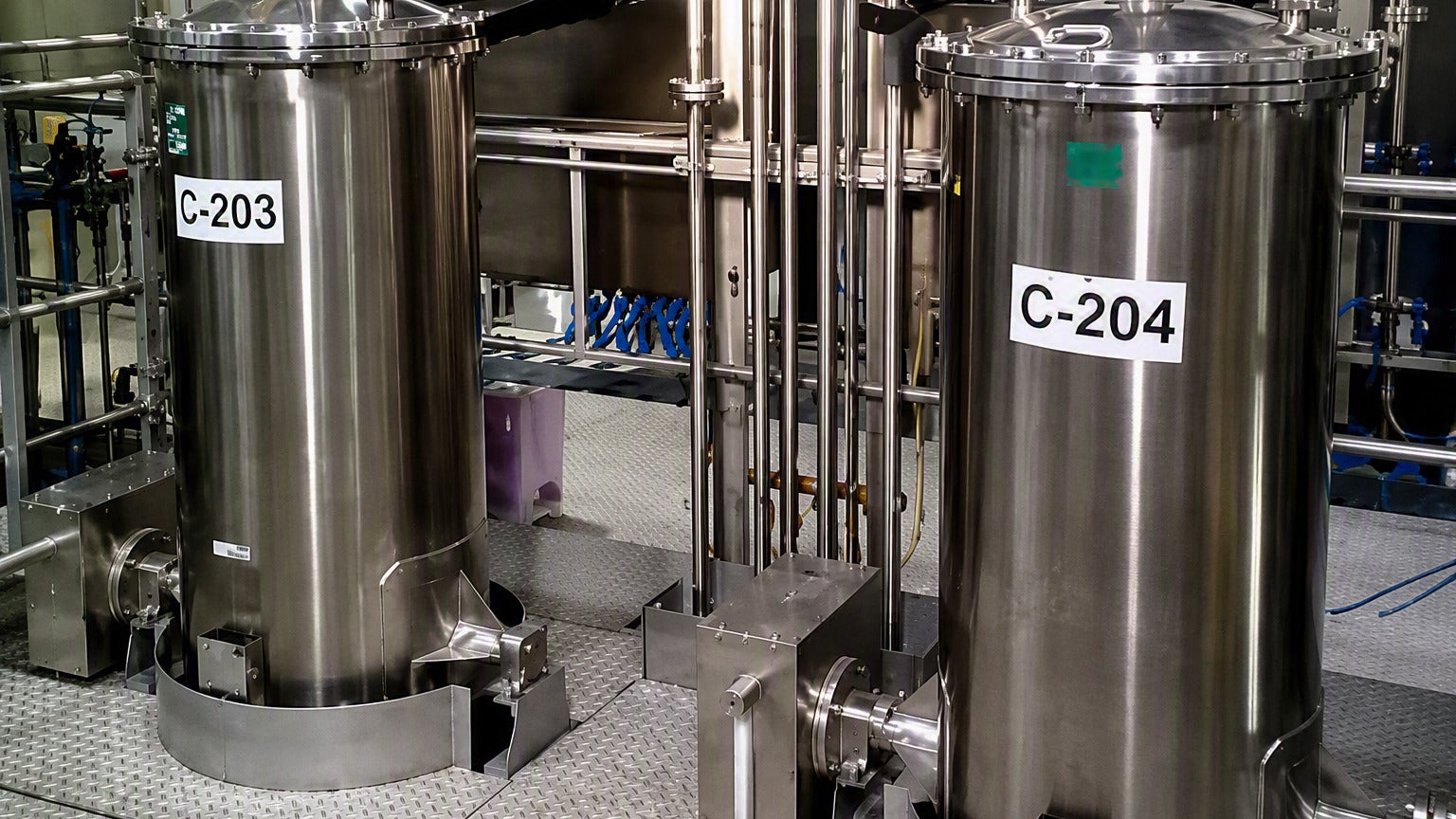

Fermentation
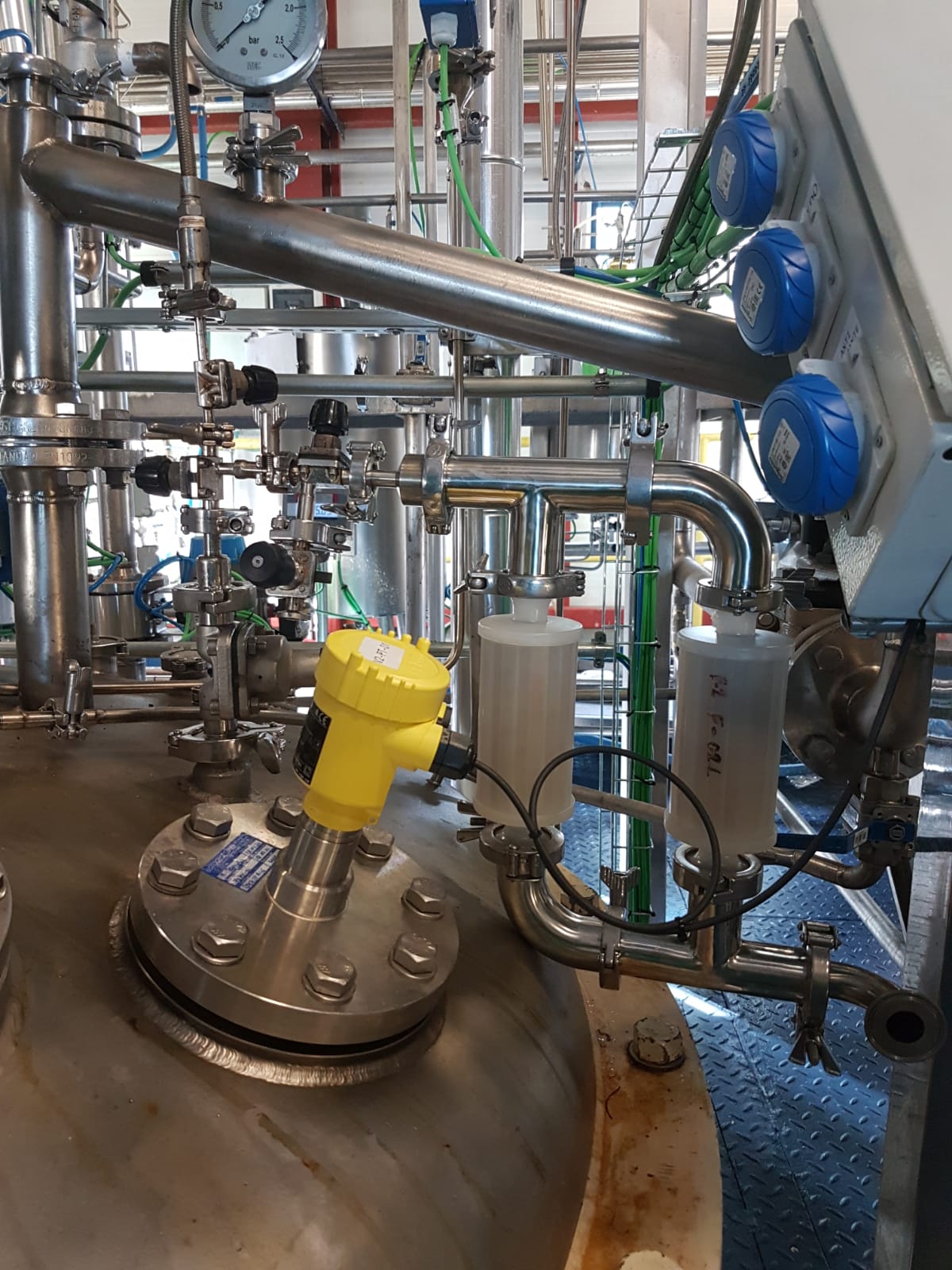
Modern drug development increasingly relies on manufacturing technologies that can efficiently produce complex molecules while supporting sustainability goals. Curia’s fermentation platform enables the development and commercial production of biologically derived compounds through integrated expertise in microbial processes, biotransformations, purification, and scale-up.

The company supports programmes from early process design through GMP manufacturing, helping customers transition from laboratory concepts to commercial supply. Curia’s multidisciplinary teams work with a wide range of microbial systems and apply advanced process engineering approaches to improve productivity, robustness, and scalability. Complemented by extensive downstream processing capabilities and chemical development expertise, these services can be adapted to diverse applications ranging from pharmaceutical ingredients to speciality compounds.
Curia’s facilities are designed to support projects at different stages and scales. Curia provides a flexible pathway for organisations seeking alternative manufacturing routes that combine scientific innovation, operational efficiency, and commercial readiness.
Whitepaper abstract
“Small molecule APIs remain the backbone of pharmaceutical development, yet traditional chemical synthesis is increasingly being complemented—and in some cases transformed—by advances in microbial fermentation. This white paper explores how recent breakthroughs in synthetic biology, strain engineering, analytical technologies, and process control are expanding the role of fermentation as a sustainable and commercially viable manufacturing platform for small molecule drug substances. Fermentation offers several advantages over conventional chemical routes, including the ability to access complex molecular structures, reduce hazardous waste, improve safety, and enable more efficient production processes.
The paper examines how engineered microorganisms, supported by advances in genomics, bioinformatics, artificial intelligence, and high-throughput analytics, are enabling higher yields, improved product purity, shorter development timelines, and the creation of novel therapeutic molecules. Real-world case studies highlight successful applications in the production of cannabinoids, antibiotics, steroid intermediates, and other high-value compounds.
The discussion also addresses the integration of biotechnological and chemical synthesis approaches, demonstrating how hybrid manufacturing strategies can optimise efficiency and scalability. Finally, the paper outlines the future of fermentation-driven pharmaceutical manufacturing and showcases how Curia’s expertise in upstream and downstream processing, scale-up, and process development helps partners bring innovative therapies to market more sustainably and effectively.”
For more, please download the whitepapers on the following pages: