The US Food and Drug Administration (FDA) has taken another step away from animal testing – this time through draft guidance encouraging the reduction or cessation of non-human primate toxicity studies in preclinical monoclonal antibody (mAb) development.
The agency’s aim with the framework is to help modernise the non-clinical mAb evaluation process while also improving efficiency for companies moving away from laboratory primate-centric safety testing.
Instead of animal testing, the FDA will focus on human-relevant models when making regulatory decisions. Such models include organoids, computational toxicology and real-world data.
According to the FDA, the move away from primate testing will offer notable savings to the pharmaceutical industry, which is currently subject to costs of up to $50k per animal in routine toxicology testing.
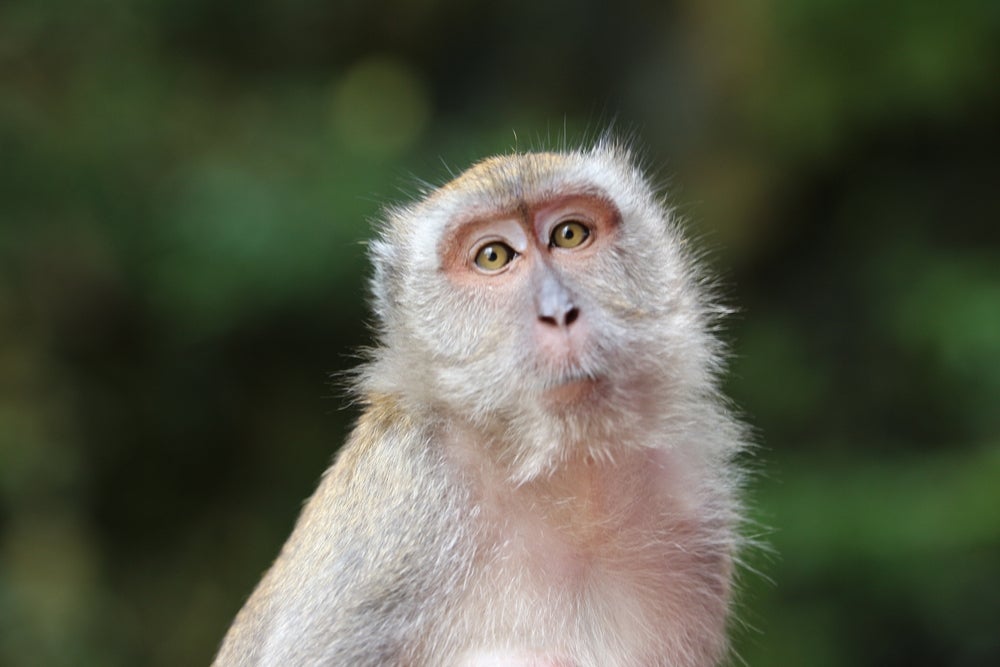
Macaque monkeys is the most common species used for drug testing because of its shared physiology with humans. FDA drug safety regulations mandate testing in two species: one rodent and one non-rodent mammal.
Alongside hefty costs associated with primate testing, the industry has raised concerns about the complexities and drawbacks of testing on primates, while many have ethical quandaries on their use in preclinical R&D.
In a 2 December statement, FDA commissioner Marty Makary noted that the new scheme will help reduce time to market for medicines, while “lowering research and development costs”. According to Makary, this could subsequently translate into lower drug prices upon market entry.
He also touted the use of new approach methodologies (NAMs), which include 3D bioprinted tissues and organ-on-a-chip models, as “far more effective and humane” than animal safety testing methods.
Contract research organisation (CRO) Charles River applauded the FDA’s decision.
“This is an area where a wealth of data exists, and the FDA has now provided regulatory guidance to allow the industry to further embrace the 3Rs: replacement, reduction and refinement,” a spokesperson told Pharmaceutical Technology.
Regulators push for animal-to-NAM shift
The FDA’s call to phase out primate toxicology assessments follows its recent move away from animal testing, which saw the agency recommend “more effective, human-relevant” models such as AI and lab-based systems. The scheme was initially rolled out to encourage companies to use NAMs in the preclinical development of specific mAbs.
Just a few days before the FDA debuted its new animal testing framework, the European Commission (EC) introduced Directive 2010/63/EU1, which was debuted with the aim of “protecting animals as sentient beings”.
The UK’s Medicines and Healthcare Regulatory Authority (MHRA) has also followed suit, investing £60m ($79m) to support its efforts in diminishing the use of animal testing across the nation. The UK Government has specifically called for pharma and biotech companies to consider alternatives – including 3D bio-printed tissues and organ-on-a-chip models during the preclinical testing process.
In conversation with Clinical Trials Arena, sister publication to Pharmaceutical Technology, Charles River’s corporate vice-president and chief scientific officer for safety assessment Steve Bulera stated that NAMs will soon dominate the space, but “not overnight”.