Recent policy agreements with the US may create a favourable outlook for the UK’s pharma landscape, despite recent concerns about the country’s attractiveness to the sector.
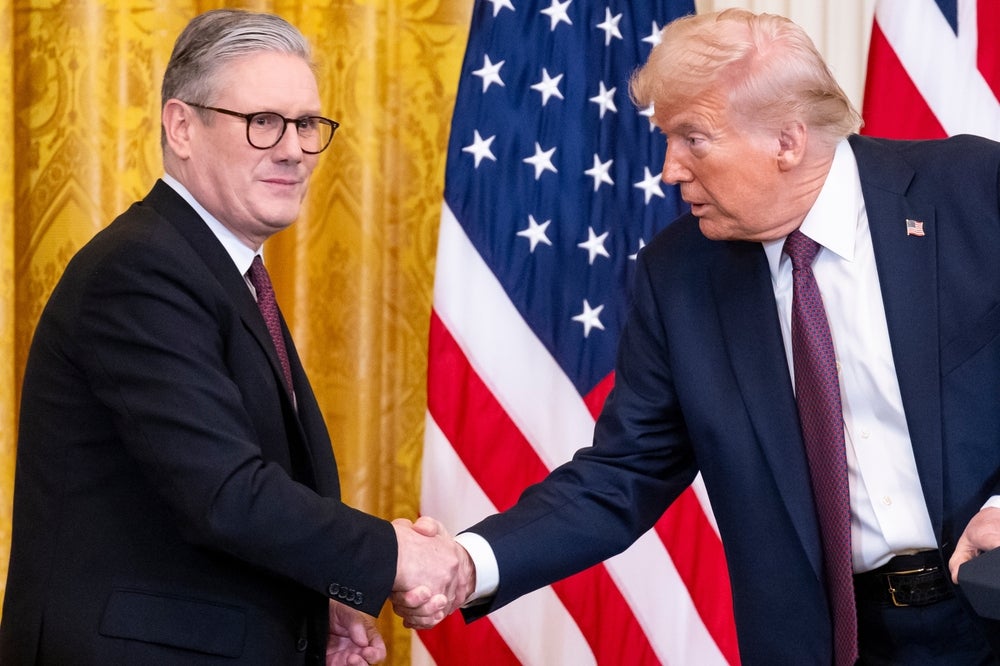
In December 2025, the UK became the first country to strike a zero-rate deal on pharmaceuticals imported into the US. Many countries across the world have been eager to strike deals with the Trump administration to receive either low rates or completely avoid trade penalties. The UK-US deal was seen as a favourable outcome for the British life sciences scene. For example, the European Union (EU) will pay the US a tariff rate of 15% for pharmaceuticals as part of a trade deal agreed in July 2025.
Edita Hamzic, healthcare analyst at GlobalData, says: “Zero-tariff access to the US, combined with more predictable and generous domestic pricing, gives the UK a rare structural advantage in attracting early launches, clinical trials, and high-value manufacturing.”
Under the deal, the US government said it would neither impose tariffs on UK-origin pharmaceutical products nor target UK pharmaceutical pricing practices – an exemption which has been in place for three years.
In exchange for this pledge, the UK will pay 25% more in net price for new medicines on the UK National Health Service (NHS). The deal will also bring changes to the Voluntary Scheme for Branded Medicines Pricing, Access and Growth (VPAG), a framework that has come under scrutiny for hampering access to innovative medicines in the UK.
Hamzic comments: “Pharmaceutical investment decisions are increasingly being shaped by policy durability rather than cost alone. The UK’s combination of tariff-free US access and improved domestic pricing creates a compelling near-term proposition for early launches and advanced manufacturing, particularly for innovators seeking speed and predictability.”
The agreement with the US administration was a major boost for the UK life sciences industry, which has come under fire in the past year for its lack of attractiveness on the global stage.
A report by the Association of the British Pharmaceutical Industry (ABPI), a trade body, said that the UK is at risk of losing its world-leading life sciences status due to investment being captured elsewhere on the international stage.
The pharmaceutical industry is a critical cog in the UK Government’s long-term plans to boost the life science sector, contributing £17.6bn ($23.6bn) in direct gross value added (GVA) annually to the economy. However, the UK now lags behind other countries such as Ireland, France, and Germany in terms of foreign direct investment (FDI).
At the time of the US-UK trade deal, Richard Torbett, ABPI’s chief executive, said the agreement “should put the UK in a stronger position to attract and retain global life science investment and advanced medicinal research”.
The British pharma scene was rocked when US big pharma company MSD announced it had scrapped plans for a £1bn expansion in London due to the poor commercial outlook in the UK. However, since penning a deal with Trump, UK government ministers have cited multi-billion-pound commitments from Moderna, Bristol Myers Squibb (BMS), and BioNTech. This reflects confidence regarding tariff certainty and pricing reforms amid a strengthening R&D and manufacturing base in the UK.
BMS’s CEO, Chris Boerner, previously said the company anticipates being able to invest upwards of $500m over the next five years in the UK on the back of government commitments and increased investment in innovative medicines.
As for the US, Trump has already secured pricing deals with many of the major drug developers as part of the Most Favored Nation (MFN) pricing policy. Last week, AbbVie committed $100bn to its US R&D footprint over the next decade as part of a pricing deal with the White House.
As per GlobalData’s Bio/Pharmaceutical Outsourcing Report, nearly $500bn in US R&D and manufacturing investment has been pledged outside MFN deals, but uncertainties remain due to other ongoing investigations into US national security.
The analysis comes amid a potential spiralling in trade relationships over President Trump's desire to annex Greenland. Trump has threatened tariffs on a multitude of countries, including the UK, if a deal to buy Greenland from Denmark is not reached.