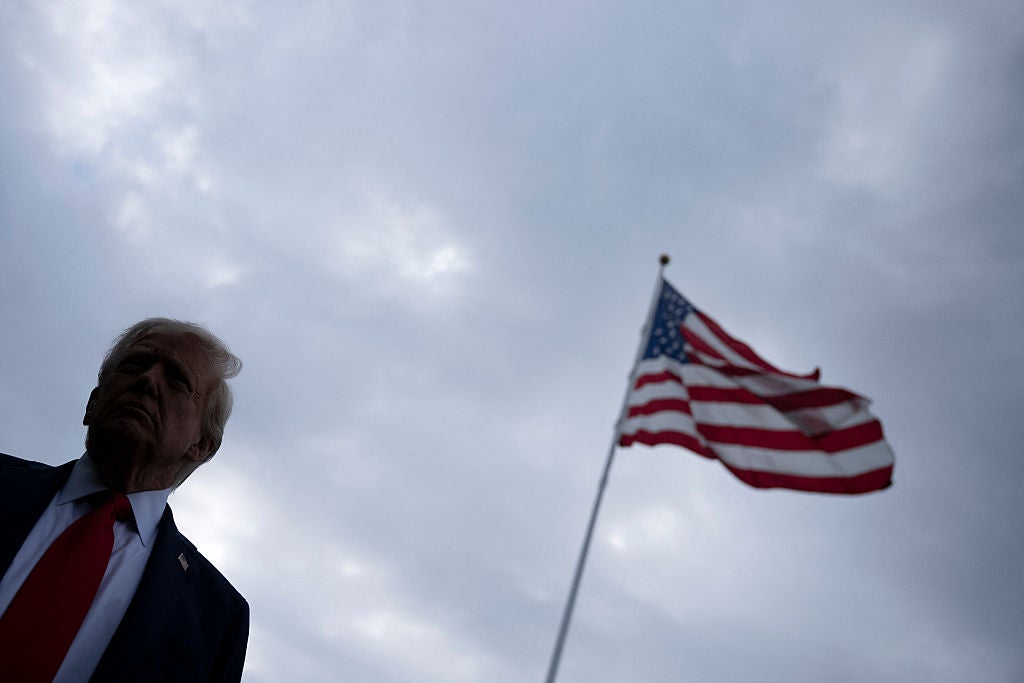
The US is poised to leave the World Health Organization (WHO) as the one-year countdown of legal notice comes to an end, despite warnings from the agency’s chief on adverse public health consequences.
President Donald Trump set the wheels in motion for the country’s departure back in January 2025, signing an executive order (EO) outlining his formal intention for the US to withdraw from the WHO on his first day in office. As per US law, a year’s notice is required before leaving, along with paying outstanding fees.
According to news agency NPR, the US has failed to pay its WHO membership dues, which were a total of $260.6m for 2024 and 2025, contradicting the country’s original 1948 agreement with the health agency.
A spokesperson for the US Department of State told Pharmaceutical Technology that the EO “explicitly pauses the future transfer of any United States Government funds, support, or resources to the WHO.”
The spokesperson added: “The WHO’s failure to contain, manage, and share information with the global community cost the US economy between $14tn and $16tn. The American people have paid more than enough to this organisation, and this economic hit is beyond a down payment on any financial obligations to the organisation.”
A WHO spokesperson told Pharmaceutical Technology: “The US reserved its right to withdraw from the organisation on a one-year notice, provided however that the financial obligations of the United States to the organisation shall be met in full for the organisation’s current fiscal year.”
The spokesperson added that “the matter is on the agenda” of an upcoming executive board meeting.
Trump has been vociferous in his issues with the WHO, citing the health agency’s “political sways”, “mishandling of Covid-19”, and “unfair payment demands”. Historically, the US is the largest contributor to WHO. Under former president Joe Biden, the US gave the WHO $1.28bn. This amounted to 12-15% of the WHO’s total budget, though voluntary contributions increased this number by an extra 5%.
WHO’s director-general Tedros Adhanom Ghebreyesus has previously said that the withdrawal of the US from its ranks makes the world less safe. Ghebreyesus said that he “deeply regretted” the decision, adding that the consequences on public health extend to the rest of the world. He hopes the US will reconsider its decision.
In a January 2025 statement, Avril Benoît, CEO of Doctors Without Borders/Médecins Sans Frontières in the United States, said: "President Trump's decision to withdraw from the WHO could have life-threatening consequences for people in the humanitarian contexts where we work as well as in the US.”
WHO revamps amid US funding gap
Relationships between the US and the WHO were further fractured in the past year after Trump significantly cut the amount it spends on foreign aid. Around $68bn was spent by the US on international aid in 2023. Pauses in several health programmes that were made in 2025 mean that HIV, malaria and tuberculosis treatment services in low-income countries have slowed.
Amid the impending funding shortfall left by the US, WHO member countries will pay 20% more in membership fees as part of a revamped budget agreed in May 2025. The 2026-2027 annual budget was approved at $4.2bn, a knockdown from the WHO’s previous aim of $5.3bn. At the time, WHO cited financial constraints on the downsizing.
China has pledged to provide $500m in additional funding to WHO over the next five years, aiming to increase its global health influence as the US focuses on domestic policies.
In a perceived win showcasing unity, WHO member states adopted the world’s first Pandemic Agreement. The framework, signed at the World Health Assembly in May 2025, includes a variety of measures to shore up the world’s infectious disease defences via health initiatives and instilling a ‘One Health’ approach.
Amid its shift away from the international health stage, the US turned much of its focus to domestic health agendas. Celebrating a year of the Trump’s administration second term in office, US Food and Drug Administration (FDA) commissioner Marty Makary outlined the most important reforms at the agency over the past 12 months.
Top 10 reforms at @US_FDA in Year 1 of the Trump administration. 🧵
— Dr. Marty Makary (@DrMakaryFDA) January 21, 2026