
The US Food and Drug Administration (FDA)’s “radical transparency” approach may have provided a more direct method, but it has also meant lax standards around information disclosed in policy announcements, casting questions on which need to be taken seriously.
In July 2025, the FDA put forward its intention to provide more transparency by releasing complete response letters (CRL), which are issued to explain why drugs fail to secure approval. The aim was to end “a guessing game when navigating the FDA,” according to now-ousted commissioner Dr. Marty Makary.
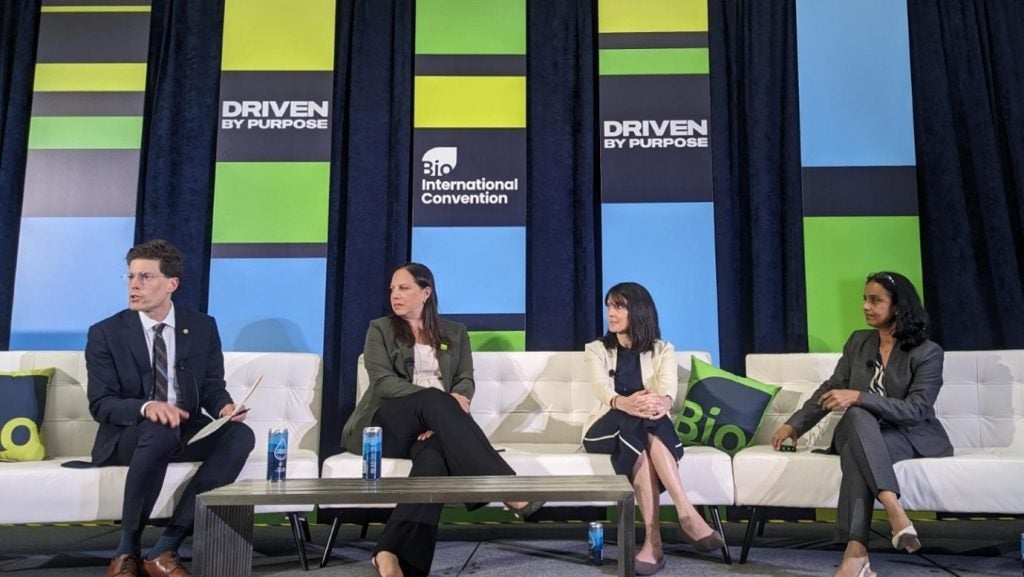
But former FDA staff said the broader commitment to openness has, in fact, introduced a new kind of confusion. While speaking at a panel at the 2026 BIO International Convention in San Diego, 22–25 June, they contend that more lax standards for agency announcements have left developers guessing which represent true FDA policy.
There have been calls for the FDA to provide more details in CRLs for years, according to Joe Franklin, BIO’s chief legal and policy advisor and former senior advisor to the FDA Commissioner. But while the current agency has taken greater action than other administrations, there are limits to what can be done, he said.
In some cases, it isn’t legal to publicly disclose certain information. With limited FDA staff following mass redundancies, it is impractical to engage in lengthy negotiations with companies over redactions, said former FDA chief of staff Elizabeth Jungman, now partner at Hogan Lovells. Even where CRLs are extensive, citing too many concerns confuses which issues are key to the agency’s decision to reject a filing, added Hilary Marston, principal at Canal Row Advisors and previously chief medical officer at the FDA.
In a wider gesture towards improving transparency, official policies have at times been announced via articles published by Makary and Dr. Vinay Prasad, former head of the Center for Biologics Regulation and Evaluation (CBER). This includes guidance restricting Covid-19 vaccine boosters.
With Prasad gone, it is unclear if these announcements represent his opinions or the FDA’s , according to former FDA Europe director Ritu Nalubola, who is now director of life sciences and healthtech at the Marwood Group.
Jungman and Marston also recalled times in the past when requirements for FDA press releases were more stringent. With more lax standards, they and Nalubola agreed that drug developers now find that true FDA policy has become more vague. Their advice for companies was to resist reacting too decisively to day-to-day announcements and operate only on basic, official FDA guidelines where possible.