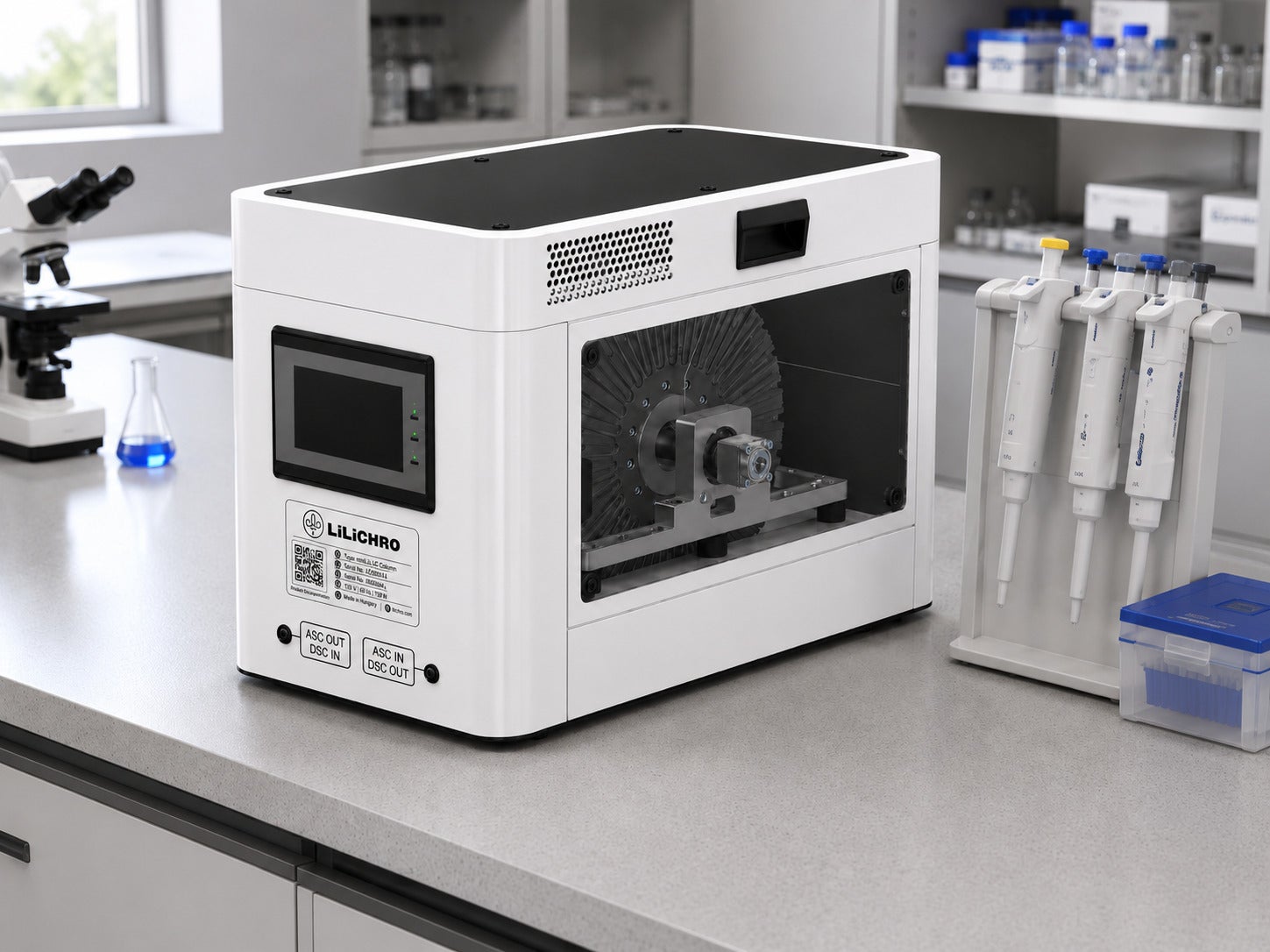
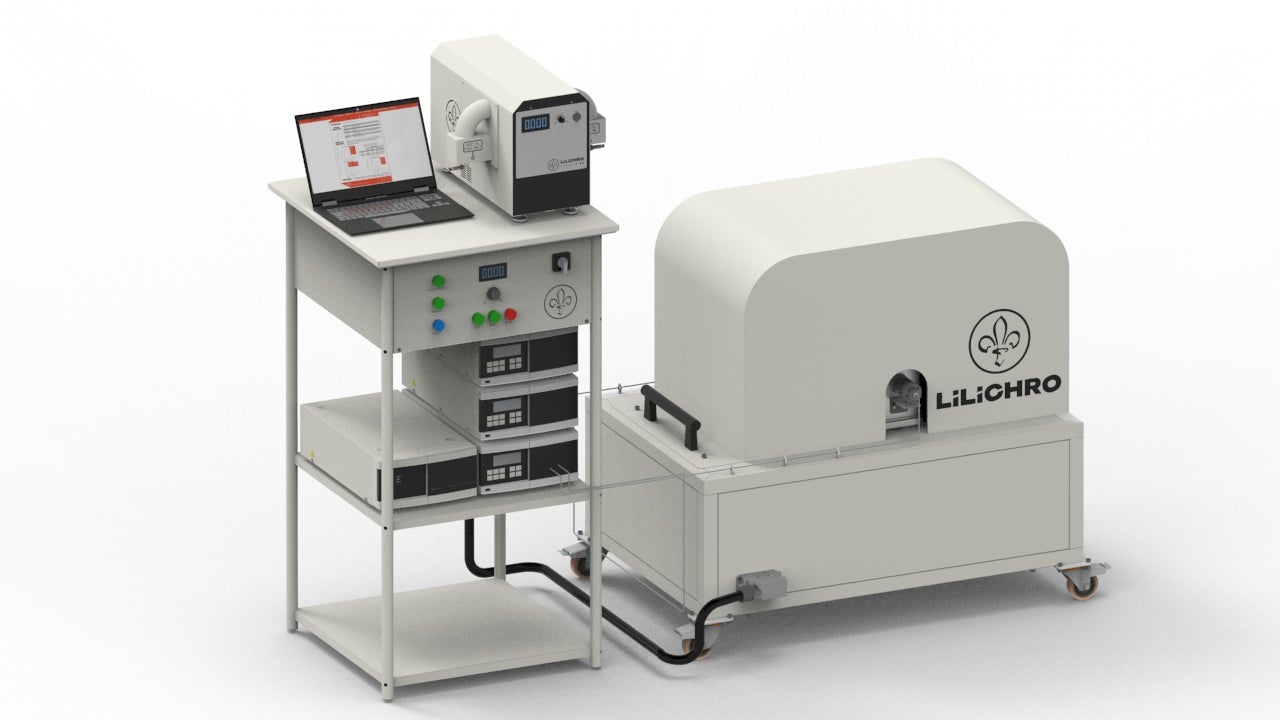
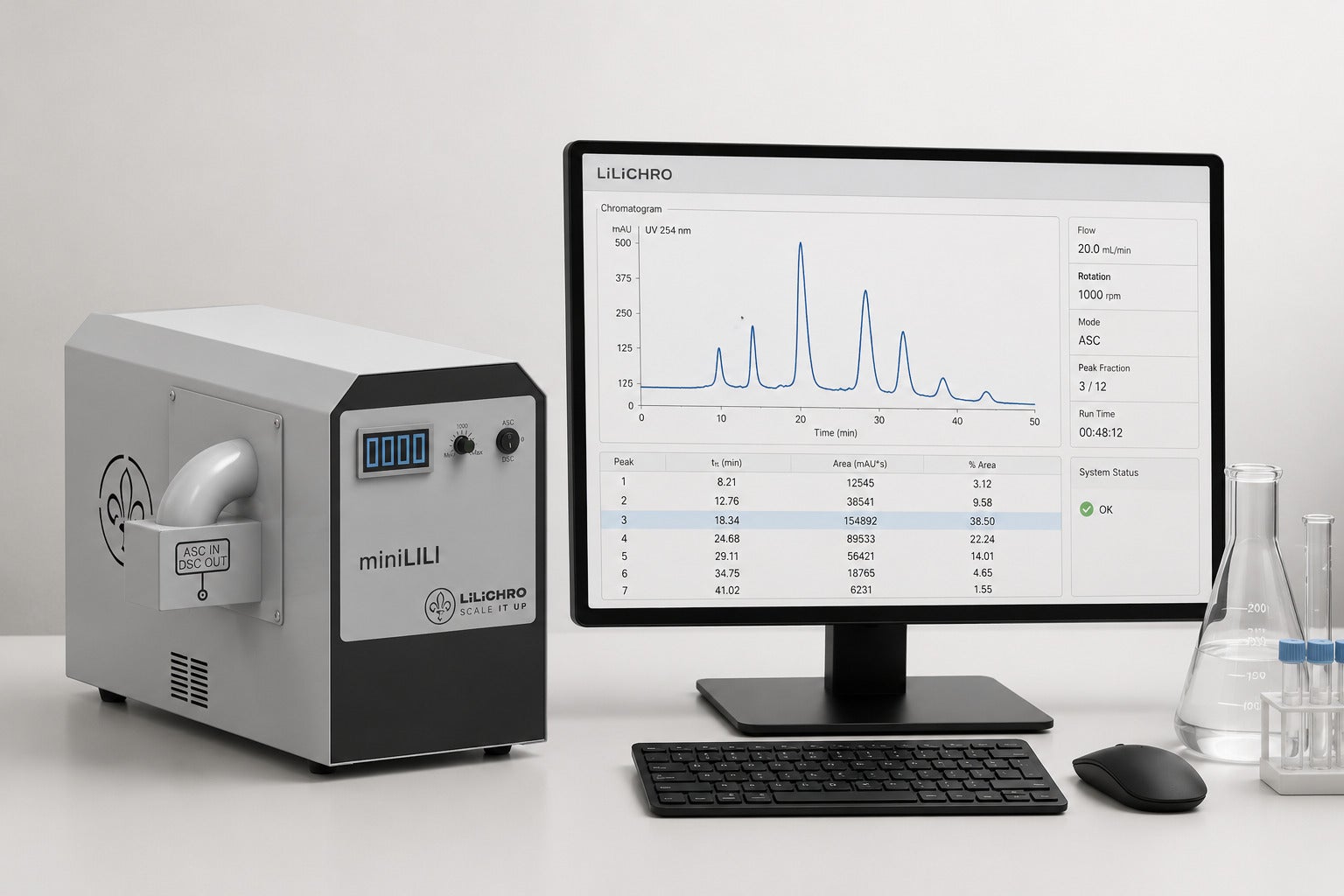
Why Centrifugal Partition Chromatography Can Feel Like a Nightmare for Chromatographers
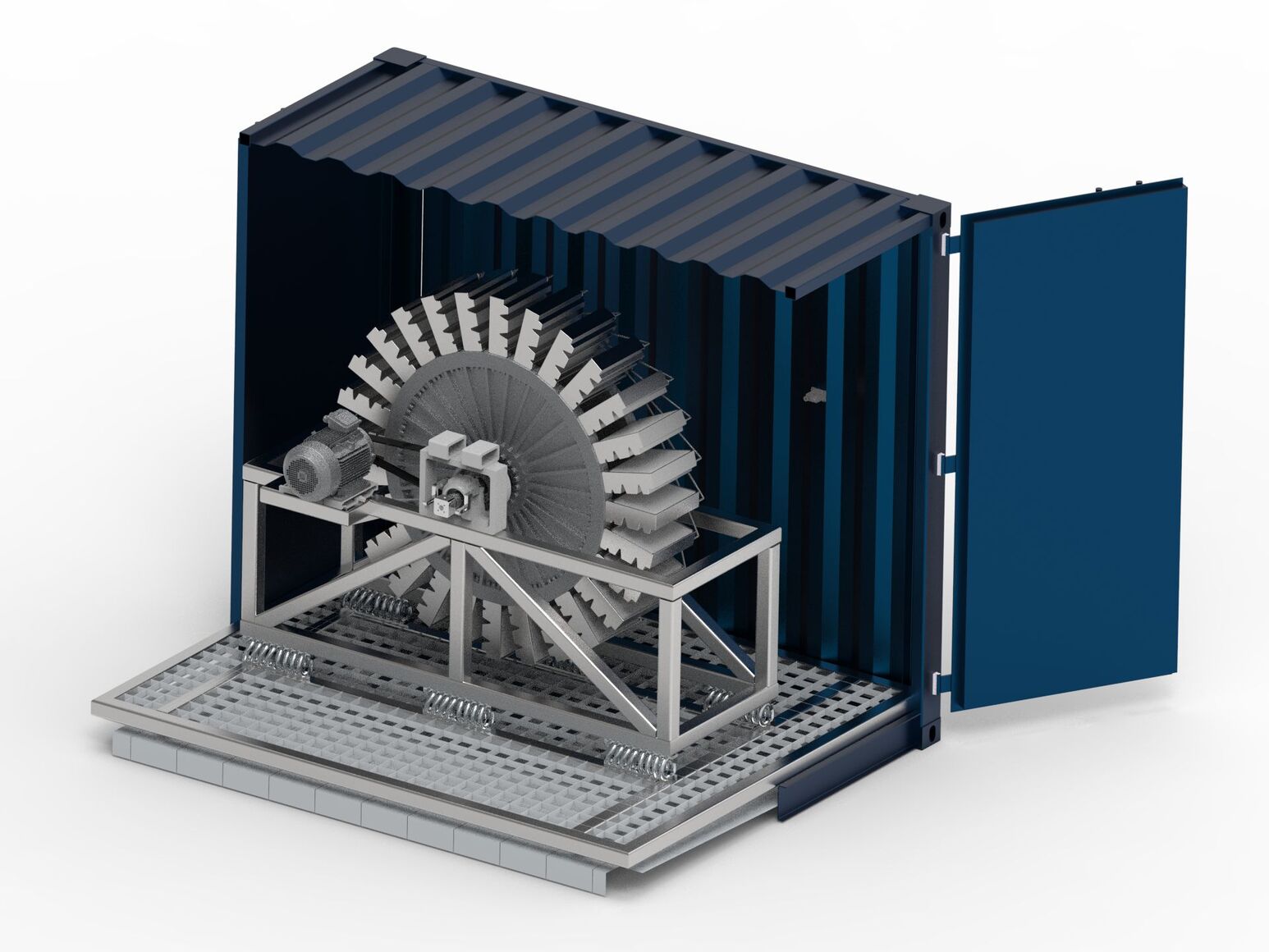
For many chromatographers, centrifugal partition chromatography feels strange at first. There is no silica bed. No C18 column. No packed resin. No solid stationary phase that you can point to and say: this is where the separation happens. Instead, CPC uses two immiscible liquid phases. One liquid phase is held inside the rotor as the stationary phase, while the other is pumped through as the mobile phase. The separation depends on how each compound distributes between the two liquids. That sounds simple, but for chromatographers trained on solid stationary phases, it can feel almost suspicious.