
midiLiLi: Gram-Scale Preparative CPC for Laboratory Purification
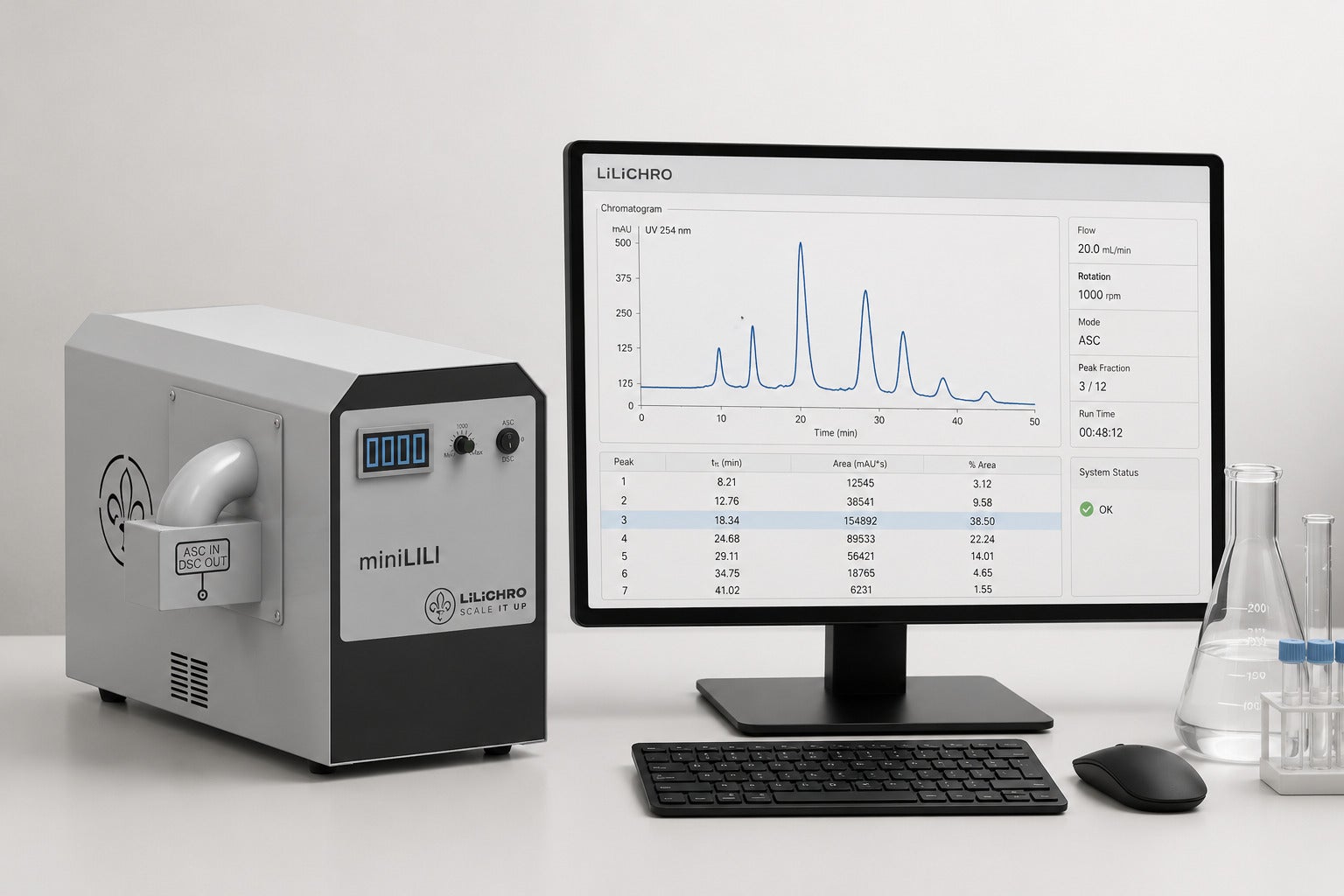
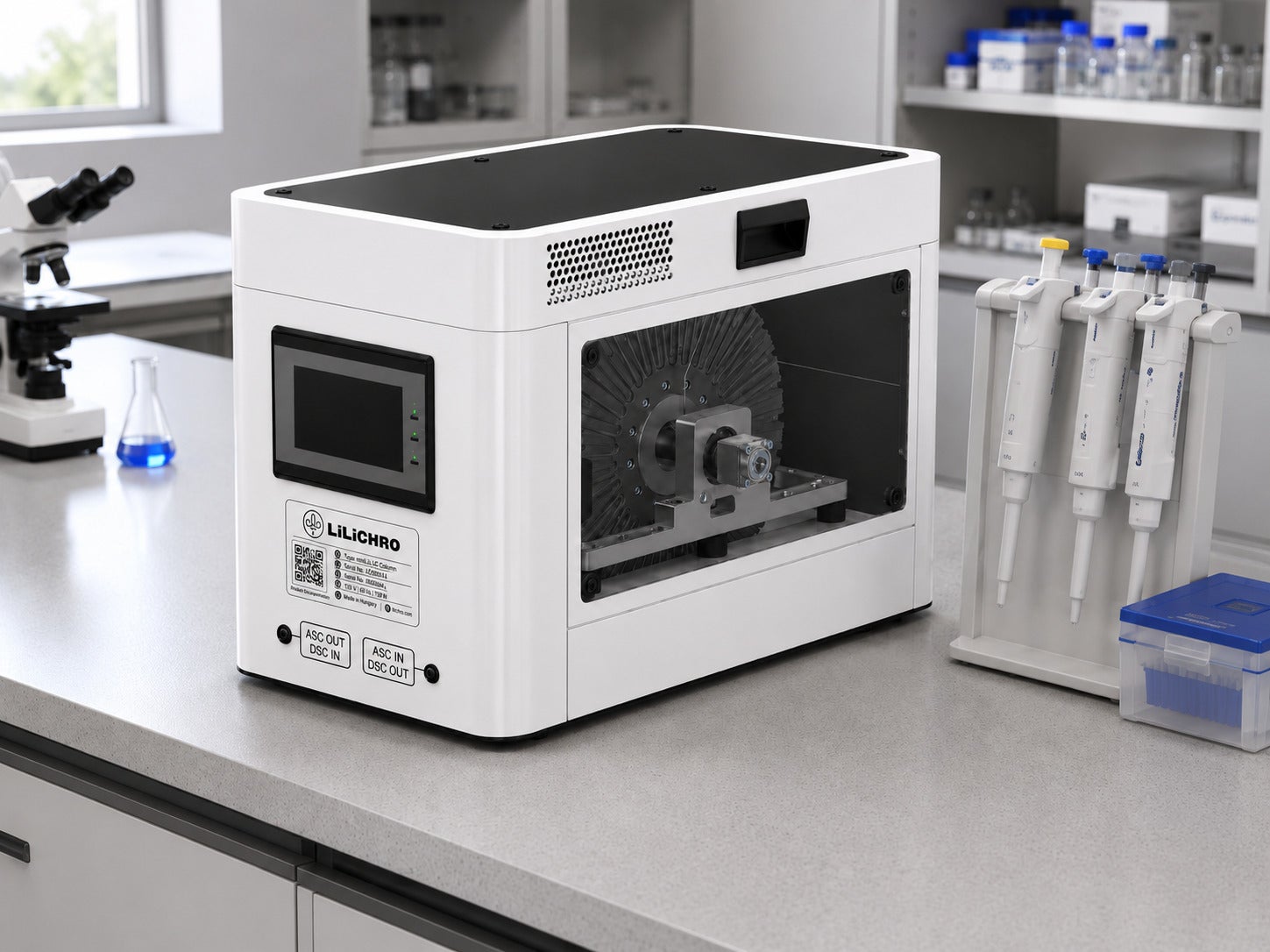
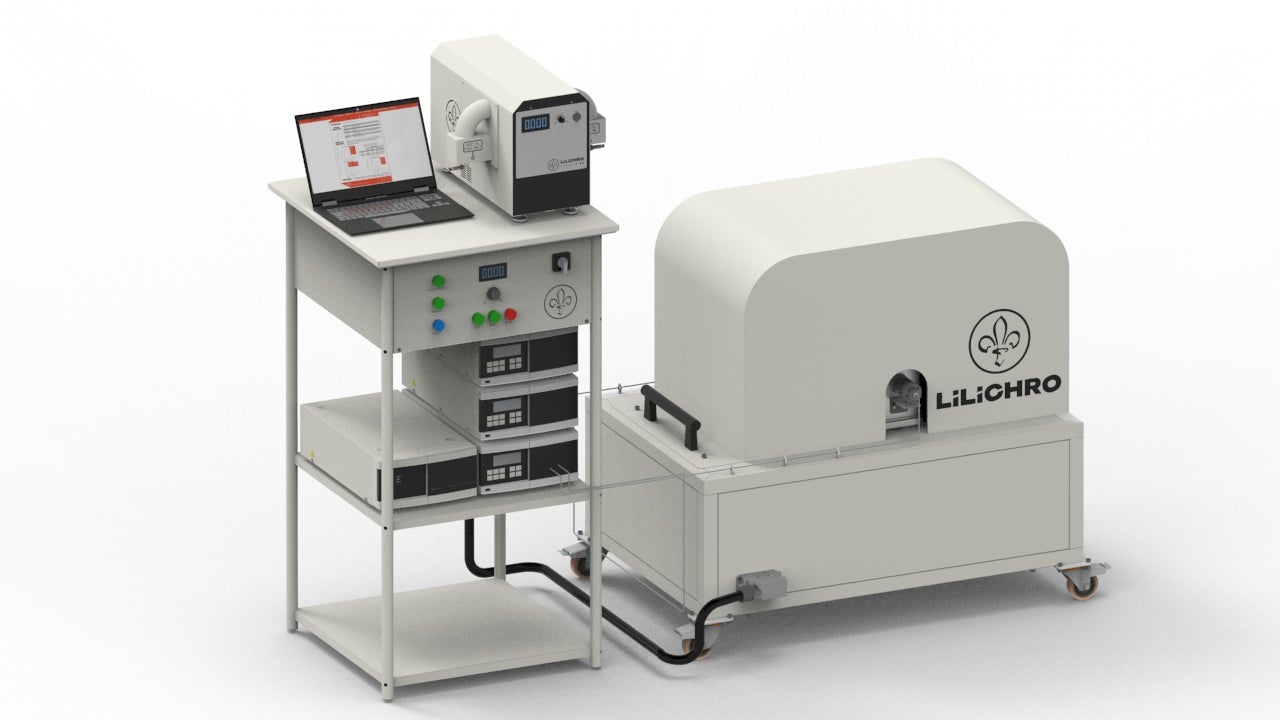
midiLiLi is LiLiChro’s compact centrifugal partition chromatography (CPC) instrument for gram-scale purification, standards preparation and preparative method development. Positioned between the miniLiLi method-development platform and LiLiChro’s larger production systems, it provides laboratories with a practical bridge from early feasibility testing to repeatable preparative purification.

Unlike conventional flash chromatography and preparative HPLC, CPC does not use silica or another packed solid stationary phase. Instead, two immiscible liquid phases are used: one is retained inside the rotating column by centrifugal force, while the other flows through it. Compounds are separated according to their different partition behaviour between the two phases.
Removing the solid stationary phase changes the practical purification workflow. It reduces the risk of irreversible adsorption, eliminates the need to purchase and replace packed columns, and can improve the recovery of valuable or sensitive compounds. The technology is especially relevant for crude, complex or column-fouling samples that are difficult or expensive to process using conventional solid-phase methods.
midiLiLi is designed for laboratories that require more purified material than a micro-preparative instrument can efficiently produce. It supports sample loads from 0.1g to 10g, solvent consumption between 120ml/h and 2,400ml/h, and flow rates from 2 to 40 ml/min. Stationary-phase retention is typically greater than 80%–90%, providing a stable basis for preparative liquid–liquid separations.
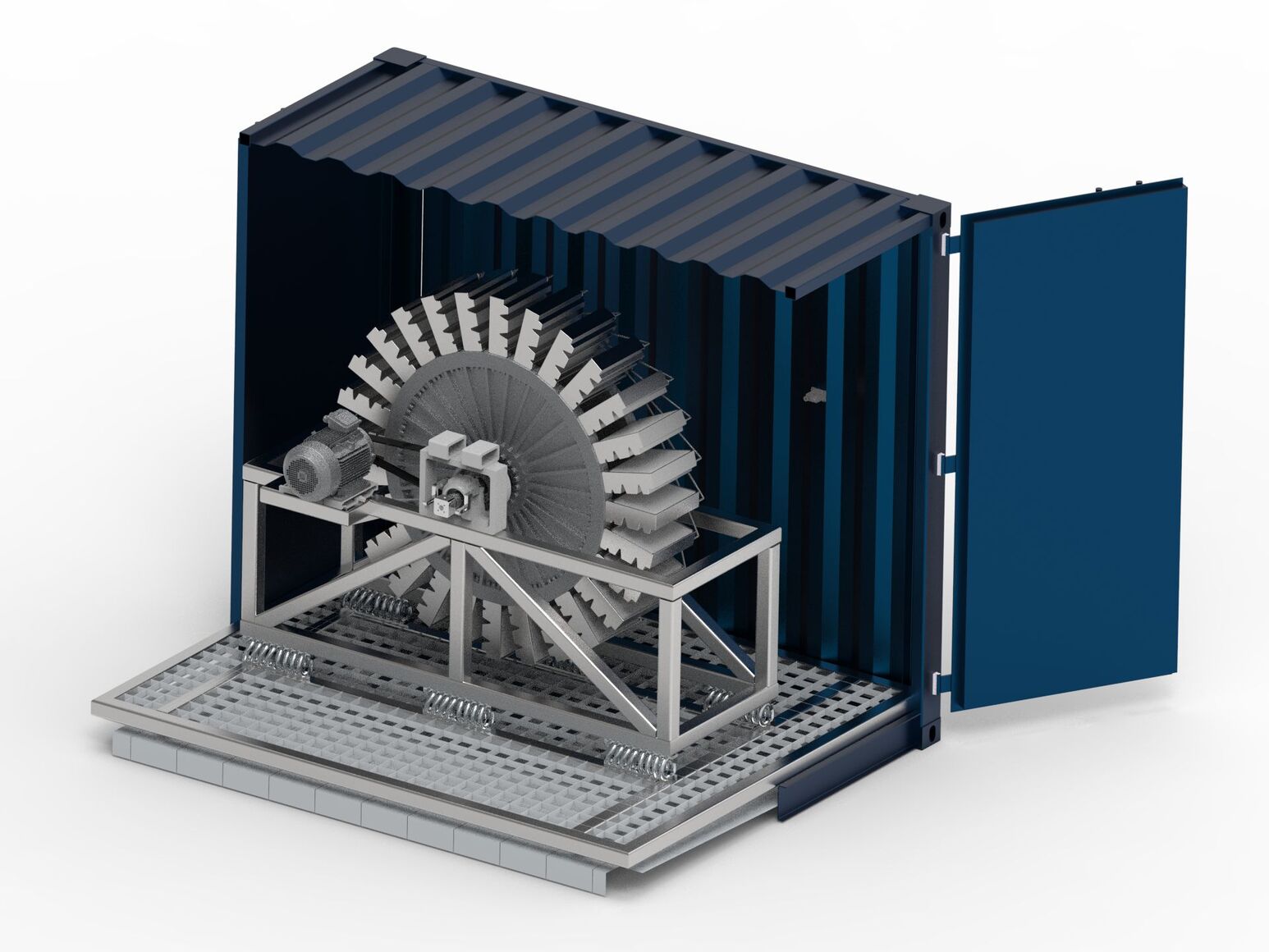
At the centre of the system is LiLiChro’s special Z-cell rotor design. The rotor provides a higher theoretical plate number and greater separation capacity than the miniLiLi helical rotor, making midiLiLi suitable for more demanding preparative applications. Researchers can use it to optimise solvent-system composition, flow rate, rotational speed, sample loading and fraction collection under conditions that are relevant to subsequent scale-up.
Typical applications include the preparation of analytical standards, isolation of reference compounds, purification of active pharmaceutical ingredients and intermediates, recovery of valuable natural products, impurity removal and production of gram-scale purified samples for further testing. The instrument can support pharmaceutical, biotechnology, natural-extract, cosmetic and fine-chemical laboratories.
midiLiLi is also a cost-effective alternative for teams that regularly consume flash cartridges, preparative columns or silica gel. Because the stationary phase is a reusable liquid rather than a disposable solid packing, CPC can reduce dependence on consumables while offering flexibility to adjust selectivity through solvent-system development.
Most importantly, midiLiLi forms part of LiLiChro’s scalable CPC platform. Separation methods developed on miniLiLi can be transferred to midiLiLi, while successful midiLiLi processes can be scaled further to maxiLiLi and prepLiLi. The same biphasic solvent system and partition principle can be maintained across instrument sizes, reducing the need to redesign the separation as throughput increases.
For laboratories ready to move beyond initial CPC feasibility, midiLiLi provides the capacity to produce meaningful quantities of purified material, verify process performance and build a reliable foundation for pilot or industrial implementation.