
Neuroscience Drug Discovery and Disease Modelling
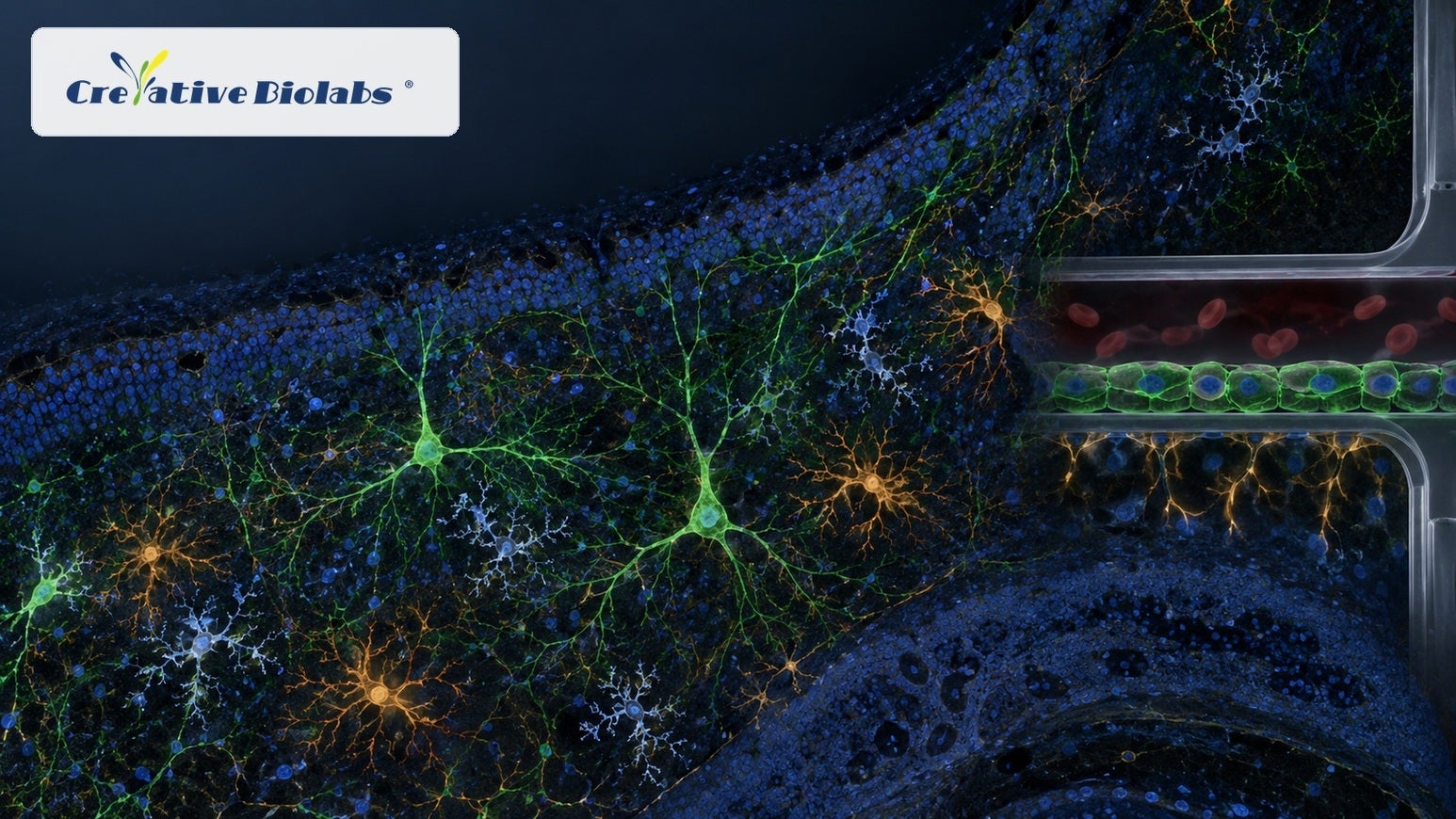
Neurological drug development often fails because early models do not reproduce the human biology that drives disease or measure outcomes that translate to later studies. A useful model must reflect the relevant cell population, genetic background and disease mechanism while remaining sufficiently reproducible for candidate comparison. Creative Biolabs develops neuroscience research programmes that connect human cell models, functional assays, blood–brain barrier studies and preclinical evaluation.

The platform supports research in neurodegenerative, neuroinflammatory, neurodevelopmental and other central or peripheral nervous system disorders.
Building a relevant disease model
Model selection begins with the biological question. For mechanistic studies, this may require a defined neuronal subtype or a co-culture that captures interactions between neurons and glial cells. For compound screening, reproducibility, assay sensitivity and compatibility with quantitative readouts may be equally important.
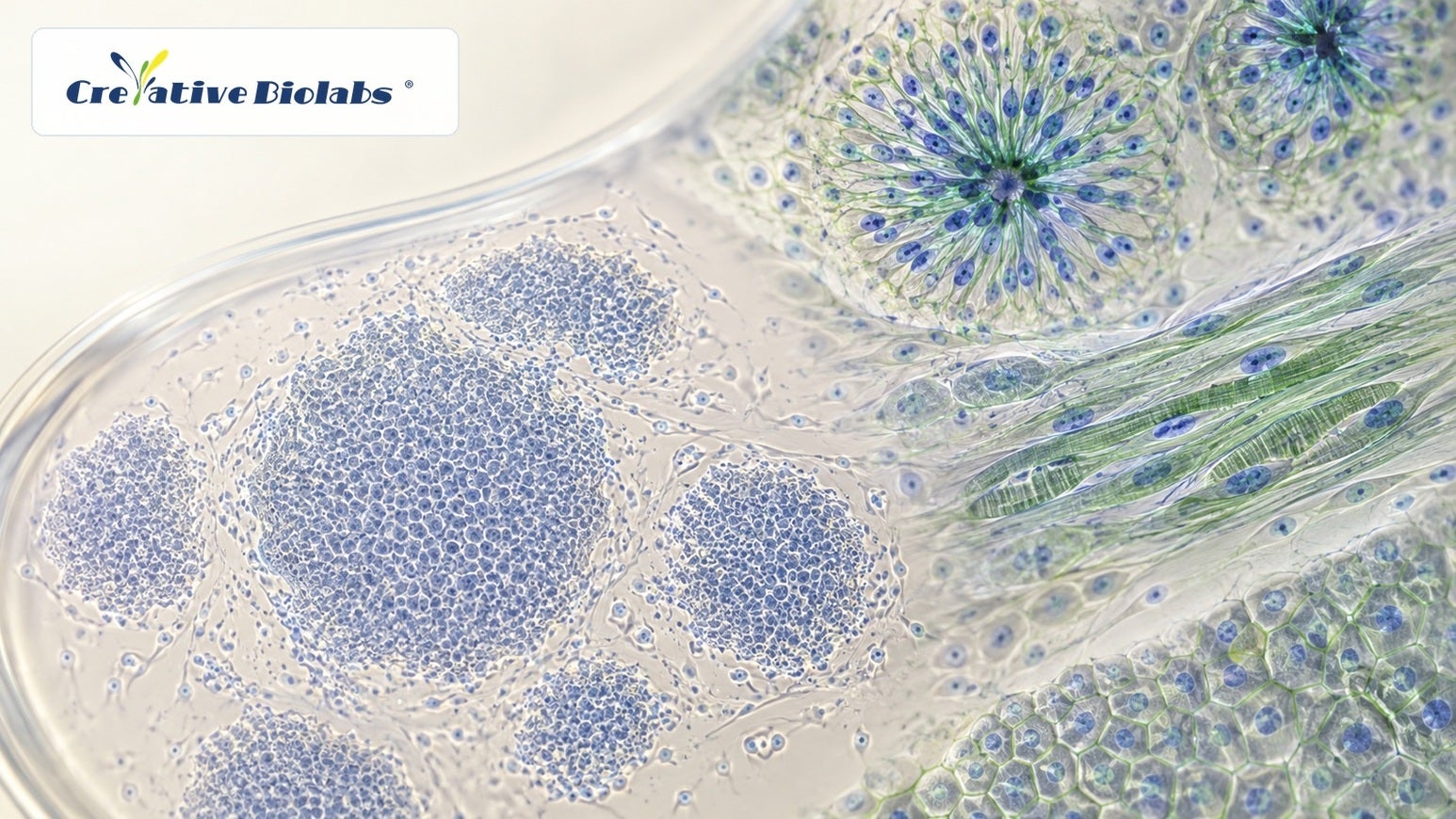
Creative Biolabs works with primary neural cells and induced pluripotent stem cell-derived neurons, astrocytes, microglia, oligodendrocytes and neural progenitor cells. Patient-derived iPSCs can retain disease-associated genetic backgrounds, while genome-edited isogenic pairs help separate the effect of a specific variant from unrelated donor-to-donor differences.
Models can be developed for conditions such as Alzheimer’s disease, Parkinson’s disease, amyotrophic lateral sclerosis, multiple sclerosis and selected neurodevelopmental disorders. Depending on the mechanism under investigation, relevant phenotypes may include protein aggregation, neuronal loss, altered neurite growth, synaptic dysfunction, mitochondrial impairment, oxidative stress or abnormal inflammatory signalling.
When cellular interactions or tissue organisation are central to the project, two-dimensional cultures can be extended to neural co-cultures, spheroids or brain organoids. The model format is selected according to the required biological complexity and experimental throughput.
Measuring neural function and drug response
A change in cell viability alone rarely provides enough information to judge a neurological candidate. Creative Biolabs therefore uses molecular, cellular and functional endpoints chosen for the disease mechanism and therapeutic hypothesis.
Studies may assess neuronal morphology, neurite length, synapse-related markers, intracellular protein accumulation, cytokine release and gene or protein expression. Electrophysiological methods, including multielectrode array recording and patch-clamp analysis where appropriate, can examine neuronal excitability, network activity and functional maturation.
Candidate compounds or biologics may be evaluated in concentration–response and time-course studies. Well-designed controls, replicate planning and predefined acceptance criteria are incorporated to support meaningful comparison between treatment groups.
Blood–brain barrier and CNS delivery
A promising molecule must also reach the intended site of action. Creative Biolabs develops blood–brain barrier models using relevant endothelial and supporting cell types to investigate permeability, barrier integrity and transport.
Measurements may include transendothelial electrical resistance, paracellular marker permeability, transporter expression and compound passage across the model. These studies can support the assessment of small molecules, antibodies, nanoparticles and other delivery systems, although in vitro permeability results must be interpreted alongside physicochemical properties and subsequent in vivo data.
From cellular evidence to preclinical studies
Validated cellular findings can inform pharmacology, biomarker and efficacy studies in disease-relevant models. Where appropriate, programs may examine exposure, target engagement, behavioural or functional outcomes, neuropathology and neuroinflammatory responses.
Rather than applying the same assay panel to every programme, Creative Biolabs builds each study around the disease mechanism, candidate modality and development decision it needs to support. This approach gives research teams a clearer basis for selecting compounds, refining hypotheses and planning the next stage of preclinical development.
Contact Creative Biolabs to discuss a neuroscience disease model or drug discovery study.