
NHP Biological Products for Translational Research
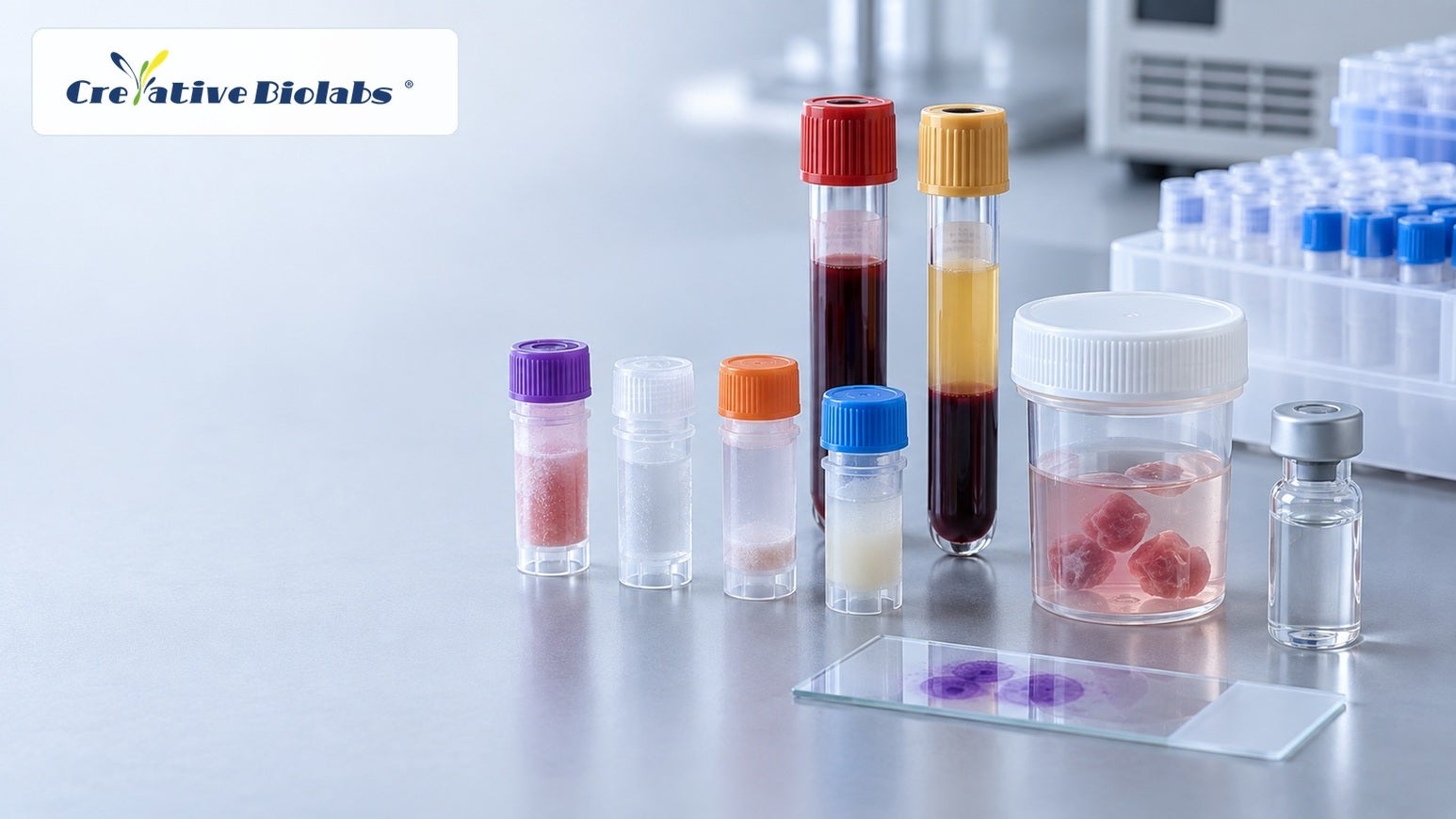
Non-human primate biological materials are used in research because of their physiological, immunological and genetic similarities to humans. They can provide relevant matrices for assay development, biomarker research, pharmacology and comparative biology when human samples are unavailable or when cross-species evaluation is required.

Creative Biolabs supplies non-human primate biological fluids, cells, tissues and lysates for pharmaceutical, biotechnology and academic research. Products can be selected by species, sample type and study application, with custom sourcing considered when standard inventory does not meet the experimental requirements.
Species and sample selection
Species selection should reflect the biological pathway, analytical method and subsequent study design. Available materials may be derived from cynomolgus monkeys, rhesus monkeys, African green monkeys and other non-human primate species.
Where available, sample information may include species, sex, age range, collection method, anticoagulant, processing conditions and storage format. These variables should be reviewed before purchase because they can influence cellular performance, analyte stability and assay results.
For longitudinal or comparative work, researchers may also need to consider whether samples come from individual donors or pooled material and whether matched matrices are required.
Biological fluids and cellular materials
The portfolio includes serum, plasma, whole blood and specialised biological fluids such as cerebrospinal fluid, urine, saliva, aqueous humour and synovial fluid. These matrices can support bioanalytical method development, biomarker measurement, pharmacokinetic assay development and studies of tissue- or disease-relevant analytes.
Cellular products may include peripheral blood mononuclear cells, selected immune cell populations and other primary cells. Depending on the material, cells may be supplied fresh or cryopreserved. Relevant specifications can include cell count, viability, isolation method and cryopreservation conditions.
Researchers planning functional assays should define the required cell type, donor characteristics and acceptance criteria in advance. A sample suitable for nucleic acid or protein extraction may not necessarily meet the requirements of a live-cell assay.
Tissues, sections and lysates
Fresh-frozen tissues, fixed tissues, tissue sections and tissue or cell lysates can support histology, immunohistochemistry, molecular analysis, proteomics and assay validation. Material may be available from a range of organs and anatomical sites.
The appropriate preparation depends on the downstream method. Frozen tissue may be preferred for selected molecular analyses, whereas fixed tissue and prepared sections are more suitable for morphological and immunohistochemical studies. Lysates provide a convenient source of proteins or nucleic acids but do not preserve tissue architecture or cellular context.
Quality and documentation
Quality requirements vary by product. Applicable documentation may include sample identity, processing records, storage conditions, concentration, cell viability or results from selected screening tests. Researchers should confirm the available specifications and testing status for each lot before incorporating a material into a regulated or longitudinal workflow.
Custom requests can address species, matrix, volume, processing method, preservation format and shipping conditions. Availability depends on the requested material and collection criteria.
By matching sample attributes to the analytical or biological question, Creative Biolabs helps research teams obtain appropriate NHP materials without treating biological samples as interchangeable commodities.
All products are supplied for research use only and are not intended for human or veterinary diagnostic or therapeutic use.
Contact Creative Biolabs to discuss NHP biological product availability or a custom sample request.