
Creative Biolabs Connects AI Antibody Discovery with Protein Dynamics
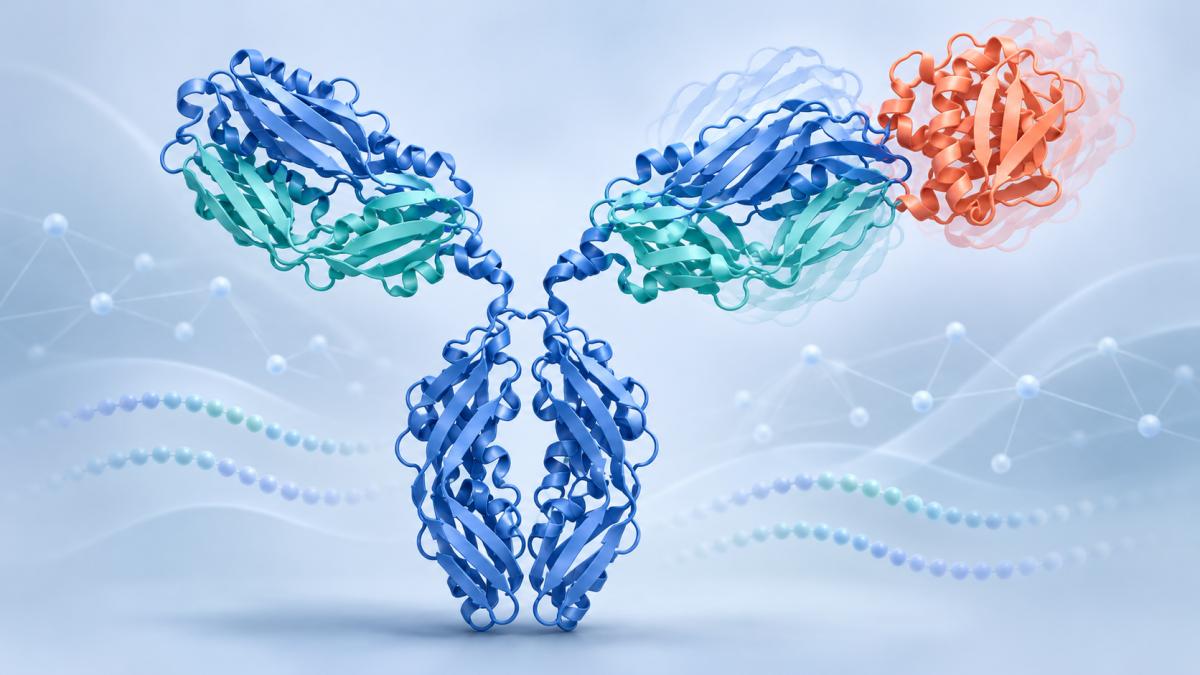
Creative Biolabs connects AI antibody discovery with protein dynamics
Finding an antibody with an attractive predicted binding score is only the start of discovery. Biopharmaceutical teams must establish whether a candidate can be produced, binds selectively and produces the intended biological effect. The practical challenge is deciding which predictions deserve experimental investment—and where uncertainty warrants closer analysis.
Creative Biolabs connects AI-driven de novo antibody sequence generation with optional protein motion simulation and project-defined experimental assessment. The aim is to prioritize testable hypotheses, not to treat computational predictions as validated antibody performance.
Defining inputs for De Novo antibody design
What should a discovery team provide first? A useful design brief specifies the antigen sequence and construct, desired antibody format, intended epitope or mechanism where known, species cross-reactivity requirements, and planned assays. Available structural information and constraints on stability, solubility or expression can help focus candidate generation; gaps in these inputs should be recorded as uncertainties.
Through its AI-driven de novo antibody sequence generation service, Creative Biolabs uses computational design, modelling, and virtual screening to generate and prioritize candidate sequences. Depending on the agreed scope, outputs can distinguish the proposed sequence shortlist, ranking rationale, predicted liabilities, and unanswered questions. This helps teams decide which candidates merit synthesis, expression, and initial binding tests.
High-throughput validation, functional characterisation, optimisation, structural analysis and epitope mapping are potential project modules, not activities assumed to be included in every engagement.
Using protein dynamics to investigate antibody–target interactions
When does motion analysis add value? It may help when a static model leaves a decision-critical question—for instance, whether a conformationally dependent epitope stays accessible or whether an apparent interface is structurally plausible across sampled conformations. It need not be applied to every generated sequence.
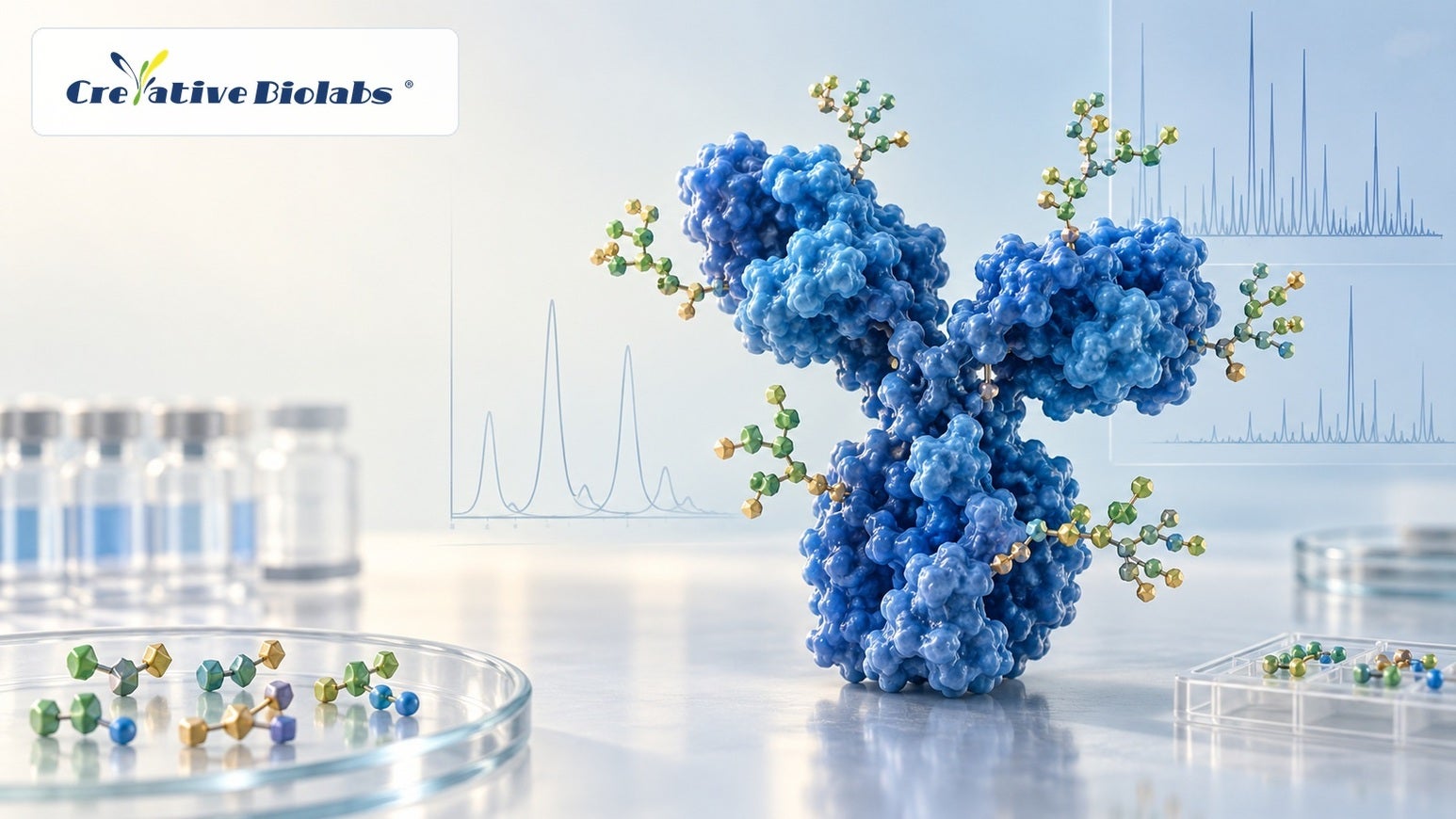
Creative Biolabs’ AI-driven protein motion simulation service incorporates system preparation, machine-learning force fields, protein fragmentation approaches, conformational sampling, and interaction analysis. These methods can examine changes in molecular geometry and contacts; fragmentation strategies may help make selected calculations more tractable. Conclusions remain sensitive to input-structure quality, model assumptions, and the extent of sampling. Simulation is not a direct measurement of affinity, specificity, or functional activity.
A question-led report can highlight conformations or interaction hypotheses worth testing and state the analysis limits. Its decision value is whether to prioritize a binding pose, request additional structural or biochemical evidence, or refine a proposed sequence.
Experimentally evaluating AI-designed antibodies
Independent research illustrates the need for this design–test connection. Bennett and colleagues combined RF-diffusion-based antibody design with yeast-display screening, then used structural experiments to assess selected antibody–antigen complexes. Their Nature study, published online in November 2025, also described a case where the observed binding mode differed from the designed model. These are the authors’ research findings, not Creative Biolabs project results.
A computationally highly ranked sequence remains a design hypothesis. Assessment should distinguish three evidence levels: expression and sample quality; binding and specificity against appropriate controls; and mechanism-relevant functional activity. Depending on agreed assays, the resulting data can support an advance, redesign, or deprioritization decision. Binding confirmation alone should not be labelled proof of specificity, function, or developability.
Planning an AI antibody discovery project
A practical workplan links each step to a decision: candidate ranking selects sequences for testing; targeted dynamic analysis examines unresolved structural questions; and experimental results determine which candidates can progress or require revision. The relevant modules and acceptance criteria should be defined against the target, timeline, and budget rather than applied as a fixed package.
To discuss project feasibility, design constraints, candidate-selection criteria, and validation scope, researchers can share target or antigen information, available sequence or structural data, desired antibody properties, and intended assay endpoints with Creative Biolabs. Visit either linked service page to request a project consultation and outline the evidence needed for the next development decision.
Creative Biolabs’ services are for research use only.