
Advanced 3D Biology Models for Drug Discovery
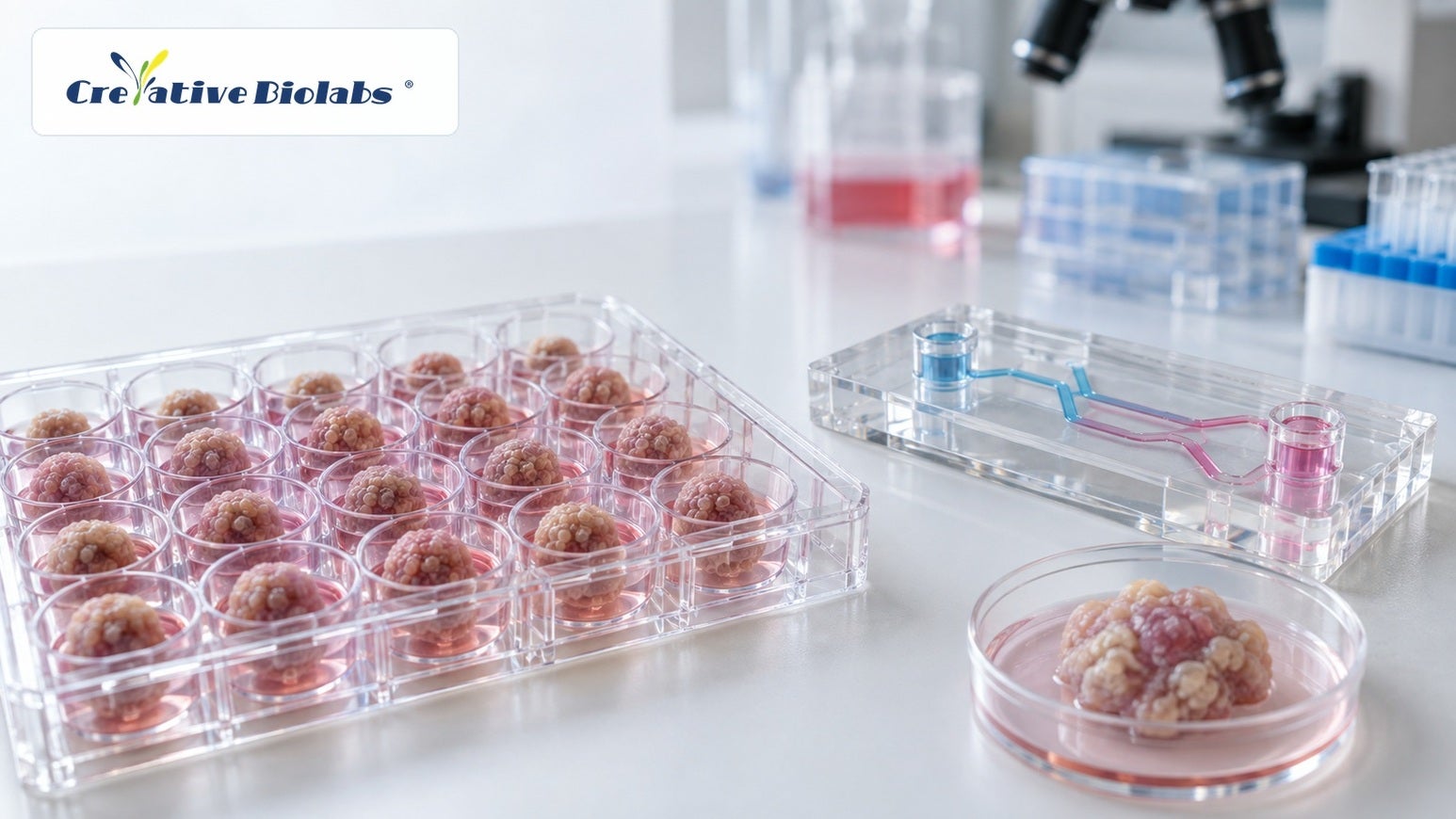
Conventional monolayer cultures remain useful for many assays, but they cannot fully reproduce the spatial organisation, cellular diversity and local microenvironment of living tissues. Three-dimensional models provide an intermediate level of biological complexity between standard cell culture and in vivo studies, helping researchers investigate drug responses in a more tissue-relevant setting.

Creative Biolabs develops customised spheroid, organoid and organ-on-chip models for drug discovery, disease research and preclinical testing. Model selection is based on the biological question, required throughput, cell source and endpoints needed to guide the development program.
Selecting the appropriate 3D model
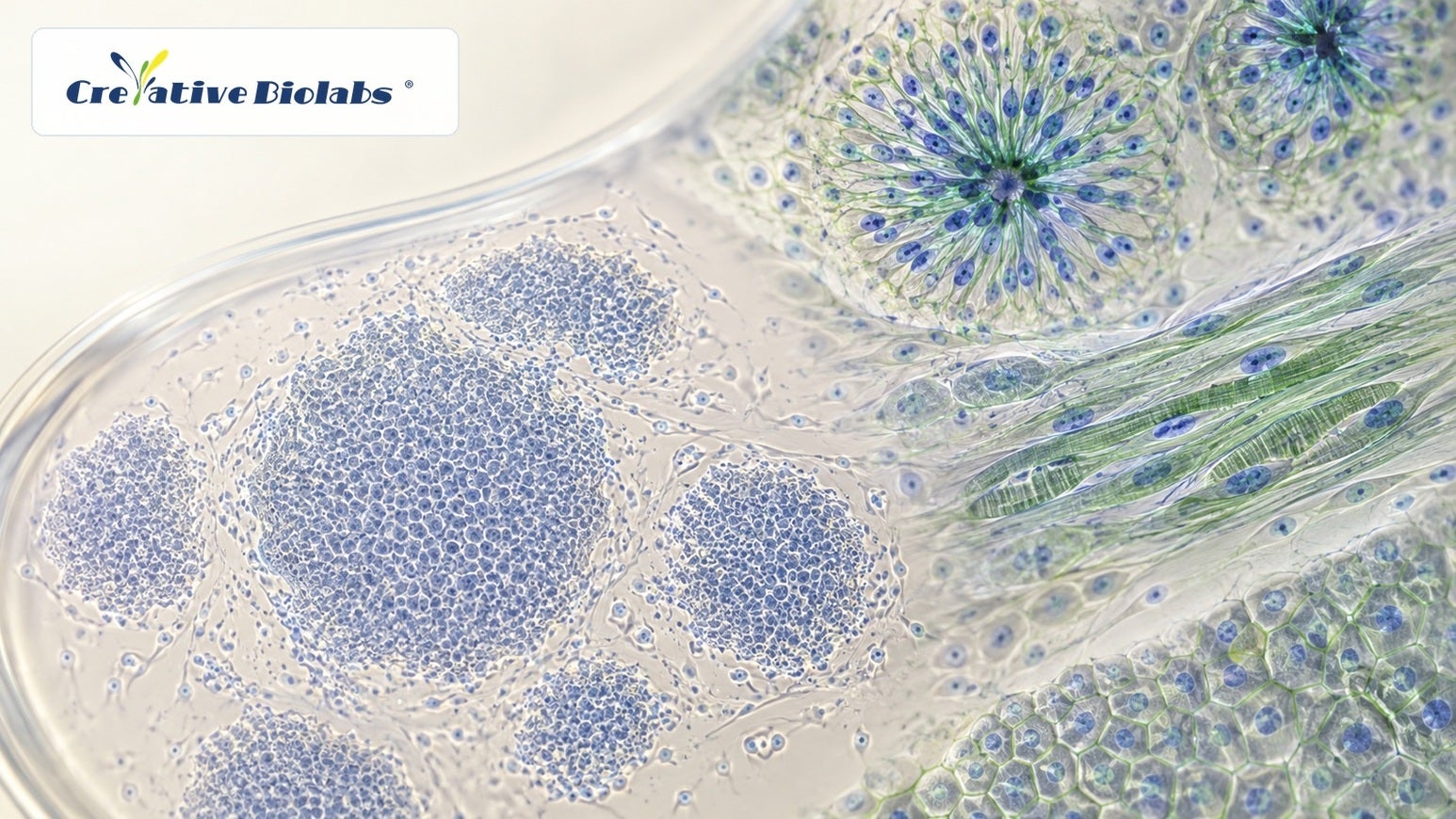
Different 3D systems answer different experimental questions. Multicellular spheroids are relatively reproducible and can be adapted to compound screening, penetration studies and cell–cell interaction assays. They are particularly useful when gradients of oxygen, nutrients or drug exposure are relevant to the biology.
Organoids are generated from stem cells, progenitor cells or tissue-derived cells and can reproduce selected structural and functional features of an organ. Patient-derived organoids may also retain aspects of donor-specific genetics and disease phenotype, making them useful for disease modelling and comparative drug-response studies.
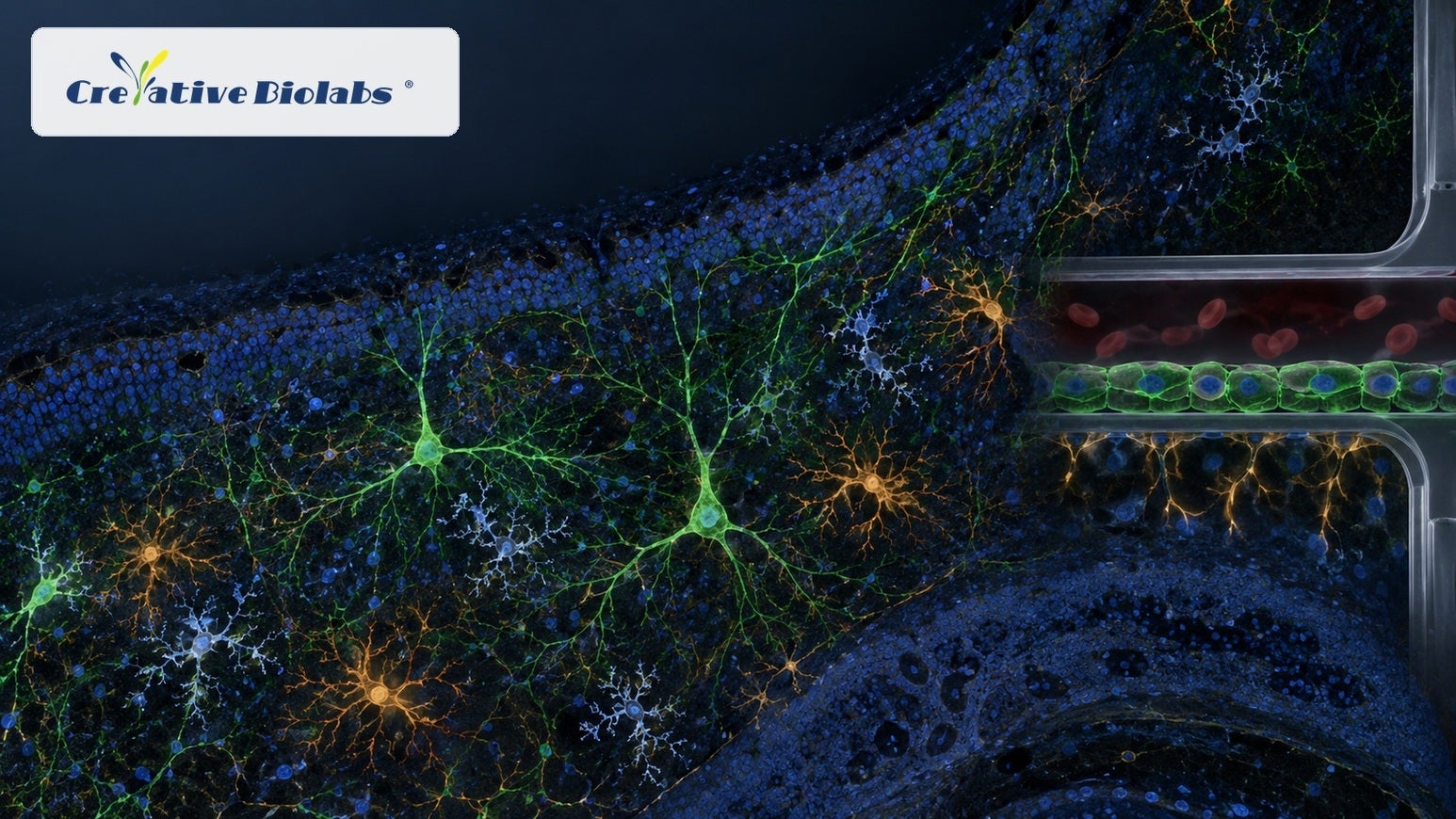
Organ-on-chip systems introduce controlled fluid flow, mechanical cues or tissue–tissue interfaces. These features can support studies of barrier function, vascular interactions, transport and dynamic exposure conditions that are difficult to model in static cultures.
A more complex model is not automatically the better model. The final design must balance physiological relevance with reproducibility, scalability and the ability to generate interpretable data.
Model development and validation
Creative Biolabs develops models using established cell lines, primary cells, patient-derived material and induced pluripotent stem cell-derived cells. Depending on the project, models may incorporate epithelial, stromal, endothelial or immune components to represent key interactions within the target tissue.
Development work can include cell-source selection, matrix evaluation, culture-condition optimisation, co-culture design and determination of an appropriate maturation period. Tumour, liver, airway, intestinal, brain, renal and other tissue models can be adapted to specific disease mechanisms or study objectives.
Before experimental use, models are evaluated against predefined criteria. These may include morphology, size distribution, viability, cellular composition, marker expression and tissue-specific function. Functional qualification is particularly important because visual similarity alone does not establish biological relevance.
Drug efficacy and mechanistic studies
Three-dimensional models can be used to compare candidate compounds, biologics and combination strategies. Study endpoints may include cell viability, growth inhibition, apoptosis, proliferation, tissue penetration, barrier integrity, inflammatory signalling, or changes in disease-associated biomarkers.
Tumour models can incorporate stromal or immune cells to examine treatment response within a more representative microenvironment. Other tissue models may be used to study fibrosis, infection, metabolic dysfunction, neurodegeneration or tissue injury.
High-content imaging, histology, immunostaining, gene expression and secreted biomarker analysis can provide complementary views of the treatment response.
Safety and toxicity applications
Organ-specific 3D models can help identify cellular injury and functional impairment that may not be apparent in simpler assays. Depending on the tissue, studies may assess hepatotoxicity, neurotoxicity, epithelial barrier disruption, inflammatory responses or other relevant effects.
Results from 3D models are interpreted within the limitations of the system and alongside conventional in vitro or in vivo data when appropriate. By matching model complexity to the development question, Creative Biolabs helps research teams obtain useful evidence without adding unnecessary experimental complexity.
Contact Creative Biolabs to discuss a customised 3D biology model or drug evaluation study.